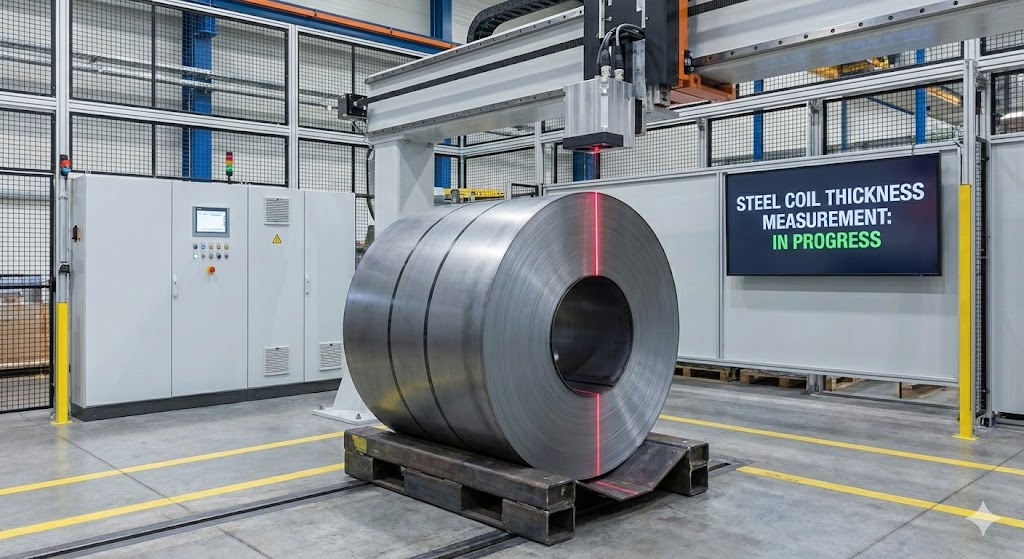
In the rapidly evolving landscape of industrial automation and precision measurement, Israel has emerged as a global leader in laser sensor technology. Renowned for its cutting-edge research and development, the country's tech sector has produced a range of innovative laser sensors that are transforming industries worldwide. These sensors leverage advanced photonics, robust algorithms, and compact designs to deliver unparalleled accuracy, reliability, and efficiency.
Israeli laser sensors are primarily based on principles such as time-of-flight (ToF), triangulation, and interferometry. ToF sensors, for instance, measure distance by calculating the time it takes for a laser pulse to reflect off a target. This technology is widely used in autonomous vehicles, robotics, and logistics for obstacle detection and navigation. Triangulation-based sensors, on the other hand, use geometric methods to determine position and are ideal for high-precision applications like 3D scanning and quality control in manufacturing. Interferometric sensors offer nanometer-level resolution, making them essential in semiconductor fabrication and scientific research.
One of the key strengths of Israeli laser sensors lies in their integration with artificial intelligence (AI) and machine learning (ML). Companies in Israel have developed smart sensors that can analyze data in real-time, adapt to environmental changes, and predict maintenance needs. For example, in agricultural automation, laser sensors monitor crop health and optimize irrigation by detecting subtle changes in plant structure. In security and defense, they enable precise target identification and surveillance in challenging conditions.
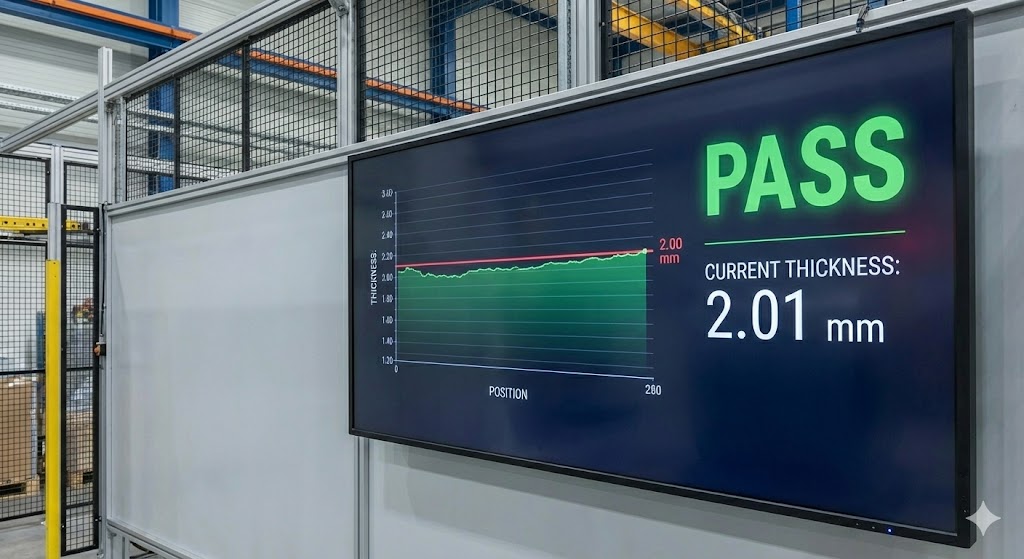
The industrial applications of these sensors are vast. In manufacturing, they ensure quality assurance by detecting defects in products on assembly lines. In healthcare, laser sensors are used in medical imaging devices and surgical tools to enhance precision. Additionally, the energy sector employs them for monitoring infrastructure like pipelines and wind turbines, preventing failures through early detection of anomalies.
Israel's ecosystem of startups, academic institutions, and government support has fueled this innovation. Organizations such as the Technion – Israel Institute of Technology and the Weizmann Institute of Science conduct pioneering research in photonics, while companies like Lumentum and Ophir Optronics commercialize these advancements. The focus on miniaturization and cost-effectiveness has also made Israeli laser sensors accessible to small and medium-sized enterprises, driving adoption across diverse sectors.
Despite their advantages, challenges remain, including sensitivity to external factors like dust and temperature fluctuations. However, ongoing R&D efforts are addressing these issues through enhanced materials and calibration techniques. Looking ahead, trends such as the Internet of Things (IoT) and 5G connectivity are expected to further expand the capabilities of laser sensors, enabling smarter, interconnected systems.
In conclusion, Israel's contributions to laser sensor technology highlight a commitment to innovation that meets the demands of modern industry. By combining technical expertise with practical applications, these sensors are set to play a crucial role in shaping the future of automation, safety, and efficiency globally.