In the world of industrial automation and machine design, selecting the right proximity sensor is a critical decision that impacts reliability, efficiency, and cost. As an electrical engineer with years of field experience, I've witnessed firsthand how the "best" sensor is never a one-size-fits-all answer. It is entirely dependent on the specific application, environmental conditions, and performance requirements. This guide will dissect the major types of proximity sensors, their operating principles, and key selection criteria to help you make an informed choice.
The fundamental principle behind non-contact proximity sensing involves generating an electromagnetic field or beam and detecting changes caused by a target object. The three most prevalent technologies are Inductive, Capacitive, and Ultrasonic sensors, each with distinct strengths.
Inductive Proximity Sensors are the workhorses of metal detection. They generate an oscillating electromagnetic field. When a metallic target enters this field, it induces eddy currents, causing a change in the oscillation amplitude, which is detected by the sensor's circuitry. Their key advantages are high switching frequency, exceptional durability (often in rugged, IP67-rated housings), and immunity to non-metallic contaminants like dust, oil, or coolant. They are ideal for detecting metal parts on conveyor lines, counting metallic objects, or serving as end-position switches in cylinders. However, they are blind to non-metallic materials like plastic, wood, or liquids.
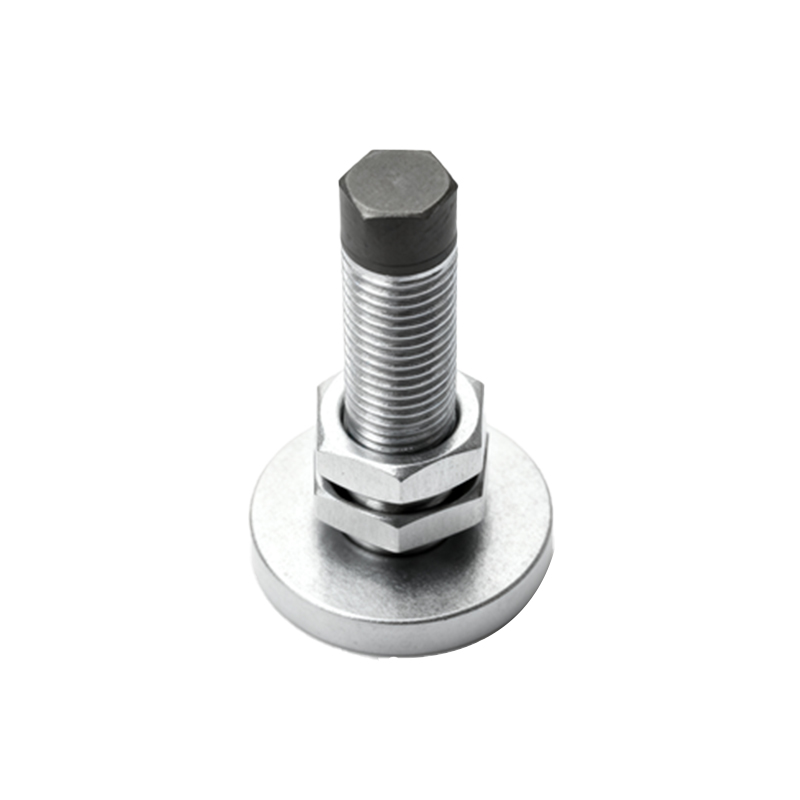
Capacitive Proximity Sensors can detect both metallic and non-metallic materials, including liquids, powders, glass, and plastics. They function by generating an electrostatic field. Any object with a dielectric constant different from air will change the capacitance of the sensing field, triggering the switch. This makes them versatile for applications like level detection in plastic or glass containers, monitoring granulate in hoppers, or detecting filled vs. empty packages on a line. A notable consideration is their sensitivity to environmental factors like humidity or material buildup on the face, which can cause false triggering if not properly accounted for in setup and mounting.
Ultrasonic Proximity Sensors operate on a time-of-flight principle. They emit high-frequency sound waves and measure the time for the echo to return. This allows them to detect objects regardless of color, transparency, or material composition. They excel at longer-range detection (from a few centimeters to several meters) and can provide analog distance information, not just a simple on/off switch. Common uses include bulk level sensing in silos, collision avoidance on AGVs (Automated Guided Vehicles), and detecting transparent objects like glass bottles that confound optical sensors. Drawbacks include potential interference from air turbulence, temperature gradients, and highly absorbent surfaces.
Beyond core technology, several critical parameters dictate performance and suitability:
1. Sensing Range: The nominal operating distance. Always derate this value for reliable operation, considering manufacturing tolerances and environmental conditions.
2. Output Type: Discrete (PNP/NPN) or Analog (4-20mA, 0-10V). Discrete is for simple presence detection; analog provides continuous distance data.
3. Response Time/Frequency: How quickly the sensor can detect an object and change its output state. Crucial for high-speed counting or sorting applications.
4. Environmental Rating: Look for IP (Ingress Protection) and NEMA ratings to ensure the sensor can withstand dust, water washdown, oils, and chemicals in your plant.
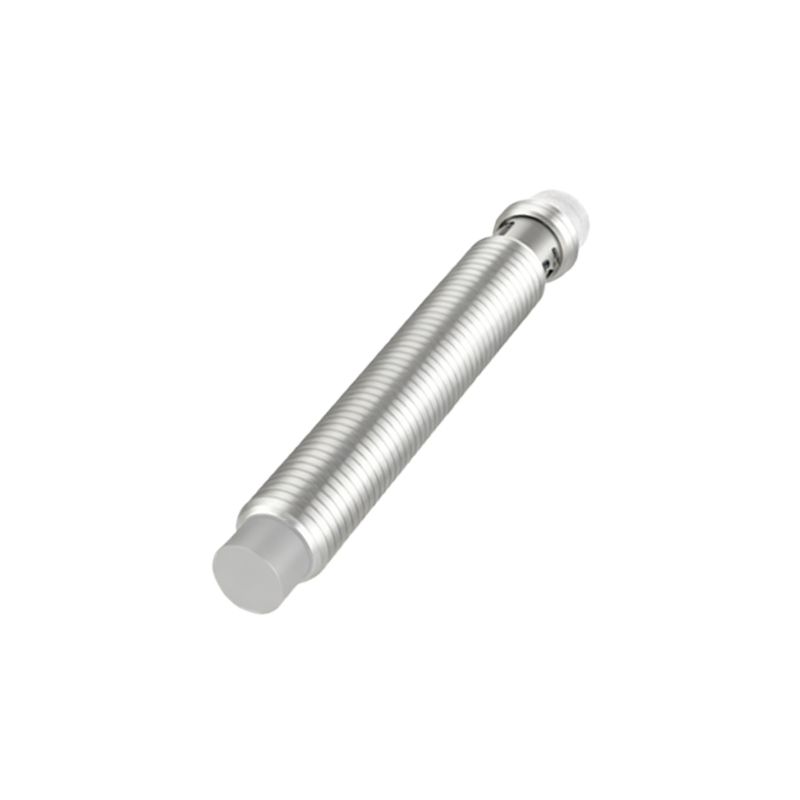
5. Mounting and Form Factor: Cylindrical (threaded barrel) or rectangular block styles. Consider flush-mount vs. non-flush-mount inductive sensors for installation in metal.
So, which one is "best"?
For detecting ferrous or non-ferrous metals in harsh industrial environments, an inductive sensor is typically the most robust and cost-effective choice.
For detecting non-metallic materials, liquids, or levels through a container wall, a capacitive sensor is the necessary tool.
For longer-range detection, transparent object detection, or precise distance measurement, an ultrasonic sensor offers unique capabilities.
Always consult the sensor's detailed datasheet. Reputable manufacturers like Siemens, Omron, Pepperl+Fuchs, and Balluff provide extensive technical resources. Prototyping and testing in the actual application environment is the final, indispensable step. The right sensor, correctly specified and installed, becomes an invisible, reliable component—the hallmark of good engineering.