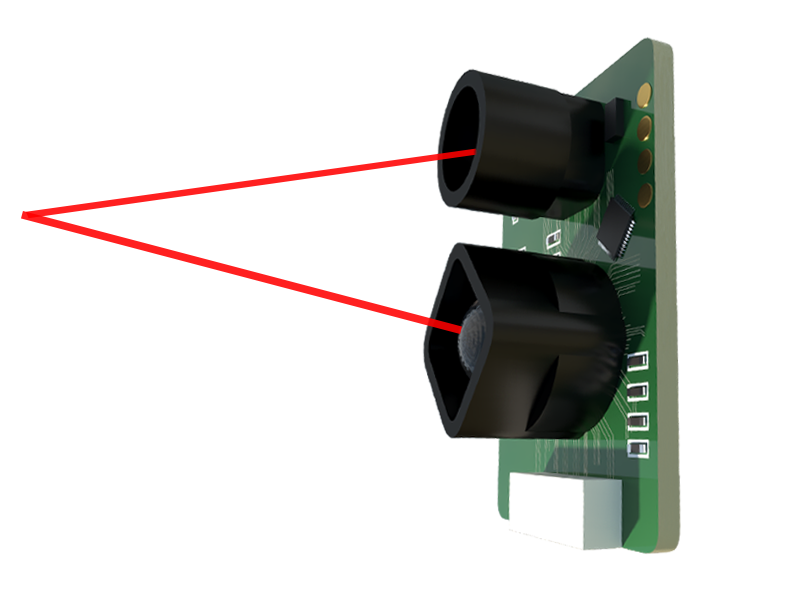
In modern industrial environments, precise distance measurement under extreme thermal conditions is a critical challenge. High-temperature laser distance sensors have emerged as a transformative solution, enabling accurate, non-contact measurements in settings where conventional sensors fail. These advanced devices utilize laser triangulation or time-of-flight principles to gauge distances with micron-level precision, even when exposed to ambient temperatures exceeding 1000°C or targeting surfaces glowing with intense heat.
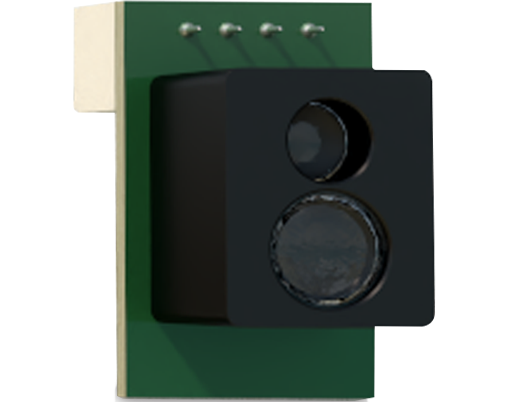
The core technology hinges on robust optical components and specialized materials. Sapphire or quartz protective windows shield the internal optics from thermal radiation and particulate contamination, while actively cooled housings—often employing air or water cooling systems—maintain the sensor's internal electronics within safe operating limits. The laser source itself is typically a Class 2 visible red laser or an infrared laser, chosen for its stability and ability to penetrate hot, turbulent atmospheres common in foundries, glass manufacturing, or metal processing plants.
A key advantage of laser-based sensors in high-temperature scenarios is their non-contact nature. Unlike tactile probes, they avoid physical degradation and do not interfere with the measured object's thermal profile. This is particularly vital in continuous processes like steel rolling or ceramic sintering, where real-time monitoring of material expansion, warp, or thickness ensures product quality and prevents costly downtime. Advanced models integrate algorithms to compensate for thermal lensing effects—where heat gradients bend light paths—and filter out background infrared noise from hot surroundings.
Industrial applications are diverse. In power generation, these sensors monitor turbine blade clearance during operation, optimizing efficiency and safety. In automotive manufacturing, they control robotic welding arms near red-hot components. The glass industry relies on them to measure molten glass levels in forehearths, while aerospace facilities use them to inspect engine parts post-heat treatment. Integration with Industry 4.0 systems is seamless, with sensors outputting digital data via IO-Link, Ethernet/IP, or Profinet for predictive maintenance and process automation.
However, deployment requires careful consideration. Factors like emissivity changes in heated materials, atmospheric shimmer from heat haze, and potential laser absorption by flames or fumes must be addressed through sensor calibration and protective accessories. Regular maintenance of cooling filters and window cleanliness is essential to sustain accuracy.
Looking ahead, innovations in fiber-optic laser delivery and short-wave infrared (SWIR) technology promise even higher temperature thresholds and improved signal-to-noise ratios. As industries push toward smarter, hotter, and more efficient processes, high-temperature laser distance sensors will remain indispensable tools, bridging the gap between extreme environments and precise metrology. Their ability to deliver reliable data where few instruments can survive not only enhances operational control but also paves the way for advancements in material science and energy-intensive manufacturing.