In the realm of industrial automation, environmental monitoring, and air quality control, the selection of the appropriate sensing technology is paramount. Two prominent technologies often considered for particulate matter (PM) detection are micro dust sensors and laser-based sensors. While both serve the fundamental purpose of detecting airborne particles, their operational principles, performance characteristics, and ideal applications differ significantly. This article provides a detailed, technical comparison to guide engineers and system integrators in making an informed choice.
Fundamental Operating Principles
The core distinction lies in their detection methodology. Traditional micro dust sensors, often based on light scattering or piezoelectric principles, operate in a more indirect manner. A common design involves an infrared LED light source. Air is drawn through a sensing chamber where particles pass through the infrared beam. The scattered light is detected by a photodiode positioned at an angle (typically 90 degrees). The intensity of the scattered light pulse is roughly proportional to the particle's size and concentration. These sensors often provide a generalized output, such as a voltage or PWM signal correlating to mass concentration (e.g., µg/m³), but with limited resolution on particle size distribution.
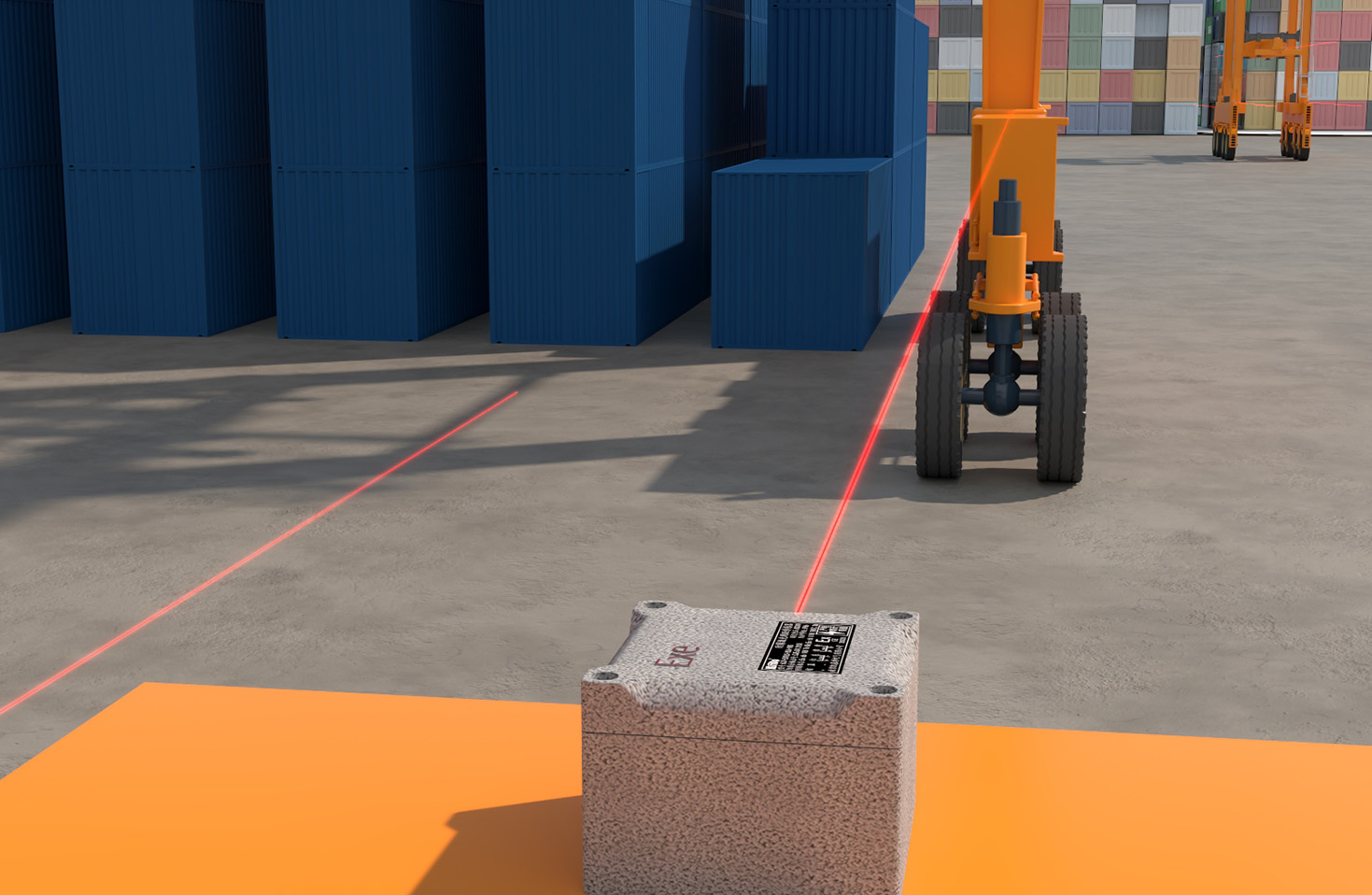
In contrast, laser sensors utilize a focused laser diode as the light source. The laser beam is precisely collimated, creating a well-defined detection zone. As particles traverse this zone, they scatter laser light, which is collected by a highly sensitive photodetector, often through sophisticated optical lenses. The key advancement in many modern laser sensors is the incorporation of laser diffraction or dynamic light scattering analysis. By analyzing the scattering pattern or the signal pulse height from individual particles, these sensors can not only count particles but also accurately classify them into specific size bins (e.g., PM1.0, PM2.5, PM10). This yields a detailed particle size distribution alongside mass concentration data.
Performance Comparison: Accuracy, Sensitivity, and Range
* Accuracy and Resolution: Laser sensors generally offer superior accuracy and resolution. The coherent, monochromatic nature of laser light allows for more precise measurement of smaller particles, often down to 0.1 microns or lower. Micro dust sensors with IR LEDs typically have a higher detection threshold, often around 0.5 to 1 micron, and are less accurate at distinguishing between particle sizes. Their readings can be more susceptible to interference from humidity, air velocity changes, and particle composition.
* Sensitivity and Range: Laser sensors excel in environments requiring high sensitivity to low concentrations of fine dust or smoke. They are capable of detecting minute changes in air quality. Micro dust sensors are better suited for applications measuring higher concentrations of larger dust particles, such as in industrial dust collectors or general indoor air quality monitors where extreme precision is not critical.
* Response Time and Data Output: Both sensor types can have fast response times. However, laser sensors typically provide a richer data stream, including real-time particle counts per channel, which is invaluable for process control and trend analysis. Micro dust sensors usually offer a simpler, aggregated analog or digital output.
Application-Specific Recommendations
Choosing between these technologies hinges on the application's requirements and budget.
Opt for a Micro Dust Sensor when:
* The application requires cost-effective, continuous monitoring of relative particulate levels.
* The primary concern is larger particulate matter (PM10 and above) in environments like workshops, construction sites, or HVAC system intake monitoring.
* The system design has strict budget constraints, and ultra-high precision is not justified.
* The device is for consumer-grade air purifiers or basic indoor air quality indicators.
Opt for a Laser Sensor when:
* High accuracy and particle size classification are non-negotiable. This is critical in cleanrooms, pharmaceutical manufacturing, semiconductor fabrication, and occupational health monitoring where PM2.5 and PM1.0 are major concerns.
* The application involves scientific research, environmental compliance reporting, or process control requiring auditable data.
* Detection of very fine particles, such as smoke, combustion by-products, or airborne contaminants in sensitive environments, is necessary.
* The system can accommodate a higher unit cost for significantly enhanced performance and data fidelity.
Durability and Maintenance Considerations
Micro dust sensors, with their simpler optical design, can be quite robust and often have longer stated operational lifespans concerning the light source, as IR LEDs degrade slower than laser diodes. However, both types are susceptible to contamination of the optical chamber. Laser sensors, with their precise optics, may be more sensitive to misalignment from physical shock or heavy fouling. Maintenance for both involves ensuring a clean air path and, in some designs, periodic cleaning of the optical surfaces. Laser sensors may require more careful handling.
Conclusion
There is no universal "best" sensor; the choice is fundamentally application-driven. Micro dust sensors provide a reliable, economical solution for generalized particulate monitoring where trends are more important than absolute precision. Laser sensors represent the high-performance option, delivering granular, accurate data essential for critical industrial, scientific, and health-related applications. Engineers must weigh factors of accuracy, particle size range, data requirements, environmental conditions, and total project cost. For mission-critical measurements where data integrity drives decisions or ensures regulatory compliance, the investment in a laser-based sensing solution is typically warranted. For broader monitoring and control applications with cost sensitivity, a well-calibrated micro dust sensor remains a perfectly viable and effective tool.