Proximity sensors, also known as proximity switches, are indispensable components in modern industrial automation and control systems. These non-contact sensing devices detect the presence or absence of objects within a specified range without physical contact, making them ideal for harsh environments where durability and reliability are paramount. Understanding how to use proximity sensors correctly is crucial for optimizing performance, ensuring safety, and reducing downtime in various applications, from manufacturing lines to robotics.
The first step in using a proximity sensor effectively is selecting the appropriate type based on the application requirements. The main categories include inductive, capacitive, and magnetic proximity sensors. Inductive sensors are commonly used to detect metallic objects, such as steel or aluminum, and operate by generating an electromagnetic field. When a metal object enters this field, it induces eddy currents, causing a change in the sensor's output signal. These sensors are widely employed in automotive assembly, metalworking, and conveyor systems. Capacitive sensors, on the other hand, can detect both metallic and non-metallic materials, including liquids, plastics, and wood. They work by measuring changes in capacitance when an object enters their electrostatic field. This makes them suitable for level detection in tanks, material handling, and packaging industries. Magnetic proximity sensors utilize reed switches or Hall effect technology to detect magnetic fields, often used in conjunction with magnets for position sensing in cylinders or safety interlocks.
Once the sensor type is chosen, proper installation is key to ensuring accurate detection. Mounting considerations include the sensing distance, environmental conditions, and potential interference. For inductive and capacitive sensors, the rated sensing distance specified by the manufacturer should be maintained, typically ranging from a few millimeters to several centimeters. It is essential to avoid mounting the sensor too close to metal surfaces or other sensors, as this can cause false triggers due to mutual interference. In dusty or humid environments, selecting sensors with appropriate ingress protection (IP) ratings, such as IP67 or IP68, prevents damage from contaminants. Additionally, aligning the sensor perpendicular to the target object maximizes sensitivity and range. For example, in a conveyor belt application, mounting an inductive sensor at a right angle to passing metal parts ensures consistent detection without missed signals.
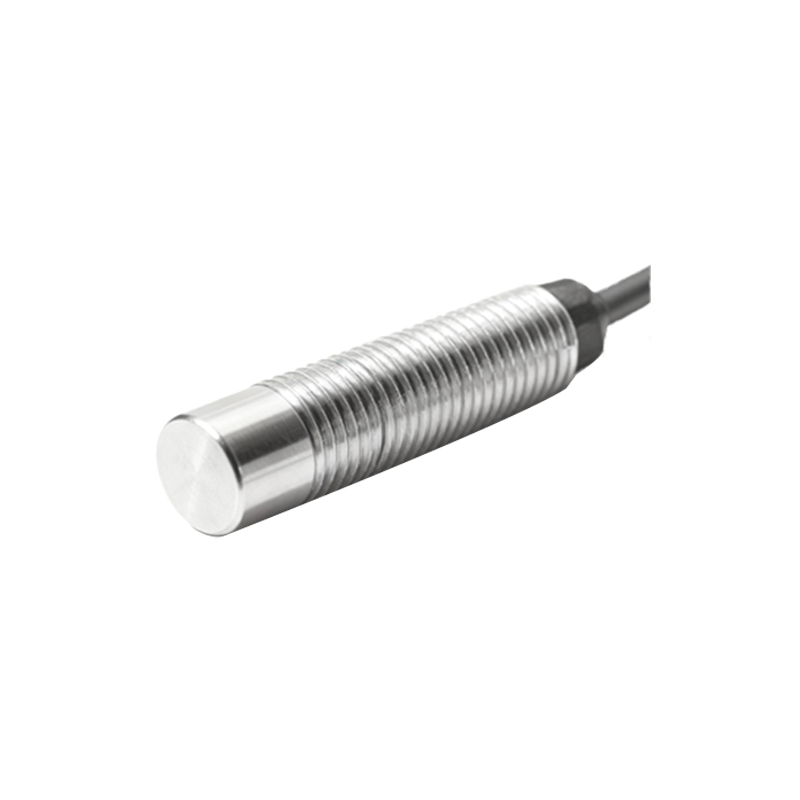
Wiring and electrical connections must adhere to safety standards and manufacturer guidelines. Most proximity sensors operate on DC or AC power supplies, with common voltage ranges being 10-30V DC or 90-250V AC. The output configuration can be normally open (NO), normally closed (NC), or analog, depending on the control logic required. When wiring, use shielded cables to minimize electromagnetic interference (EMI) from nearby motors or high-voltage equipment. Proper grounding is also critical to prevent electrical noise that could lead to erratic behavior. For instance, in a PLC-controlled system, connect the sensor's output to the input module, ensuring the load current does not exceed the sensor's rated capacity. Always refer to the datasheet for specific wiring diagrams, as incorrect connections can cause permanent damage or safety hazards.
Calibration and testing are vital steps to verify sensor performance after installation. Many modern proximity sensors feature built-in LED indicators that show power status and detection activity. During testing, introduce target objects at varying distances and speeds to confirm the sensor triggers reliably within its specified range. For capacitive sensors, adjust the sensitivity potentiometer to fine-tune detection for different materials, avoiding false alarms from background interference. In dynamic applications, such as counting items on a fast-moving line, consider response time—typically measured in milliseconds—to ensure the sensor can keep up with the operational speed. Regular maintenance, including cleaning the sensing face and checking for physical damage, helps sustain long-term accuracy.
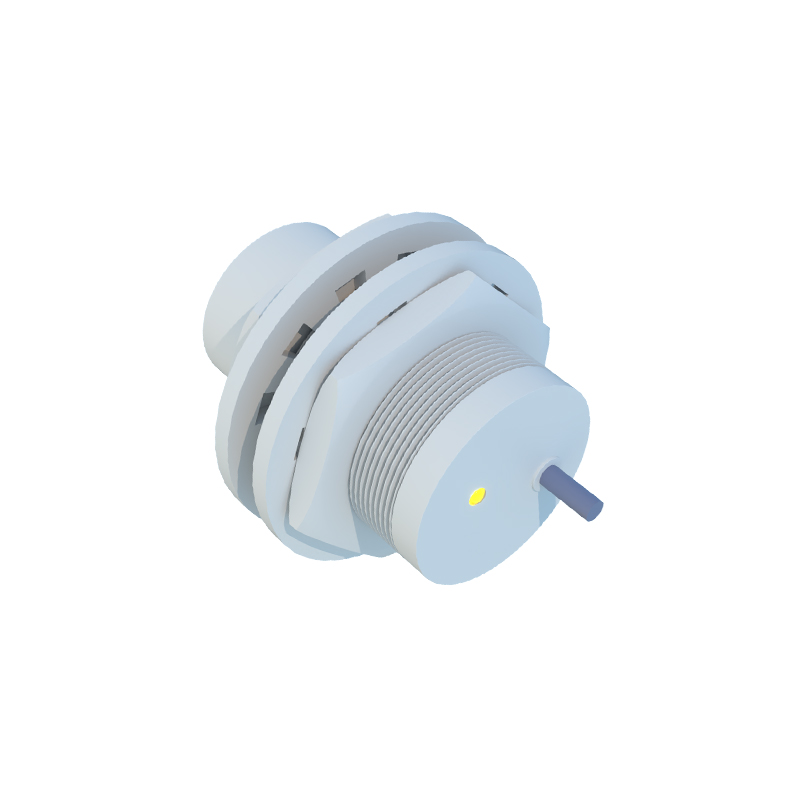
Common challenges in using proximity sensors include temperature extremes, chemical exposure, and mechanical vibrations. In high-temperature environments, select sensors rated for extended temperature ranges, and avoid direct heat sources. For corrosive settings, stainless steel housings or specialized coatings provide added protection. Vibration-resistant designs prevent loosening of mounting hardware over time. Troubleshooting often involves checking power supply stability, inspecting for obstructions, and verifying output signals with a multimeter or oscilloscope. By addressing these factors proactively, users can enhance system reliability.
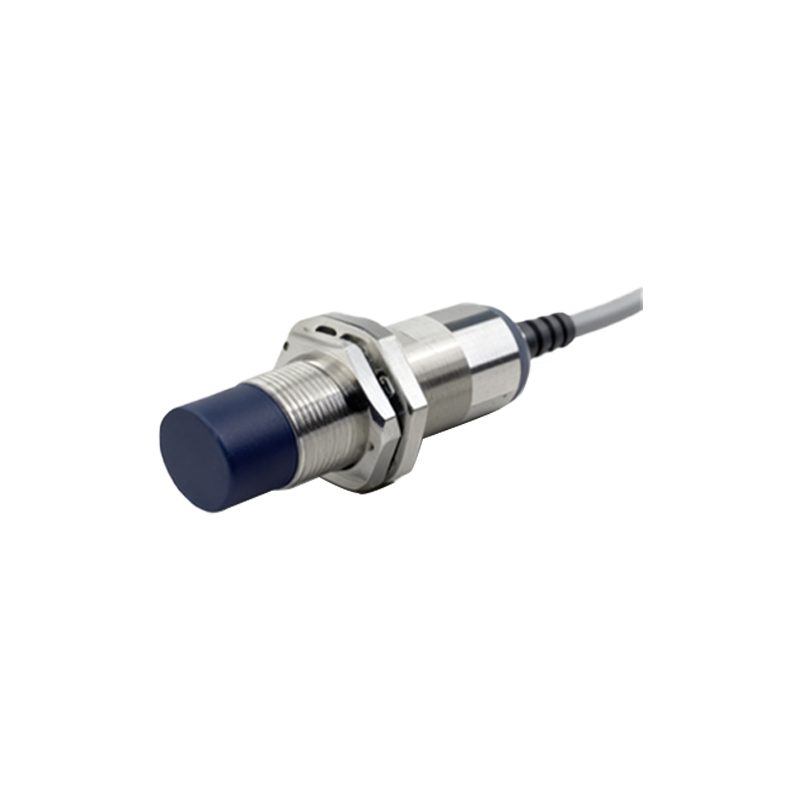
In summary, proximity sensors offer versatile and efficient solutions for object detection in industrial automation. Success hinges on careful selection, correct installation, precise wiring, and ongoing maintenance. As technology advances, smart sensors with IO-Link or Ethernet connectivity enable real-time monitoring and diagnostics, further streamlining operations. By mastering these usage principles, engineers and technicians can leverage proximity sensors to boost productivity, ensure safety, and drive innovation in diverse sectors, from food processing to aerospace.