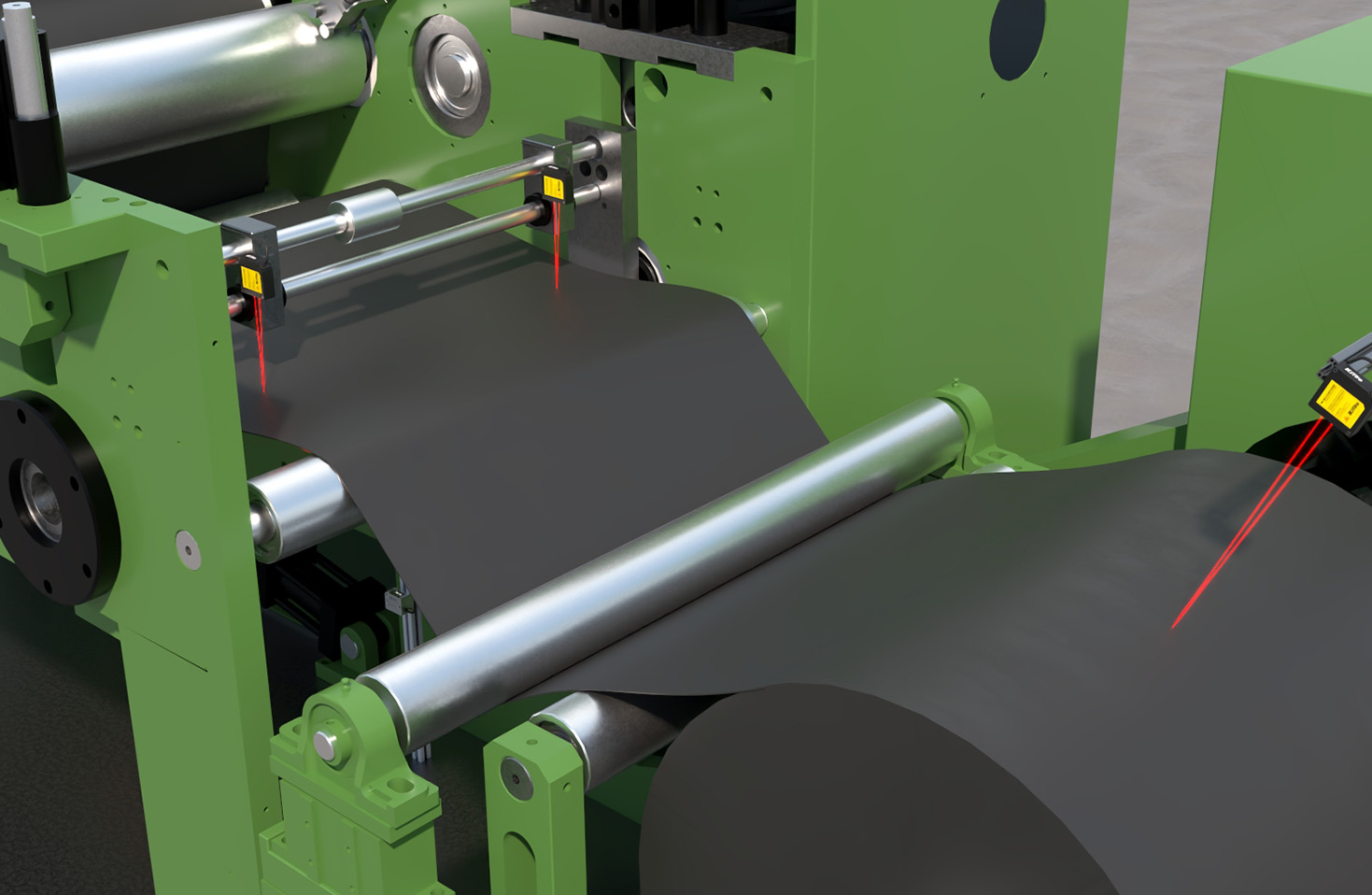
In the heart of modern industrial automation, laser sensor factories represent the pinnacle of precision engineering and advanced manufacturing. These facilities are where cutting-edge photonics, meticulous assembly processes, and rigorous quality control converge to produce devices critical for robotics, automotive safety, metrology, and smart infrastructure. A typical factory tour begins not on the production floor, but in the pristine environment of the cleanroom. Here, air filtration systems maintain particulate counts to levels thousands of times stricter than a standard room. Technicians, clad in full bunny suits, handle semiconductor wafers and delicate optical components like lenses and laser diodes under controlled lighting. The core of a laser sensor—often a Vertical-Cavity Surface-Emitting Laser (VCSEL) or an edge-emitting laser—is fabricated in semiconductor foundries before arriving. In the factory, these chips are precisely aligned and bonded onto substrates using automated die-attach machines, a process requiring micron-level accuracy.
The assembly line then progresses to optical integration. Laser beams must be collimated, focused, or shaped using micro-optics. Robotic arms equipped with vision systems pick and place miniature lenses and filters into housings. Adhesives are cured with UV light in seconds, locking components in perfect alignment. For Time-of-Flight (ToF) or LiDAR sensors, the integration of the receiver—a photodiode or an array—is equally critical. Calibration stations follow, where each sensor unit is powered and tested against reference standards. Engineers use interferometers and optical benches to verify wavelength, beam divergence, and output power. For distance-measuring sensors, targets at known distances provide calibration curves stored in the sensor's firmware.
Beyond the cleanroom, the factory houses automated SMT (Surface-Mount Technology) lines populating control PCBs with resistors, capacitors, and microcontrollers. These boards are then integrated with the optical engine. The final assembly sees the sensor housed in a ruggedized casing, often rated IP67 or higher for dust and water resistance. Every unit undergoes a battery of environmental stress tests: thermal cycling from -40°C to 85°C, vibration tests simulating industrial machinery, and shock tests to ensure reliability in the field.
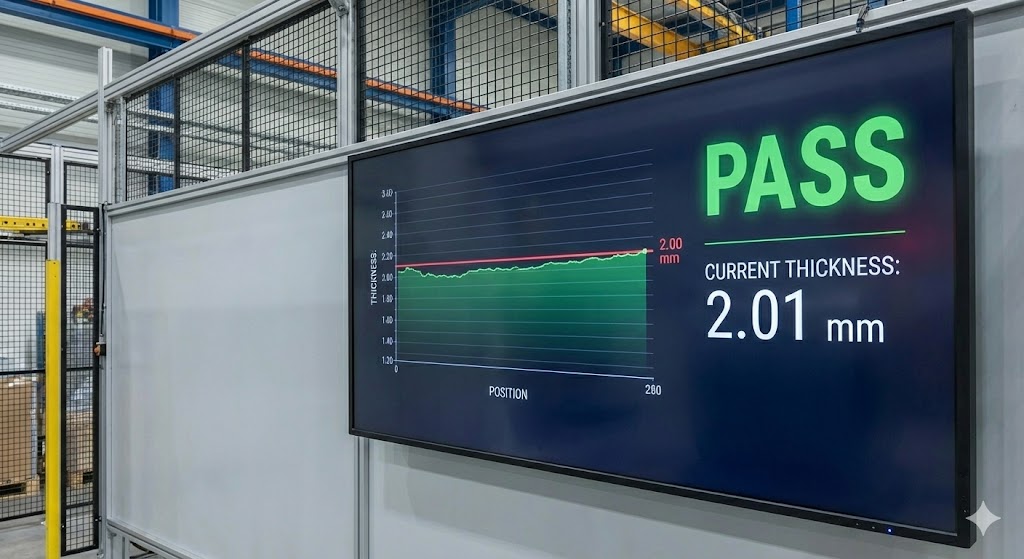
The backbone of the factory is its quality management system, adhering to standards like ISO 9001 and IATF 16949 for automotive-grade parts. Statistical Process Control (SPC) monitors every critical parameter in real-time, with data fed back to engineers for continuous improvement. Traceability is paramount; each sensor can be traced back to its production batch, component lots, and even the calibration equipment used.
Innovation in these factories is relentless. R&D labs onsite work on next-generation technologies like frequency-modulated continuous-wave (FMCW) LiDAR for autonomous vehicles or miniaturized sensors for consumer electronics. Additive manufacturing is increasingly used to produce custom jigs, fixtures, and even lightweight sensor housings. The factory is not just a production site; it is a living ecosystem where mechanical engineering, optics, electronics, and software development intersect. The result is a laser sensor—a device that emits an invisible beam of light, whose reflection tells a machine about the world with incredible speed and accuracy, enabling everything from factory robots that avoid collisions to medical devices that map tissues. The laser sensor factory, therefore, is more than a building; it is a testament to human ingenuity in measuring and interacting with the physical world through light.