Proximity sensors are indispensable components in modern industrial automation, serving as the "eyes" of machinery by detecting the presence or absence of objects without physical contact. This visual guide explores the core types, operating principles, and typical applications through detailed imagery and technical explanations, providing engineers and technicians with a clear reference for selection and implementation.
The most common categories are inductive, capacitive, ultrasonic, and photoelectric sensors. Inductive proximity sensors, often featured in metallic-housing images, are workhorses for detecting metallic objects. Their internal coil generates an electromagnetic field. When a ferrous or non-ferrous metal enters this field, it causes a change in oscillation amplitude, triggering the sensor's solid-state output. Typical images show their robust, cylindrical, or rectangular shapes, designed for harsh environments like machining centers, robotic arms, and conveyor systems where they count metal parts or confirm piston position.
Capacitive proximity sensors, visually similar to inductive types but often with a larger sensing face, detect both metallic and non-metallic materials—liquids, plastics, wood, or granules. They function by measuring changes in capacitance. An image might depict one controlling liquid level in a tank or detecting a glass bottle on a filling line. Their ability to sense through certain non-metal barriers makes them versatile, as shown in applications involving packaging or material handling.
Photoelectric sensors, distinct in appearance with separate emitter and receiver units or a single housing with a lens, use a beam of light. Common variants are through-beam, retro-reflective, and diffuse reflective. Through-beam types, shown with two opposing units, offer the longest range and high reliability for object detection on high-speed conveyors. Diffuse sensors, with a single compact housing, are pictured detecting objects at shorter ranges by reflecting light off the target itself, ideal for color differentiation or small-part detection.
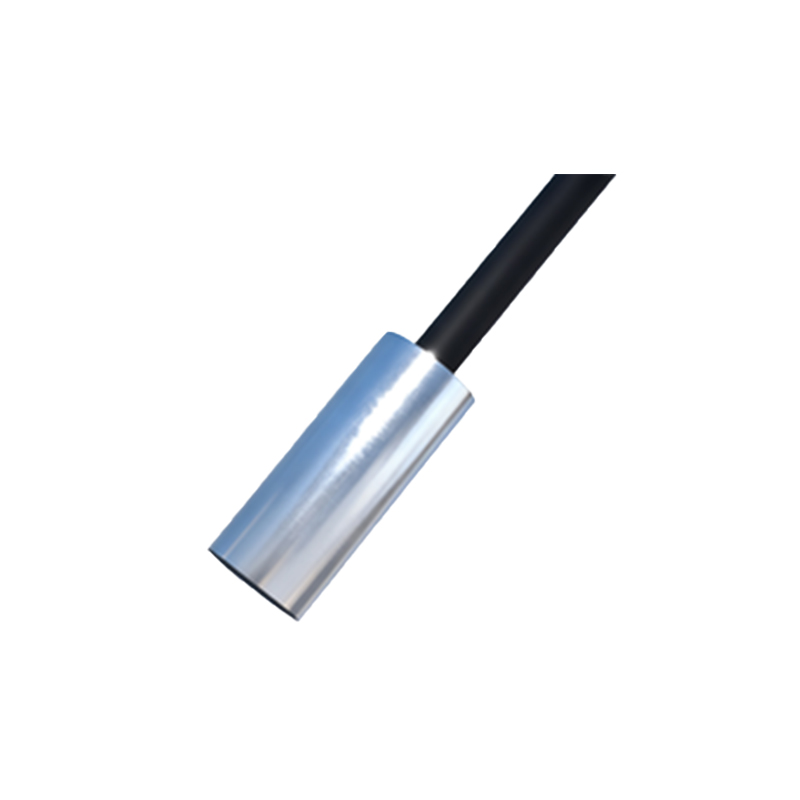
Ultrasonic sensors are recognizable by their transducer face. They emit high-frequency sound waves and measure the echo's return time to calculate distance. Application images often show them monitoring bulk material levels in silos or ensuring precise stacking height in palletizing systems, functioning reliably in dusty or steamy conditions where optical methods might fail.
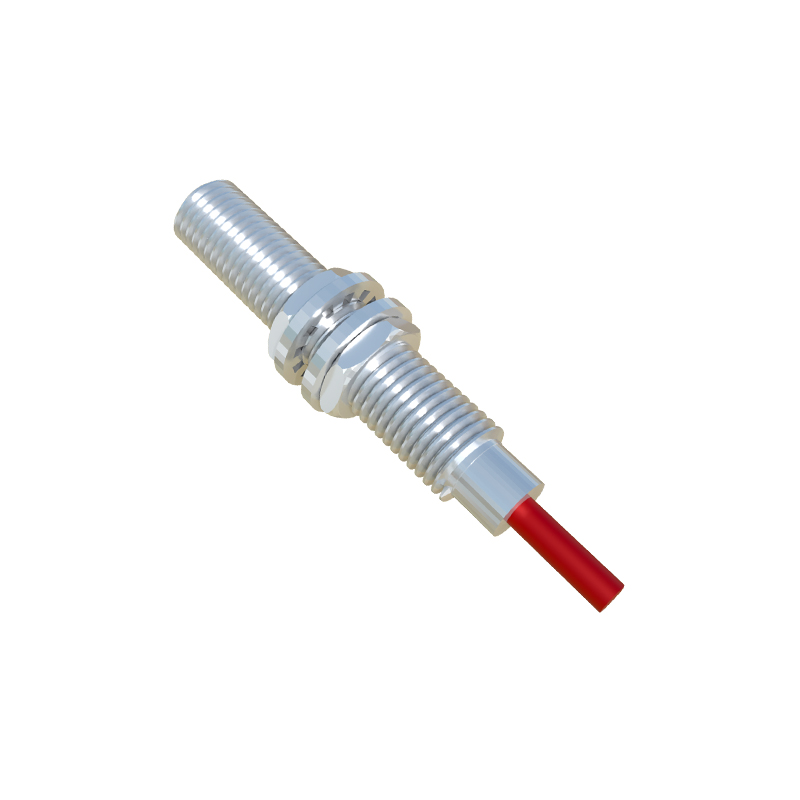
Key selection factors visible in sensor cutaway diagrams include sensing range, housing material (e.g., nickel-plated brass or stainless steel), output type (PNP/NPN), and connection styles (pre-wired or quick-disconnect). Installation images highlight the importance of proper mounting, spacing between sensors, and avoiding interference from adjacent metal or strong electrical noise.
In practice, a system layout diagram might illustrate inductive sensors on a CNC machine tool verifying tool changer position, while capacitive sensors ensure proper filling in a food processing line. Photoelectric sensors are shown coordinating robotic pick-and-place operations, and ultrasonic sensors manage inventory in automated storage. These images underscore how proximity sensors enhance efficiency, safety, and reliability by enabling precise, non-contact detection across diverse industrial landscapes—from automotive assembly to pharmaceutical packaging. Understanding their visual characteristics and operational contexts is crucial for designing robust and intelligent automated systems.