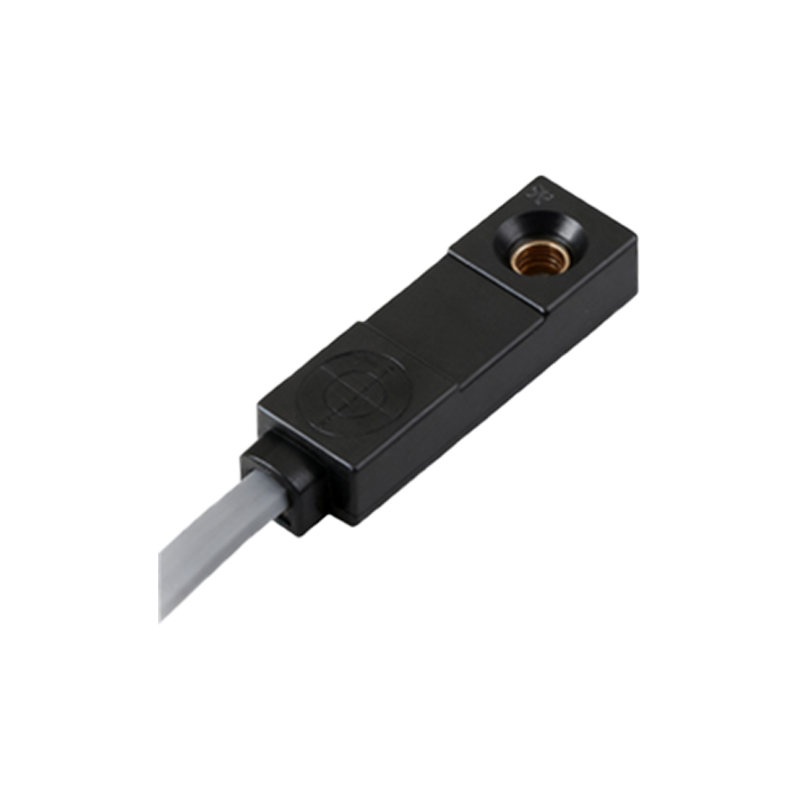
In the realm of industrial automation and machine control, proximity sensors are indispensable for non-contact detection of metallic objects. At the heart of many inductive proximity sensors lies a critical component: the magnetic head. This article delves into the working principles, design considerations, and practical applications of magnetic heads in proximity sensing technology.
The fundamental principle of an inductive proximity sensor's magnetic head revolves around electromagnetic induction. The head typically contains a coil wound around a ferrite core, which is part of an oscillator circuit. When an alternating current flows through this coil, it generates a high-frequency electromagnetic field that emanates from the active face of the sensor. In the absence of a conductive target, the oscillator operates at a stable amplitude. However, when a metallic object enters this field, eddy currents are induced on the surface of the target. These eddy currents draw energy from the oscillator, causing a measurable change in its amplitude or frequency. This change is detected by a subsequent evaluation circuit, which triggers a switching signal. The magnetic head's design directly influences the strength, shape, and penetration depth of this electromagnetic field, thereby determining the sensor's nominal sensing distance, switching frequency, and immunity to environmental interference.
Designing an effective magnetic head is a complex exercise in electromagnetic engineering. Key parameters include the coil geometry, the number of turns, the core material, and the shielding configuration. Ferrite cores are predominantly used due to their high magnetic permeability and low eddy current losses at high frequencies. The shape of the core—often pot-core, E-core, or rod-type—affects the field's directionality. A pot-core design, for instance, offers a more focused frontal sensing field, ideal for precise positioning, while a rod core might provide a more extended or lateral field. Shielding is another crucial aspect. Shielded (flush-mountable) magnetic heads incorporate a metallic ring around the coil, concentrating the magnetic field forward and allowing the sensor to be installed flush with a metal mounting surface without triggering false signals. Unshielded (non-flush) heads have a more extended lateral field but require a non-metallic surround for proper operation. Engineers must also consider factors like operating temperature range, as extreme temperatures can affect the core's permeability and the coil's resistance, potentially altering the sensing characteristics.
The performance of a proximity sensor is largely dictated by its magnetic head. The nominal sensing distance (Sn) is a primary specification, defined for a standard target of mild steel. For other metals, a correction factor must be applied; for example, sensing distance is reduced for stainless steel and aluminum due to their different electrical conductivities and permeabilities. Switching frequency, or the maximum number of on/off cycles per second, is limited by the oscillator's frequency and the response time of the magnetic system. A well-designed head ensures a stable and repeatable switching point, minimal hysteresis (the difference between the switch-on and switch-off points), and high resistance to electromagnetic interference from nearby motors or welding equipment. Modern designs also incorporate features to suppress mutual interference when multiple sensors are mounted in close proximity.
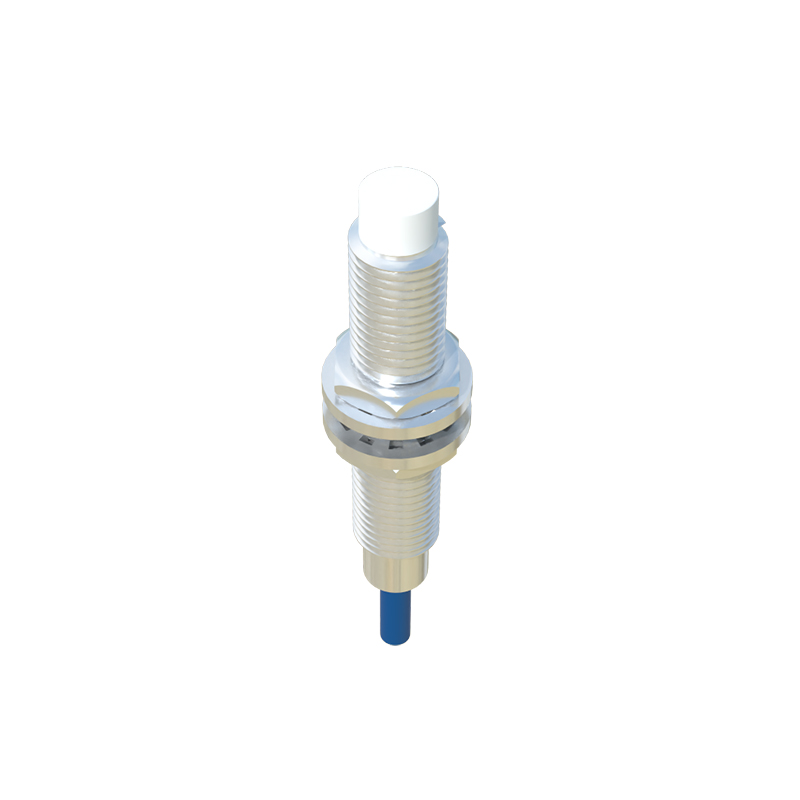
In industrial applications, magnetic heads for proximity sensors are engineered for robustness and reliability. They are encapsulated in robust housings made of stainless steel, nickel-plated brass, or PBT plastic to withstand harsh environments involving coolants, oils, metal chips, and mechanical vibration. Applications are vast and varied. In automotive assembly lines, they detect the presence of engine blocks or control robotic arm positions. In material handling, they count metal packages on conveyor belts. In machine tools, they serve as end-position limit switches for slides and spindles, ensuring precise movement and preventing collisions. Specialized versions include factor-1 sensors, designed to sense all metals at the same nominal distance, and high-temperature models with cores and coils rated for continuous operation near furnaces or casting machines.
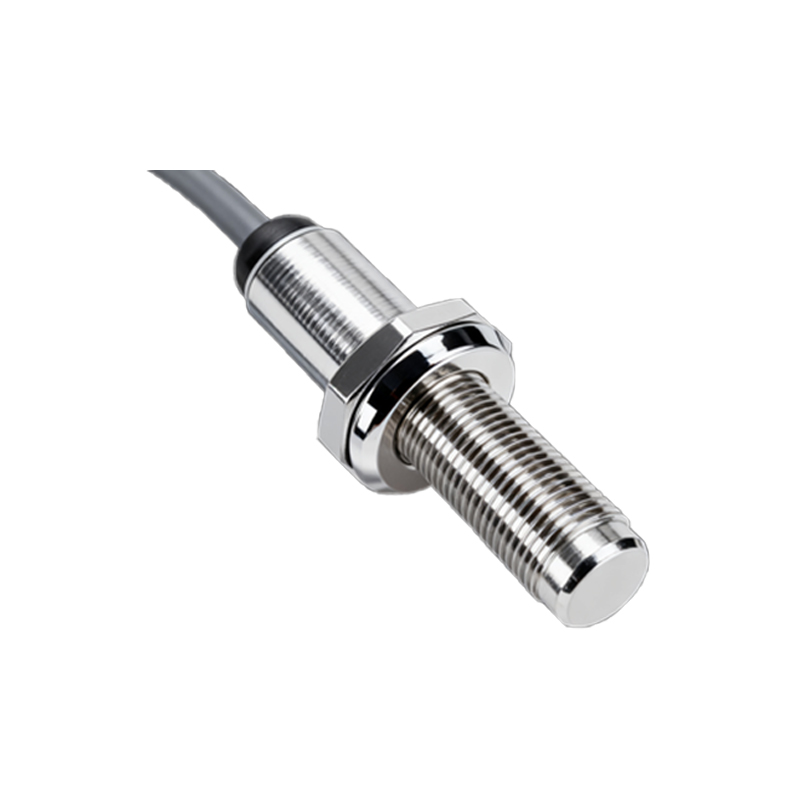
Future trends in magnetic head development focus on miniaturization, increased sensing ranges, and enhanced intelligence. The integration of advanced magnetic materials and micro-electronic signal processing allows for smaller sensor packages without sacrificing performance. Some next-generation sensors embed diagnostic capabilities within the head's evaluation circuit, providing real-time data on field strength or coil health for predictive maintenance. As Industry 4.0 and the Industrial Internet of Things (IIoT) advance, the humble magnetic head continues to evolve, remaining a vital and sophisticated link in automated control systems, ensuring precise, reliable, and maintenance-free operation in the most demanding industrial settings.