LiDAR (Light Detection and Ranging) sensors have become indispensable in modern electrical engineering, enabling precise distance measurement and 3D mapping across industries such as autonomous vehicles, robotics, and industrial automation. This guide explores key LiDAR sensor models, their technical specifications, and applications to help engineers select the right solution for their projects.
Understanding LiDAR Technology
LiDAR sensors emit laser pulses and measure the time taken for the light to reflect off objects, calculating distances with high accuracy. They are categorized into mechanical, solid-state, and hybrid types, each offering distinct advantages. Mechanical LiDAR uses rotating components for wide-field scanning, while solid-state LiDAR relies on phased arrays or MEMS (Micro-Electro-Mechanical Systems) for compact, durable designs. Hybrid models combine elements of both for balanced performance.
Key LiDAR Sensor Models and Specifications
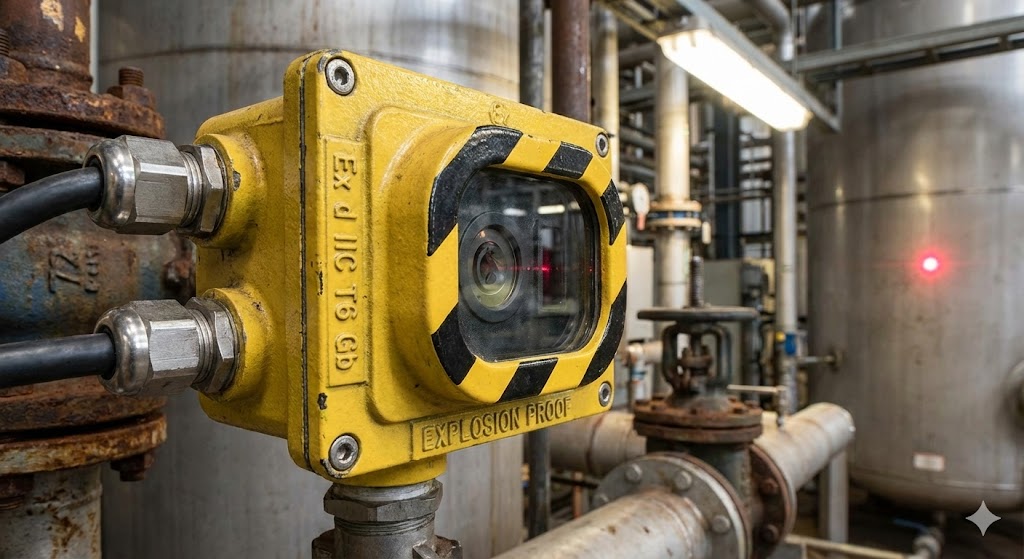
1. Velodyne HDL-64E: A mechanical rotating LiDAR with 64 laser channels, offering a 360° horizontal field of view (FOV) and 26.8° vertical FOV. It provides a range of up to 120 meters and is widely used in autonomous vehicle testing and high-resolution mapping. Its high data output (approximately 2.2 million points per second) makes it suitable for dynamic environments but requires significant power and cooling.
2. Ouster OS1-128: This digital LiDAR features 128 channels and dual returns for enhanced object detection. With a range of up to 240 meters and a 90° vertical FOV, it excels in long-range applications like trucking and aerospace. Its compact design and lower power consumption (around 15W) improve integration flexibility.
3. Sick TiM5xx Series: A 2D LiDAR ideal for industrial automation, offering scanning ranges up to 30 meters with a 270° FOV. It uses time-of-flight technology for reliable object detection in logistics and safety systems. Its IP67 rating ensures durability in harsh environments, and configurable scanning angles allow customization for specific tasks.
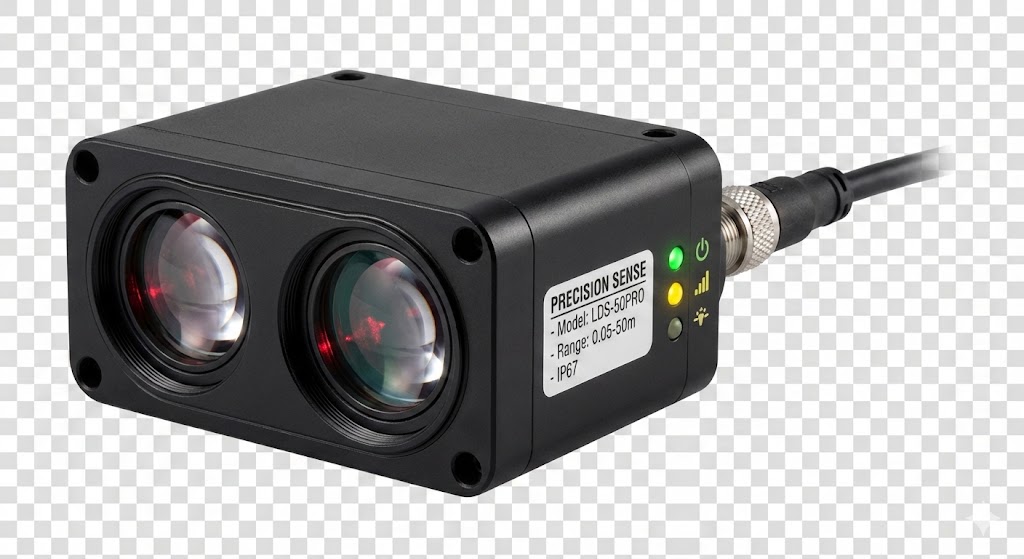
4. Quanergy M8: A solid-state LiDAR with 8 channels and a 120° horizontal FOV, designed for cost-effective solutions in smart cities and security. It has a range of up to 100 meters and operates with low power (under 10W), making it suitable for embedded systems. However, its limited vertical resolution may require complementary sensors for complex 3D mapping.
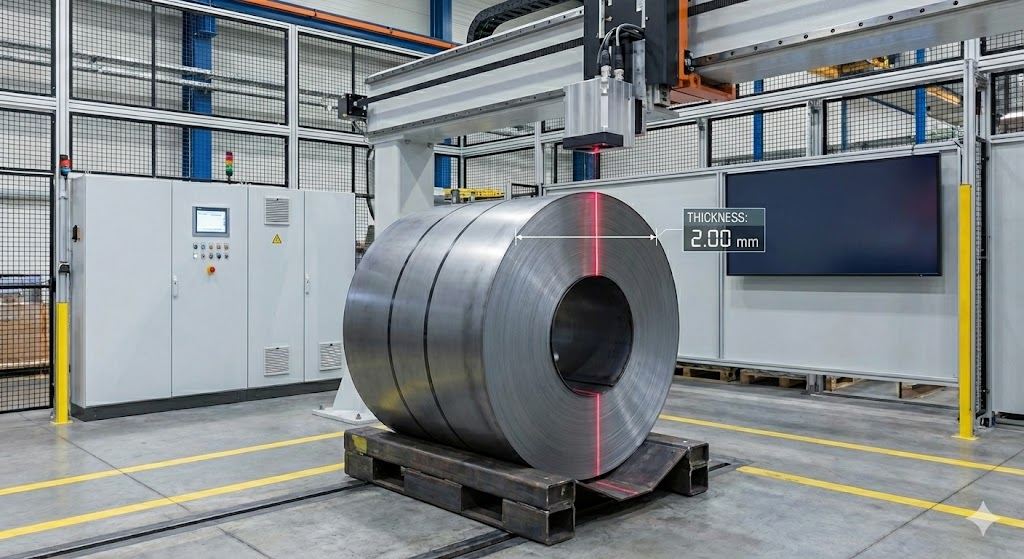
5. Hesai Pandar128: A hybrid model combining mechanical rotation with solid-state elements, delivering 128 channels and a 360° horizontal FOV. It achieves a range of 200 meters with high accuracy (±2 cm) and is optimized for autonomous driving in varied weather conditions. Its real-time data processing reduces latency for critical applications.
Selection Criteria for Engineers
When choosing a LiDAR sensor, consider these factors:
- Range and Resolution: Longer ranges (e.g., >150m) suit outdoor navigation, while higher resolution (more channels) enhances detail for mapping.
- Field of View: Wide FOVs (e.g., 360° horizontal) are essential for full coverage in robotics, while narrower FOVs may suffice for fixed installations.
- Power Consumption and Size: Solid-state models often offer lower power and smaller footprints for portable or battery-operated devices.
- Environmental Robustness: Look for IP ratings and temperature tolerances if deploying in industrial or outdoor settings.
- Cost and Integration: Mechanical LiDARs tend to be more expensive but provide superior performance; solid-state options reduce costs for mass production.
Applications and Future Trends
LiDAR sensors are pivotal in autonomous vehicles for obstacle detection, in robotics for SLAM (Simultaneous Localization and Mapping), and in construction for topographic surveys. Emerging trends include miniaturization for consumer electronics, AI-enhanced data processing, and the development of FMCW (Frequency-Modulated Continuous Wave) LiDAR for improved velocity measurement. As costs decline and performance advances, LiDAR adoption is expected to grow in IoT and smart infrastructure projects.
In summary, selecting the right LiDAR sensor model requires balancing technical specs with project needs. Engineers should evaluate models like the Velodyne HDL-64E for high-end mapping or the Sick TiM5xx for industrial automation, keeping an eye on innovations in solid-state technology to drive future solutions.