Laser sensors have become indispensable in modern industrial applications, offering unparalleled precision in measurement, detection, and positioning. However, their performance and longevity are severely threatened by corrosion in harsh operating environments such as chemical processing plants, offshore platforms, marine applications, and wastewater treatment facilities. Corrosion, the gradual degradation of materials through electrochemical reactions with their environment, can attack sensor housings, optical windows, electrical connections, and internal components. This not only leads to measurement drift, signal attenuation, or complete failure but also results in costly downtime, maintenance, and replacement. Implementing a robust corrosion protection strategy is therefore not an option but a critical necessity for ensuring reliability and a positive return on investment.
The primary defense against corrosion begins at the design and material selection stage. The sensor housing, the first line of defense, must be constructed from materials inherently resistant to the specific corrosive agents present. For general industrial atmospheres, high-grade aluminum alloys with hard-anodized coatings provide excellent protection. In more aggressive environments, such as those involving salt spray or acidic fumes, stainless steel (particularly grades 316 or 316L) is the standard choice due to its high chromium and nickel content, which forms a passive oxide layer. For the most extreme conditions, including strong acids or alkalis, engineered polymers like PVDF (Polyvinylidene Fluoride) or PPS (Polyphenylene Sulfide) offer exceptional chemical inertness. Furthermore, the optical window or lens, a critical yet vulnerable point, must be made from specialized materials. While standard glass is susceptible to etching by hydrofluoric acid or strong alkalis, synthetic sapphire or quartz windows provide superior hardness and chemical resistance, ensuring long-term clarity of the laser beam.
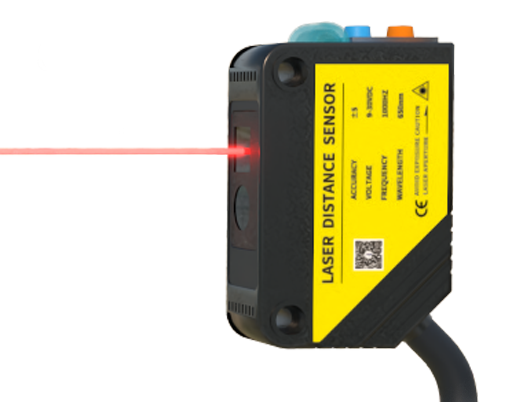
Beyond material choice, the integrity of the sensor is maintained through sealing and encapsulation. The international Ingress Protection (IP) rating, such as IP67 or IP69K, indicates the level of protection against solids and liquids. A high IP rating ensures that corrosive liquids or gases cannot penetrate the enclosure. This is achieved through the use of high-quality elastomer gaskets (e.g., Viton or EPDM for chemical resistance) at all seams and cable entry points. Potting, the process of filling the internal cavity with a protective compound like epoxy or silicone, shields sensitive electronic components from moisture, ionic contamination, and thermal stress. Conformal coatings, thin polymeric films applied directly to circuit boards, provide an additional barrier against humidity and corrosive atmospheres. For external fasteners and mounting hardware, selecting stainless steel or applying anti-corrosion coatings is essential to prevent galvanic corrosion, which occurs when dissimilar metals are in contact in the presence of an electrolyte.
The operational environment and installation practices play a decisive role. Whenever possible, sensors should be mounted in locations with minimal direct exposure to corrosive sprays, splashes, or accumulating condensate. The use of protective accessories is highly recommended. Purge fittings allow a continuous, low flow of clean, dry air or inert gas (like nitrogen) across the optical window, creating positive pressure inside a housing and preventing corrosive fumes from contacting the lens. Physical protective shrouds or housings made from corrosion-resistant materials can be installed around the sensor, acting as a sacrificial or cleanable barrier. For sensors in wash-down areas in food & beverage or pharmaceutical industries, choosing models with smooth surfaces and crevice-free designs prevents the entrapment of corrosive cleaning agents.
A proactive maintenance regimen is the final pillar of an effective corrosion protection strategy. Regular visual inspections should check for signs of coating degradation, gasket deterioration, lens fouling, or the onset of rust. Scheduled cleaning of the optical window with appropriate, non-abrasive solvents is crucial to remove deposits that might trap moisture or chemicals. Monitoring the performance data of the sensor can provide early warnings of potential issues; for instance, a gradual decrease in signal strength might indicate lens clouding due to chemical attack. Keeping a log of environmental conditions and sensor performance helps in predicting maintenance intervals and selecting even more suitable sensors for future applications.
In conclusion, safeguarding laser sensors from corrosion is a multi-faceted engineering challenge that requires a holistic approach. It integrates careful material science, mechanical design for sealing, thoughtful system integration with protective accessories, and disciplined operational maintenance. By investing in these protection strategies from the outset, engineers and plant managers can significantly extend the service life of laser sensors, enhance process reliability, reduce total cost of ownership, and ensure continuous, accurate operation even in the most demanding industrial landscapes. The upfront consideration of corrosion protection translates directly into long-term operational stability and cost savings.