In the rapidly evolving landscape of electronic sensing technologies, infrared (IR) proximity sensors have carved out a critical niche, particularly in consumer electronics and industrial automation. Nubia, a brand recognized for its innovation in mobile technology, has integrated and refined IR proximity sensing in its devices, offering a compelling case study in practical application. This article delves into the operational principles, key specifications, and integration considerations of such sensors from an electrical engineering perspective.
Fundamentally, an IR proximity sensor operates by emitting an infrared light beam, typically from a light-emitting diode (LED), and detecting the reflected signal using a photodiode or a phototransistor. The intensity of the reflected IR light is proportional to the distance and reflectivity of the target object. Nubia's implementation often involves a modulated IR signal to mitigate interference from ambient light sources, a common challenge in IR sensing. The sensor's front-end consists of the IR emitter and receiver pair, while the backend incorporates signal conditioning circuitry—including amplifiers, filters, and analog-to-digital converters (ADCs)—to translate the faint received signal into a reliable digital output for the host microcontroller.
Key performance parameters for engineers to evaluate include sensing range, response time, power consumption, and immunity to environmental factors. Nubia's sensors, designed for smartphone applications like screen blanking during calls, typically feature a short-range detection (e.g., 0 to 5 cm) with millisecond-level response times. Power efficiency is paramount, often employing low-duty-cycle pulsing of the IR emitter to conserve battery life. The packaging is another critical aspect; these sensors are miniaturized surface-mount devices (SMDs) that must be precisely positioned behind the smartphone's glass or plastic bezel, often requiring optical windows transparent to the specific IR wavelength used (commonly around 940nm to avoid visible red glow).
Integration into a system presents several design challenges. Optical crosstalk between the emitter and receiver must be minimized through physical barriers or careful optical design within the module to prevent false triggering. Calibration is essential to account for variations in component tolerances and the optical properties of the cover material. The sensor's output is usually an interrupt signal or an I2C/SPI digital readout, providing proximity status or even crude distance data. Engineers must ensure robust firmware that handles debouncing, thresholds, and adaptive algorithms to maintain reliability across different usage scenarios, such as varying ambient light conditions or the presence of different materials near the sensor.
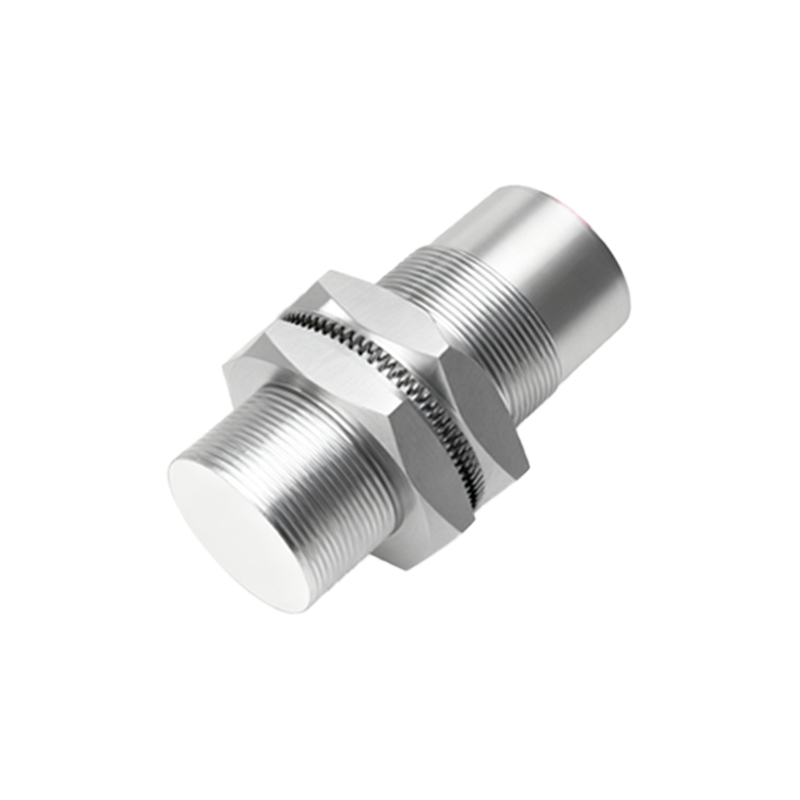
From a broader industry viewpoint, the technology in Nubia's devices reflects trends toward higher integration, lower power, and smarter contextual awareness. Future iterations may incorporate multi-spectral sensing or fuse IR proximity data with inputs from other sensors like ambient light sensors or time-of-flight (ToF) modules for more sophisticated user interface controls.
In conclusion, Nubia's use of IR proximity sensors exemplifies a mature application of a fundamental sensing principle. For electrical engineers, understanding the intricacies of component selection, signal integrity, power management, and firmware integration is key to successfully deploying such sensors. While seemingly simple, these modules are a testament to the detailed engineering required to achieve reliable, seamless functionality in modern electronic devices.