In the demanding landscape of modern industrial automation, the ability to reliably detect the presence or absence of an object without physical contact is fundamental. Proximity sensors are ubiquitous in this role. However, when operations extend into high-temperature environments—such as those found in metal casting, glass manufacturing, automotive engine testing, or near industrial ovens—standard sensor models rapidly fail. The performance and longevity of a proximity sensor under thermal stress are not mere add-ons but critical design imperatives. This article delves into the engineering principles, material science, and application strategies that define high-temperature capable proximity sensors.
The primary challenge in high-temperature environments is the inherent sensitivity of electronic and magnetic components to heat. Excessive temperature can cause a cascade of failures: semiconductor degradation, demagnetization of permanent magnets in inductive sensors, insulation breakdown in wiring, and physical deformation of housings and sensing faces. For standard industrial sensors, the continuous operating temperature typically caps at 70-85°C. High-temperature variants are specifically engineered to withstand ambient temperatures ranging from 150°C to over 250°C, with some specialized models pushing even higher.
Material selection is the first line of defense. The sensor housing, typically constructed from stainless steel (such as 303, 304, or 316 grades), must resist not only heat but also thermal cycling that can induce metal fatigue and cracking. For the sensing face, high-temperature ceramics or specially formulated PEEK (Polyether Ether Ketone) plastics are often employed instead of standard plastics like PTFE or PVC, which would soften or decompose. These materials maintain their structural integrity and dielectric properties under extreme heat.
Internally, the core components require significant re-engineering. The coil windings in inductive proximity sensors utilize high-temperature-rated wire with insulation made from materials like polyimide (often known by the brand name Kapton) or ceramic coatings. Soldered connections, a common point of failure, are replaced with high-temperature solder alloys or, preferably, welded or crimped connections. The integrated circuitry (IC) is either specially selected for a high junction temperature or is physically distanced from the hot sensing head via a long, cooled barrel or through the use of remote amplifier designs. In this "separate amplifier" configuration, only the robust, passive sensing coil endures the high-temperature zone, while the sensitive electronics are housed in a remote, cooler enclosure connected by a high-temperature cable.
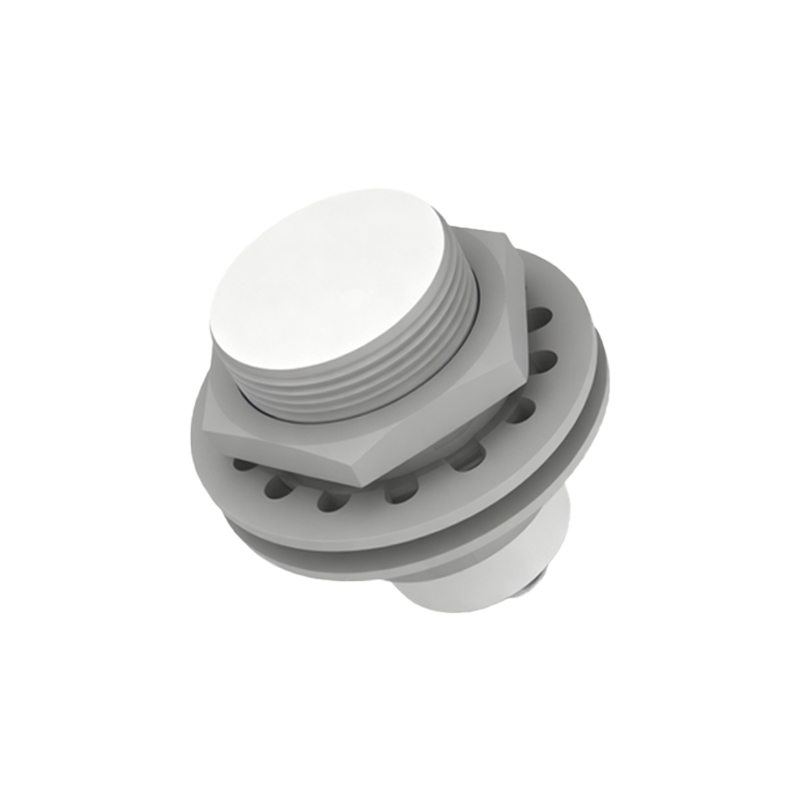
The sensing technology itself also influences high-temperature performance. Inductive sensors, detecting metallic objects, are commonly adapted for hot environments due to their relatively simple, coil-based principle. Capacitive sensors, used for non-metallic materials, can be more challenging as the dielectric properties of both the target and the surrounding air change with temperature, potentially requiring compensation algorithms. Photoelectric sensors are generally less suited for direct high-ambient heat due to the sensitivity of LEDs and phototransistors, though fiber optic versions with remote electronics can be a solution for specific applications.
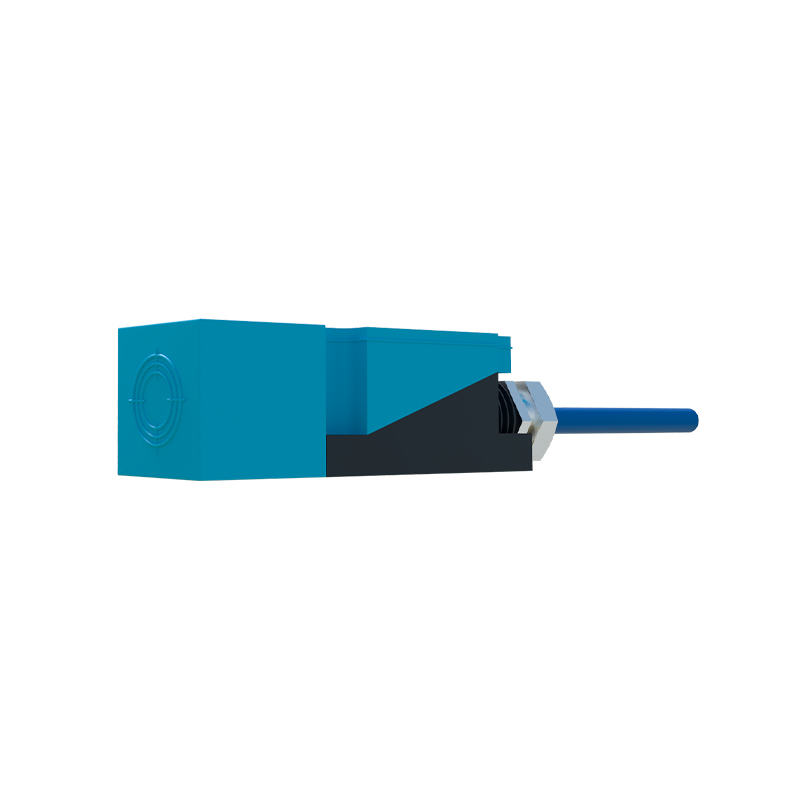
Beyond the sensor itself, installation and ancillary components are crucial. High-temperature rated cables with silicone or fiberglass insulation are mandatory to prevent short circuits and insulation meltdown. Proper mounting is essential to manage heat transfer; using thermally insulating brackets or spacers can prevent the sensor from becoming a heat sink for the hot machine part it is monitoring, thereby lowering its actual operating temperature. Adequate airflow, where possible, can provide convective cooling.
Real-world applications vividly illustrate the necessity. In die-casting machines, proximity sensors monitor the position of molten metal injection pistons or die halves, facing radiant heat and splashes. Within automotive brake testing rigs, sensors must operate reliably near glowing brake discs. In glass bottle manufacturing, sensors on the hot end of the forming line count and inspect bottles while they are still hundreds of degrees Celsius. In each case, a standard sensor would have a lifespan measured in hours or days, while a properly specified high-temperature sensor ensures months or years of reliable service, preventing costly unplanned downtime and maintaining production quality.
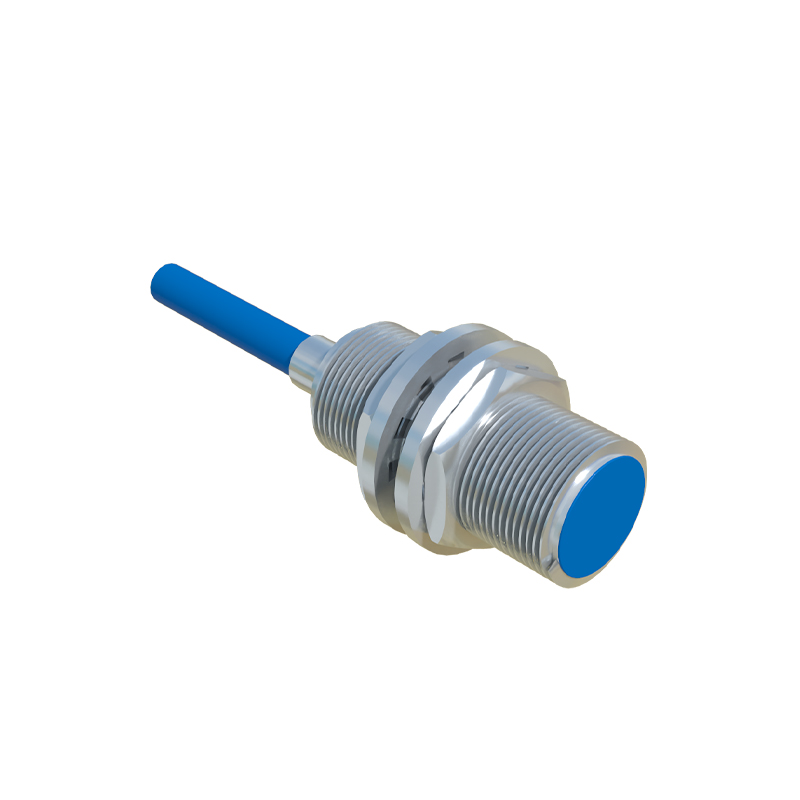
In conclusion, a high-temperature proximity sensor is not simply a "ruggedized" standard unit. It is the product of deliberate design choices in materials, component layout, and sensing principle. Specifying such a sensor requires a clear understanding of the actual ambient temperature profile, including peak temperatures and thermal cycling. By investing in engineered solutions for high-heat applications, industries achieve the robustness required for continuous, efficient, and safe operation in some of the most challenging environments on the factory floor.