In the realm of industrial automation and machine control, proximity switches are indispensable components for non-contact detection. Among the diverse configurations available, the 90-degree proximity switch sensor stands out for its unique physical orientation and application-specific advantages. This article delves into the design principles, operational characteristics, and practical considerations for selecting and implementing these specialized sensors.
A 90-degree proximity switch, as the name implies, features a sensing face oriented at a right angle (90 degrees) to the axis of its housing or mounting body. This design is a deliberate departure from the standard axial (in-line) configuration. The primary mechanical benefit is space optimization. In cramped control panels, machinery with complex geometries, or applications where direct axial approach is obstructed, the 90-degree form factor allows for efficient installation. The electrical connection, typically via a pre-wired cable or connector, exits from the rear or side, facilitating cleaner cable routing and reducing strain on the connections.
The core sensing technology within these housings remains consistent with standard proximity switches. Inductive types are most common, generating an electromagnetic field to detect the presence of metallic targets without physical contact. When a ferrous or non-ferrous metal object enters the sensor's defined sensing range, it causes a change in the oscillation amplitude within the sensor's coil. This change is processed by the internal circuitry, triggering a solid-state output signal to switch state. Capacitive variants, sensitive to both metallic and non-metallic materials, are also available in 90-degree housings for level detection or material presence applications. The sensing performance—defined by factors like nominal sensing distance (Sn), repeatability, and switching frequency—is a function of the internal electronics and coil design, not the housing bend. Reputable manufacturers ensure the 90-degree housing does not compromise the specified sensing range or reliability.
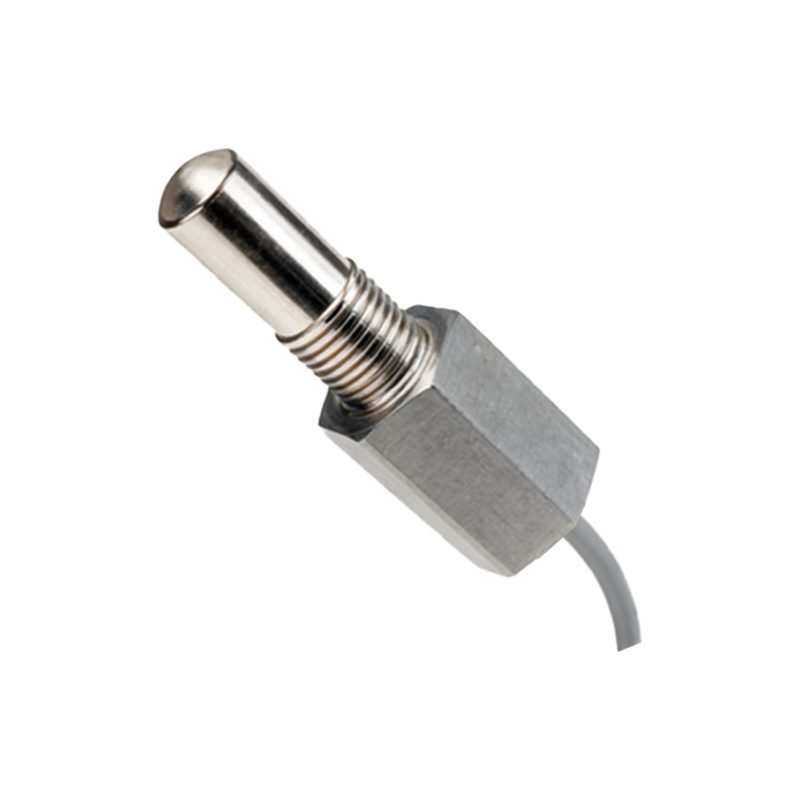
The applications for 90-degree proximity sensors are vast and critical. They are frequently deployed in automated assembly lines for end-of-arm tooling detection on robotic arms, where their profile allows them to fit into the tool's compact structure. In material handling, such as conveyor systems, they are ideal for side-sensing tasks—detecting the passage of objects, verifying the position of a pallet, or acting as a jam sensor where mounting space perpendicular to the target path is limited. Machine tooling extensively uses them for limit switching and position verification of slides, clamps, or doors that move parallel to the sensor's mounting surface. Their robust construction, often rated to IP67 or higher for resistance to dust and water ingress, makes them suitable for harsh industrial environments common in packaging, automotive manufacturing, and woodworking.
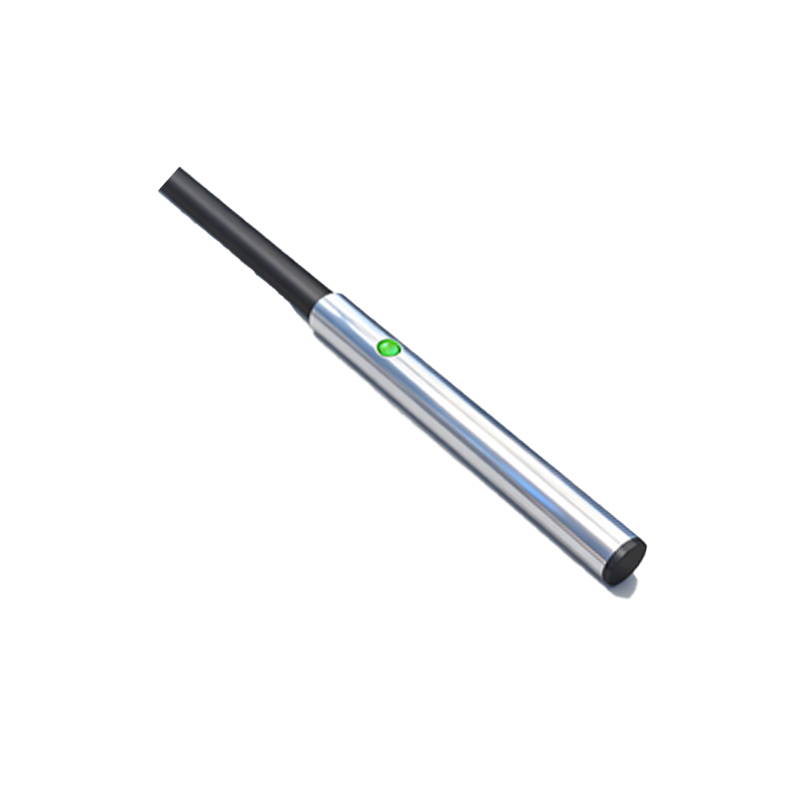
Selecting the appropriate 90-degree proximity switch requires careful analysis of several parameters beyond just the physical angle. First, determine the required sensing technology: inductive for metals, capacitive for other materials, or perhaps a magnetic reed type for specific safety interlocks. Next, specify the sensing distance needed, always considering a safety factor (typically 70-80% of Sn) to account for mechanical tolerances and temperature drift. The housing material is crucial; nickel-plated brass or stainless steel housings offer superior chemical and mechanical resistance compared to plastic. Output configuration is another key decision: PNP (sourcing) or NPN (sinking) transistor outputs are standard for programmable logic controller (PLC) interfaces, while two-wire AC/DC versions simplify wiring. Don't overlook the electrical requirements: operating voltage range (e.g., 10-30V DC) and current rating must match the control system. Finally, consider the connection method: integral cable, quick-disconnect connectors, or terminal chambers, each offering different trade-offs in maintenance ease and environmental sealing.
Installation and maintenance follow best practices for all proximity sensors. Ensure the sensor is mounted securely to minimize vibration, which can affect performance. For inductive sensors, maintain a clearance from surrounding metal (the "non-flush" mounting condition) as per datasheet guidelines to achieve the full sensing range. Regularly check for accumulation of metallic swarf or other contaminants on the sensing face, as this can reduce the effective sensing distance. While these sensors are solid-state and have no moving parts to wear out, periodic functional verification as part of preventive maintenance is recommended to ensure system integrity.
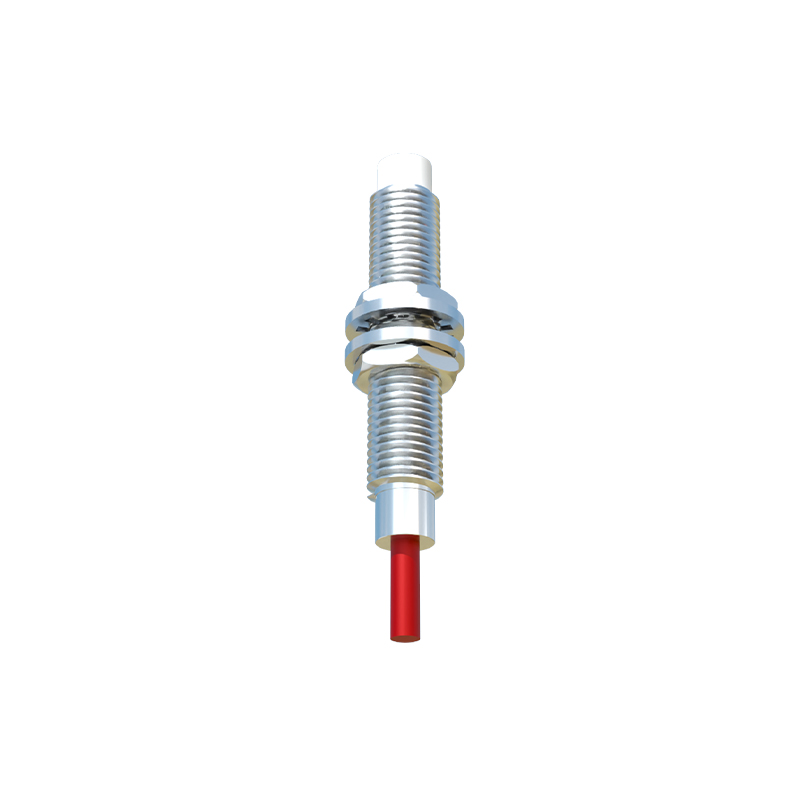
In conclusion, the 90-degree proximity switch sensor is a powerful ergonomic solution to spatial constraints in automation design. Its right-angle configuration solves physical installation challenges without sacrificing the reliability, speed, and non-contact benefits of proximity sensing technology. By meticulously matching the sensor's specifications—encompassing technology, range, housing, output, and electrical details—to the application's demands, engineers can achieve robust, maintenance-free detection that enhances machine safety, efficiency, and operational intelligence. As machinery continues to evolve towards greater complexity and density, the strategic use of such specialized components will remain a cornerstone of effective elect