Proximity switch sensors, often simply called proximity sensors, are non-contact electronic devices widely used in industrial automation to detect the presence or absence of an object within a specified range without physical contact. These sensors operate based on various physical principles, primarily electromagnetic, capacitive, and inductive technologies, each suited to specific applications and materials. Understanding their working mechanisms is crucial for engineers and technicians in designing efficient and reliable automated systems.
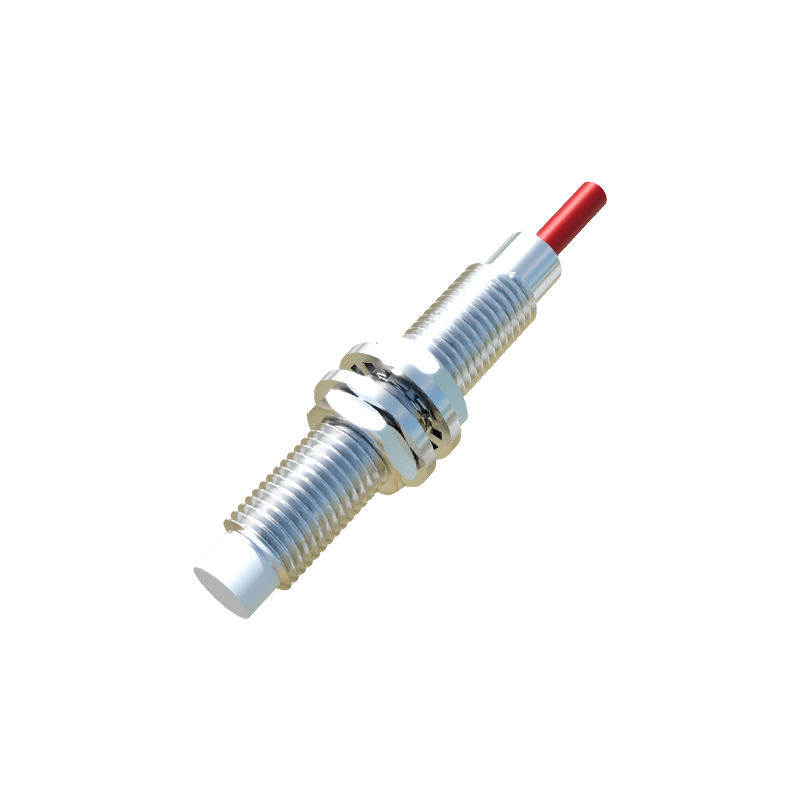
Inductive proximity sensors are among the most common types, particularly effective for detecting metallic objects. They generate an oscillating electromagnetic field via a coil and ferrite core arrangement. When a conductive metal object enters this field, eddy currents are induced on the object's surface, causing a change in the oscillation amplitude or frequency. The sensor's internal circuit detects this change and triggers an output signal, typically a switch closure or digital pulse. These sensors are ideal for harsh environments due to their robustness and immunity to dust, oil, or moisture. However, they are limited to metals and have a detection range influenced by the target material's conductivity and size.
Capacitive proximity sensors, on the other hand, can detect both metallic and non-metallic objects, including liquids, plastics, and wood. They function by generating an electrostatic field between two electrodes. When an object enters this field, it alters the capacitance between the electrodes, as the object's dielectric constant differs from air. This capacitance change is measured by the sensor's circuitry, leading to an output activation. Capacitive sensors are versatile but can be sensitive to environmental factors like humidity or temperature variations, requiring careful calibration. They are often used in level detection, material handling, and packaging industries.
Ultrasonic proximity sensors utilize sound waves beyond human hearing to detect objects. They emit high-frequency ultrasonic pulses and measure the time taken for the echo to return after reflecting off a target. By calculating the time-of-flight, the sensor determines the distance to the object. These sensors are effective for a wide range of materials and can operate in challenging conditions, such as transparent or shiny surfaces that may confuse optical sensors. However, they may be affected by air turbulence, temperature gradients, or acoustic interference. Applications include distance measurement, object counting, and collision avoidance in robotics.
Magnetic proximity sensors detect the presence of magnetic fields, typically from permanent magnets. They use reed switches or Hall effect elements to sense magnetic flux changes. When a magnet approaches, the reed switch closes or the Hall element generates a voltage, producing an output signal. These sensors are simple, reliable, and often used in safety systems, position sensing, or where non-metallic barriers exist between the sensor and target. Their range is limited, and they require a magnetic source, making them less versatile for general object detection.
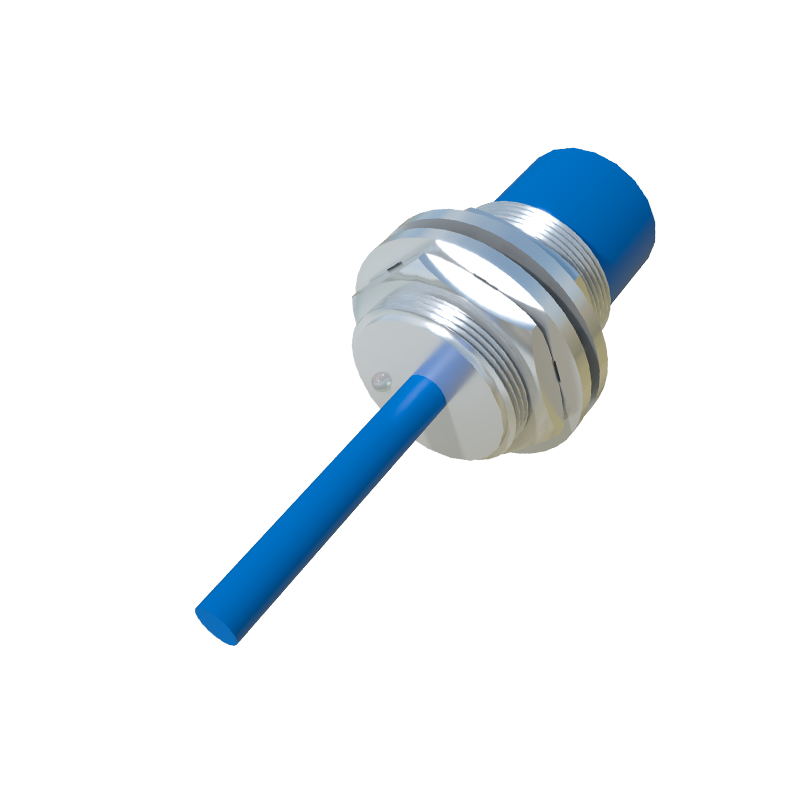
In industrial settings, selecting the right proximity sensor depends on factors like target material, environmental conditions, required sensing distance, and response speed. Engineers must consider specifications such as nominal sensing range, repeatability, and output type (e.g., NPN/PNP, analog, or digital). Proper installation and shielding are essential to minimize interference from other electrical devices or metal surroundings.
Advancements in sensor technology have led to smart proximity sensors with integrated diagnostics, communication protocols like IO-Link, and enhanced durability. These innovations improve system integration, predictive maintenance, and overall automation efficiency. As Industry 4.0 evolves, proximity sensors continue to play a pivotal role in enabling real-time monitoring and control, contributing to safer and more productive industrial operations.
Overall, proximity switch sensors are fundamental components in modern automation, offering reliable, non-contact detection that enhances operational precision and reduces mechanical wear. By mastering their principles, professionals can optimize sensor selection and deployment, ensuring robust performance across diverse applications from manufacturing lines to automotive assembly.