In hazardous industrial environments where flammable gases, vapors, or combustible dusts are present, ensuring operational safety is paramount. Explosion proof proximity sensors have emerged as critical components in such settings, designed to detect the presence or absence of objects without physical contact while preventing ignition sources. These specialized sensors are engineered to contain any potential explosion within their housing, ensuring that the external hazardous atmosphere is not ignited. This article delves into the technology, applications, selection criteria, and benefits of explosion proof proximity sensors, providing essential insights for engineers and safety professionals.
The fundamental principle behind explosion proof proximity sensors involves robust construction that can withstand internal explosions and prevent the transmission of flames or excessive heat to the surrounding environment. Typically, these sensors are housed in rugged enclosures made from materials like stainless steel or brass, which are capable of withstanding high pressures. They are certified according to stringent international standards such as ATEX (Europe), IECEx (International), and NEC (North America), which classify them based on the type of hazardous area (Zone 0, 1, 2 for gases; Zone 20, 21, 22 for dust) and the specific nature of the explosive atmosphere.
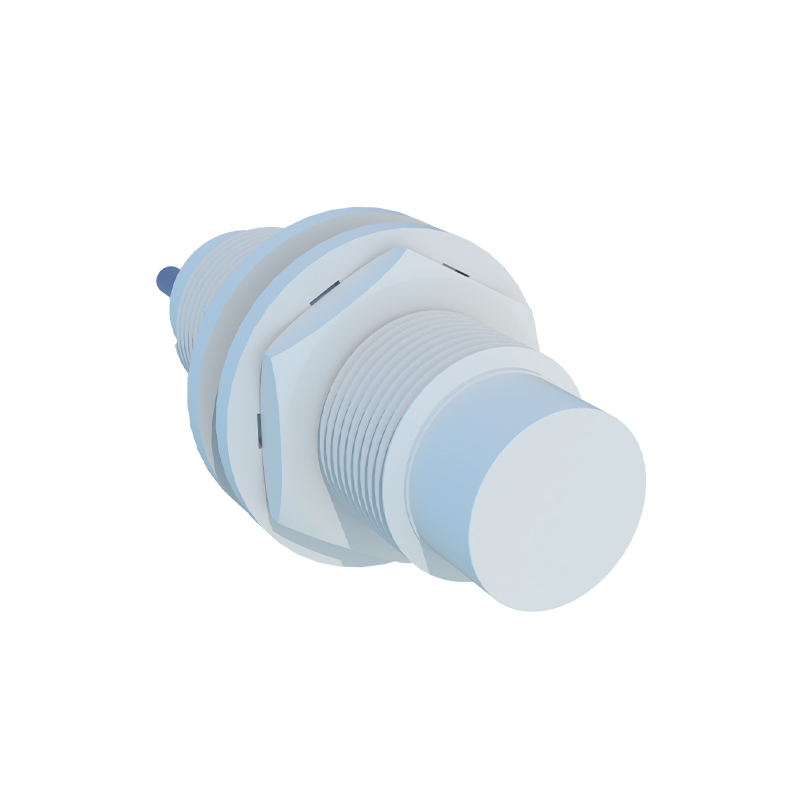
There are several types of explosion proof proximity sensors, including inductive, capacitive, and magnetic variants. Inductive sensors are commonly used for detecting metallic objects and operate by generating an electromagnetic field. Capacitive sensors can detect both metallic and non-metallic materials by measuring changes in capacitance. Magnetic sensors, often utilizing reed switches or Hall effect technology, are ideal for detecting permanent magnets. Each type has its unique advantages and is selected based on factors such as the target material, sensing distance, environmental conditions, and required response time.
Applications of these sensors span across numerous high-risk industries. In oil and gas refineries, they monitor valve positions, detect liquid levels, and ensure machinery alignment in areas where hydrocarbon vapors may be present. Chemical processing plants utilize them for inventory management, conveyor belt control, and safety interlocking systems. Mining operations rely on explosion proof sensors for equipment monitoring in methane-rich atmospheres. Additionally, they are integral in grain silos, pharmaceutical manufacturing, and paint spray booths where combustible dust or solvents pose a constant threat.
Selecting the right explosion proof proximity sensor requires careful consideration of several parameters. The ingress protection (IP) rating indicates the sensor's resistance to dust and moisture, with higher ratings like IP67 or IP68 being preferable for harsh environments. Temperature ranges must align with operational conditions, as extreme heat or cold can affect performance. Sensing distance, output type (e.g., PNP, NPN, analog, or IO-Link), and electrical specifications such as voltage and current ratings are also crucial. Furthermore, compliance with relevant certifications ensures legal and safety adherence, reducing liability risks.
The benefits of implementing explosion proof proximity sensors extend beyond mere regulatory compliance. They enhance workplace safety by minimizing the risk of catastrophic explosions, thereby protecting personnel and assets. Their non-contact nature reduces mechanical wear and tear, leading to lower maintenance costs and increased equipment longevity. High reliability and accuracy contribute to improved process efficiency, reducing downtime and optimizing productivity. Moreover, modern sensors often feature advanced diagnostics and connectivity options, enabling predictive maintenance and integration with Industry 4.0 systems for smarter, data-driven operations.
Installation and maintenance practices are vital to ensuring the ongoing effectiveness of these sensors. Proper mounting, alignment, and wiring according to manufacturer guidelines are essential to avoid false triggers or failures. Regular inspections should check for physical damage, corrosion, or seal degradation that could compromise explosion proof integrity. Calibration and testing at scheduled intervals help maintain optimal performance. It is also advisable to keep abreast of technological advancements, such as the development of intrinsically safe designs or sensors with enhanced resistance to electromagnetic interference.
In conclusion, explosion proof proximity sensors are indispensable tools in safeguarding industrial operations within hazardous areas. Their sophisticated design, coupled with rigorous certification standards, provides a reliable solution for object detection while mitigating explosion risks. As industries continue to prioritize safety and efficiency, the adoption of these sensors is likely to grow, driven by innovations that offer greater precision, durability, and connectivity. Engineers and decision-makers must stay informed about evolving standards and technologies to make informed choices that uphold both safety protocols and operational excellence.