In the rapidly evolving landscape of industrial automation, precision measurement and reliable detection are paramount. SIKE laser sensors have emerged as a critical component in this domain, offering unparalleled accuracy, durability, and versatility for a wide range of applications. These sensors utilize advanced laser technology to perform non-contact measurements, making them ideal for environments where physical contact could compromise product quality or sensor integrity.
The core technology behind SIKE laser sensors involves the emission of a focused laser beam towards a target object. The sensor then analyzes the reflected light to determine precise distance, position, or presence. This principle allows for high-speed, real-time data acquisition with micron-level accuracy. Common types include diffuse reflective sensors, which detect objects based on the reflection of the laser light, and through-beam sensors, where a separate receiver unit captures the beam interrupted by an object. Each type is engineered to meet specific industrial needs, from assembly line monitoring to robotic guidance systems.
One of the standout features of SIKE laser sensors is their robustness in harsh conditions. Designed with industrial-grade materials, they can withstand extreme temperatures, vibrations, and exposure to dust or moisture. This resilience ensures consistent performance in demanding settings such as manufacturing plants, logistics warehouses, and outdoor installations. Additionally, many models incorporate intelligent functions like automatic calibration, background suppression, and programmable logic outputs, simplifying integration into complex automation networks.
Applications of SIKE laser sensors span numerous sectors. In automotive manufacturing, they are used for precise part alignment and gap detection. In packaging industries, they ensure correct labeling and fill levels. In electronics, they facilitate component placement on circuit boards. The adaptability of these sensors is further enhanced by customizable options, including varying sensing ranges, response times, and communication protocols like IO-Link or Ethernet/IP. This flexibility allows engineers to tailor solutions to exact operational requirements, optimizing efficiency and reducing downtime.
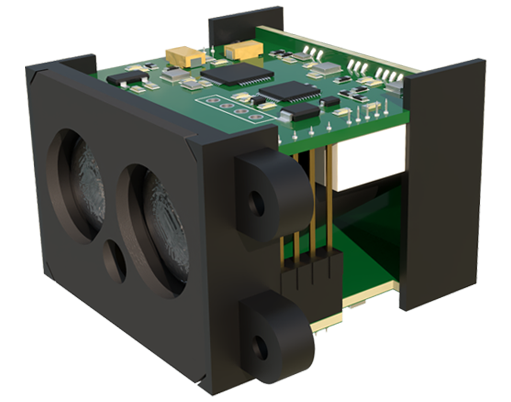
Looking ahead, the integration of SIKE laser sensors with Industry 4.0 technologies is driving smarter automation. By connecting sensors to IoT platforms, data from laser measurements can be analyzed for predictive maintenance, quality control analytics, and process optimization. This connectivity not only enhances operational visibility but also supports sustainable practices by minimizing waste and energy consumption. As industries continue to prioritize automation and precision, SIKE laser sensors are poised to play an increasingly vital role in shaping the future of manufacturing and beyond.
In conclusion, SIKE laser sensors represent a fusion of innovation and practicality in electrical engineering. Their ability to deliver accurate, non-contact measurements in challenging environments makes them indispensable tools for modern industrial systems. For engineers and technicians, understanding the capabilities and applications of these sensors is key to leveraging their full potential in driving productivity and technological advancement.