In the realm of automotive diagnostics, the behavior of oxygen sensors (O2 sensors) is a critical indicator of engine performance and emissions system health. A particularly nuanced scenario that often prompts technical inquiry is when the voltage readings from the front (upstream) and rear (downstream) oxygen sensors appear to be close or similar. This condition, while not inherently catastrophic, typically signals an underlying issue that requires systematic investigation.
Firstly, it is essential to recall the distinct roles of these two sensors. The front oxygen sensor, located before the catalytic converter, is primarily responsible for providing real-time feedback to the engine control module (ECM) regarding the air-fuel mixture. Its voltage signal fluctuates rapidly between rich (high voltage, typically around 0.8-1.0V) and lean (low voltage, typically around 0.1-0.3V) conditions in a properly functioning system. This dynamic signal allows the ECM to constantly adjust fuel injection, striving for the ideal stoichiometric ratio.
The rear oxygen sensor, situated after the catalytic converter, has a different mission. Its primary function is to monitor the efficiency of the catalytic converter. A healthy converter effectively stores and releases oxygen to complete the oxidation of unburned hydrocarbons and carbon monoxide and the reduction of nitrogen oxides. Consequently, the rear sensor's voltage signal should be relatively stable, showing slow oscillations with an average voltage near the midpoint (e.g., around 0.45-0.5V). It should not mirror the rapid swings of the upstream sensor.
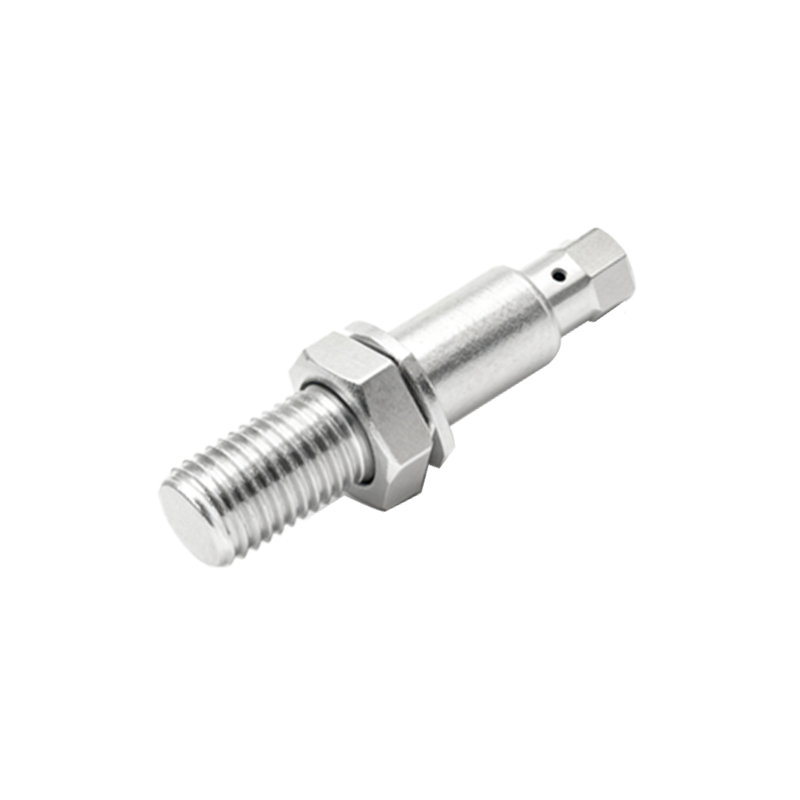
When the voltage patterns of both sensors become similar or "close," it often indicates that the catalytic converter is not performing its oxygen storage and conversion function effectively. This is frequently described as the converter being "dead" or "failed." In such a state, the exhaust gases pass through the converter largely unprocessed. The rear sensor then sees essentially the same exhaust composition as the front sensor, leading it to generate a similar, more dynamic voltage pattern. Technicians often refer to this as the rear sensor signal "mirroring" the front sensor signal.
However, a failed catalytic converter is not the sole culprit. Several other conditions can produce similar voltage readings:
1. Sensor Cross-Contamination or Wiring Issues: Although rare, a fault in the wiring harness, such as a short circuit between the sensor signal lines, could cause one sensor's signal to influence the other. More commonly, both sensors might be contaminated by the same external factor, like silicone from a leaking gasket or excessive engine oil consumption, causing both to read inaccurately.
2. Extreme Engine Conditions: An engine running extremely rich or extremely lean for a prolonged period can saturate the exhaust stream, potentially causing both sensors to peg at a high or low voltage, respectively. This is a symptom of a fuel control problem, not necessarily a sensor or converter fault.
3. Faulty Front Oxygen Sensor: A sluggish or biased front sensor that fails to create the proper rich/lean swings can result in a less dynamic signal. If this signal is already somewhat stable, the difference between it and a normally functioning rear sensor may appear minimal.
4. Exhaust Leaks: A significant exhaust leak before the rear sensor can introduce fresh air (oxygen) into the exhaust stream. This can cause the rear sensor to read artificially lean, potentially making its voltage pattern more active and closer to the front sensor's pattern, even if the converter is functioning.
Diagnostic Approach:
A proper diagnosis must move beyond simply observing that the voltages are "close." The key is to analyze the waveform patterns using a digital storage oscilloscope or a high-quality scan tool with graphing capabilities.
Functional Test: Under a steady throttle condition (e.g., 2500 RPM), observe the waveforms. A good converter will show a highly active upstream waveform and a dampened, nearly flat downstream waveform. If the downstream waveform becomes active and mimics the upstream frequency and amplitude, converter efficiency is suspect.
Data Parameter Review: Monitor both sensor voltages and short-term fuel trim (STFT). The front sensor's activity should correlate inversely with STFT adjustments. The rear sensor's activity should be minimal.
Active Commands: Use a scan tool to force the engine to run rich or lean (by commanding a specific fuel trim offset) and observe the sensor response times. The front sensor should react almost immediately; the rear sensor's reaction should be significantly delayed if the converter is working.
Physical Inspection: Always check for exhaust leaks, inspect sensor connectors and wiring for damage, and look for signs of contamination on the sensor elements.
In summary, similar voltage readings between front and rear O2 sensors are a strong diagnostic clue pointing towards a loss of catalytic converter efficiency. However, it is a symptom, not a definitive root cause.