In the realm of industrial automation and control systems, photoelectric proximity sensors stand as indispensable components for non-contact object detection. Among the various output configurations, the PNP type is widely prevalent, particularly in regions following European electrical standards. This article delves into the operational principles, wiring methodologies, application scenarios, and key selection criteria for PNP photoelectric proximity sensors, providing a thorough technical overview for electrical engineers and system integrators.
Fundamentally, a photoelectric proximity sensor operates by emitting a beam of light (typically infrared, red, or laser) and detecting changes in the received light signal. The core components include an emitter (light source) and a receiver (phototransistor or photodiode). Detection modes are primarily classified into three types: through-beam, retro-reflective, and diffuse reflective. The through-beam type, with separate emitter and receiver units, offers the longest sensing range and highest reliability. The retro-reflective type uses a single housing containing both elements and a reflector, bouncing the beam back. The diffuse reflective type detects objects by receiving light scattered directly from the target's surface, making it suitable for varied surface conditions.
The designation "PNP" refers to the transistor switching technology used in the sensor's output stage. In a PNP sensor, the output transistor switches the positive voltage supply line. In simpler terms, when an object is detected (sensor is active), the output terminal connects to the positive supply voltage (+V). When no object is present, the output is in a high-impedance state (effectively open). This is why PNP outputs are often described as "sourcing" outputs—they source current to the load.
Wiring a PNP sensor correctly is critical for system functionality and safety. A typical three-wire PNP sensor has connections for Brown (or +V), Blue (or 0V/Common), and Black (or Output). The brown wire is connected to the positive DC supply voltage (commonly 10-30V DC). The blue wire is connected to the power supply's negative terminal or 0V. The black wire is the switched positive output, which connects to the input of the programmable logic controller (PLC), relay, or other load device. The load itself is then connected between this black output wire and the 0V (blue wire) line. It is paramount to verify the sensor's datasheet for voltage ratings and wiring diagrams before installation. Incorrectly connecting a PNP sensor to a sinking (NPN) input on a PLC will result in a non-functional circuit.
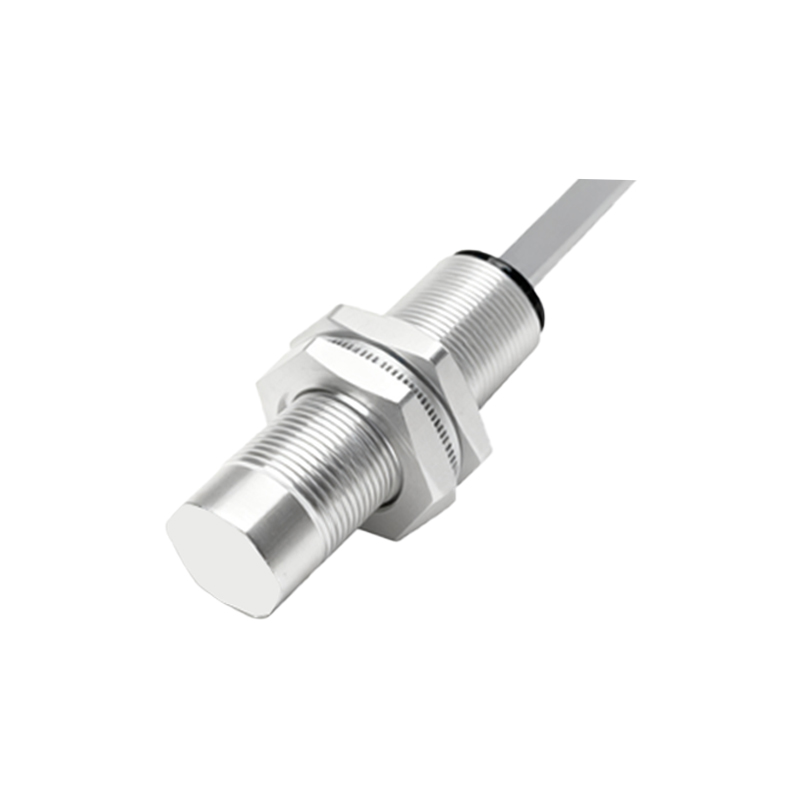
The advantages of PNP sensors are notable in many control architectures. They align seamlessly with the traditional "positive logic" where an active signal is represented by a positive voltage, which is intuitive for many design schematics. In fault-finding scenarios, troubleshooting a PNP circuit often involves checking for the presence of voltage at the output, a straightforward process with standard multimeters. Furthermore, in systems where multiple sensors need to share a common 0V reference, PNP wiring can simplify the common bus structure.
Application areas for PNP photoelectric sensors are vast. They are extensively used in packaging machinery for detecting product presence on conveyor belts, in material handling for counting and positioning, in automotive assembly lines for part verification, and in automated storage and retrieval systems for pallet detection. Their non-contact nature makes them ideal for detecting fragile, hot, or vibrating objects where physical contact switches would fail. The choice between through-beam, retro-reflective, and diffuse types depends entirely on the specific installation constraints, required sensing distance, object characteristics, and environmental factors like dust, fog, or ambient light.
When selecting a PNP photoelectric sensor, engineers must consider several parameters beyond just the output type. Sensing range is the maximum reliable detection distance. Response time dictates how quickly the sensor can react to a passing object, crucial for high-speed production lines. The housing material (often metal or plastic) must withstand the industrial environment, including exposure to oils, coolants, or washdowns (IP67, IP69K ratings). Light source type is another key factor; laser sensors provide precise, small-spot detection, while infrared LEDs are common for general purpose use, and some applications may require visible red light for easier alignment. Advanced features may include background suppression (for detecting objects against a similar-colored background), teach-in functionality for adjustable sensitivity, and IO-Link communication for smart sensor capabilities and diagnostics.
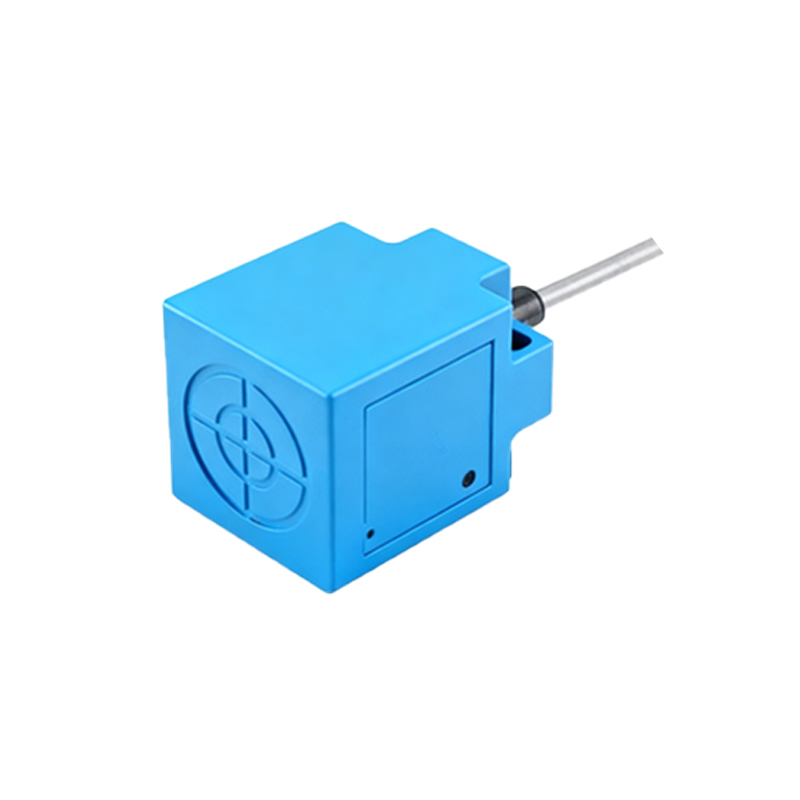
In conclusion, PNP photoelectric proximity sensors are a robust and reliable solution for a multitude of object detection challenges in modern industry. Their sourcing output configuration provides a logical and easily troubleshootable interface for control systems. A deep understanding of their operating modes, correct wiring practices, and careful selection based on application demands empowers electrical engineers to design more efficient, reliable, and maintainable automated systems. As technology progresses,