In modern industrial automation, the demand for precise, reliable, and durable sensing technology has never been greater. Among the various sensor types, laser sensors stand out for their high accuracy, fast response times, and non-contact measurement capabilities. However, their performance can be severely compromised when exposed to moisture, dust, oils, or extreme temperatures. This is where waterproof laser sensors become indispensable, providing robust solutions for challenging applications across manufacturing, automotive, food processing, and outdoor environments.
Waterproof laser sensors are specifically engineered to withstand ingress from liquids and solids. They typically adhere to international protection standards such as the IP (Ingress Protection) rating system. For instance, a sensor rated IP67 is dust-tight and can withstand temporary immersion in water up to 1 meter deep for 30 minutes. Higher ratings like IP68 or IP69K offer even greater protection against prolonged submersion or high-pressure, high-temperature washdowns common in food and beverage or pharmaceutical industries. The sealing mechanisms involve specialized gaskets, O-rings, and housings made from materials like stainless steel or engineered plastics that resist corrosion and chemical exposure.
The core technology of these sensors remains based on laser triangulation, time-of-flight, or confocal measurement principles. However, manufacturers integrate protective measures without sacrificing optical clarity or signal integrity. This includes using sealed optical windows with hydrophobic coatings to prevent water droplets from distorting the laser beam. Additionally, internal components are potted with epoxy or other compounds to shield electronics from humidity and thermal shocks. Such design considerations ensure that the sensor maintains micron-level accuracy even in humid, wet, or vibrating settings.
Applications are vast and varied. In automotive assembly lines, waterproof laser sensors monitor robotic welding and painting processes where coolant mists or oil sprays are present. In packaging machinery, they detect fill levels of liquids in bottles, requiring frequent sanitization with water or steam. Outdoor applications include monitoring water levels in reservoirs or detecting objects on conveyors exposed to rain. The agriculture sector employs them in automated harvesting equipment operating in dusty or damp conditions. By preventing false triggers and measurement errors, these sensors reduce downtime, maintenance costs, and improve overall system safety.
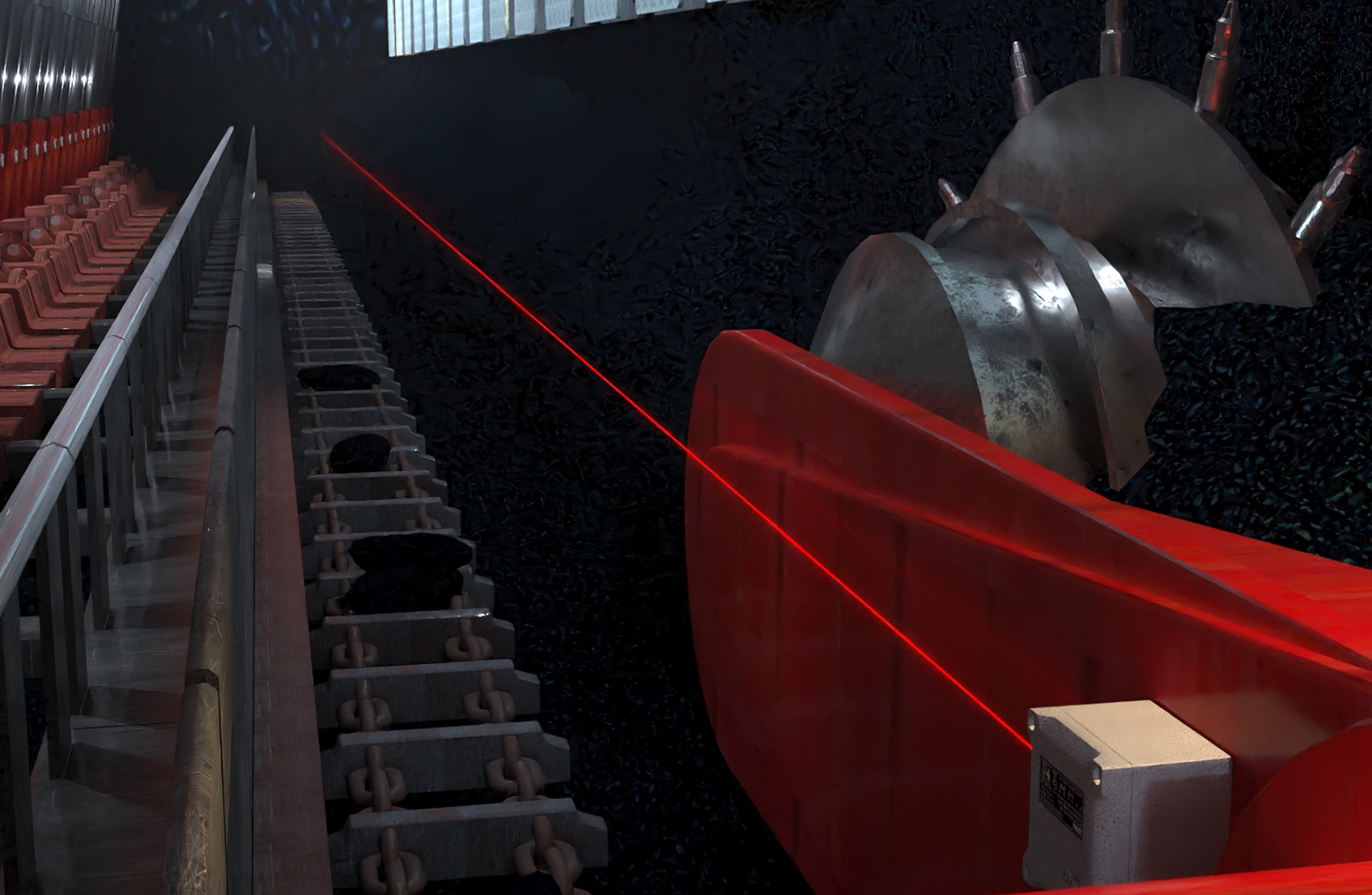
Selecting the right waterproof laser sensor involves evaluating several factors beyond the IP rating. Consider the operating temperature range, resistance to specific chemicals (e.g., acids, alkalis), mechanical robustness against impacts, and the required sensing distance and resolution. Communication interfaces (IO-Link, analog outputs, Ethernet) should also be compatible with existing control systems. Regular maintenance, though minimal, includes inspecting seals for wear and cleaning optical surfaces with appropriate solvents to ensure long-term reliability.
As Industry 4.0 and IoT integration advance, waterproof laser sensors are evolving with smart features like self-diagnostics, predictive maintenance alerts, and enhanced connectivity. These innovations further solidify their role in enabling continuous, data-driven operations in environments where moisture and contaminants are inevitable. Investing in high-quality waterproof laser sensors is not merely a technical choice but a strategic decision to enhance productivity and resilience in today’s demanding industrial landscape.