In modern industrial automation, laser sensors play a critical role in precision measurement, object detection, and quality control. However, a seemingly simple yet potentially catastrophic issue—laser sensor drop—can compromise system integrity, safety, and productivity. This article delves into the causes, consequences, and preventive measures for laser sensor drop incidents, offering insights for engineers and maintenance personnel.
Laser sensors are typically mounted on machinery, robotic arms, or fixed structures using brackets, bolts, or magnetic bases. Over time, factors such as vibration, thermal cycling, mechanical stress, and improper installation can loosen these mounting components. In high-speed production lines, continuous operation exacerbates wear and tear, leading to gradual displacement or sudden detachment. For instance, in automotive assembly plants, sensors used for weld inspection may experience intense vibrations, increasing the risk of drop if fasteners are not periodically checked.

Environmental conditions also contribute to sensor instability. Exposure to dust, moisture, or corrosive chemicals can degrade mounting materials, while temperature fluctuations cause expansion and contraction, weakening joints. In outdoor applications like logistics sorting systems, sensors face weather-related challenges that accelerate deterioration. Additionally, human error during installation—such as using incorrect torque settings or overlooking alignment—can create latent failures.

The consequences of a laser sensor drop are multifaceted. From a safety perspective, falling sensors pose injury risks to personnel and may damage adjacent equipment. Operationally, sensor misalignment or loss disrupts measurement accuracy, leading to defective products, production halts, and costly downtime. In sensitive industries like pharmaceuticals or electronics, even minor deviations can result in batch rejections. Financially, the direct costs include sensor replacement, repairs, and labor, while indirect costs involve lost revenue and compromised brand reputation.
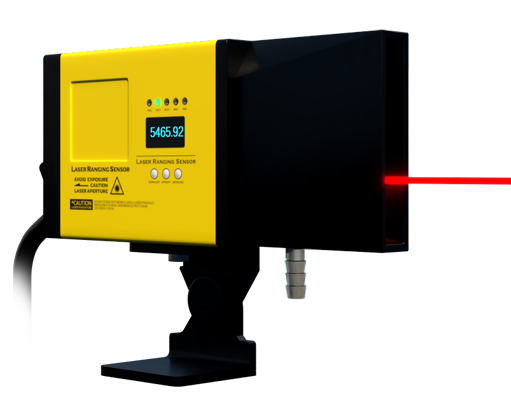
Prevention begins with robust mounting design. Engineers should select materials resistant to environmental stressors, such as stainless steel brackets for corrosive settings. Using locking mechanisms like thread-locking adhesives, spring washers, or double-nut systems enhances fastener security. Regular maintenance schedules must include visual inspections, torque checks, and vibration analysis. For critical applications, integrating secondary retention devices—safety cables or redundant mounts—provides an extra layer of protection.
Training personnel on proper installation protocols is equally vital. Technicians should follow manufacturer guidelines for torque values and alignment procedures. Implementing digital tools, such as IoT-enabled sensors with self-diagnostic capabilities, allows real-time monitoring of mounting integrity. These smart sensors can alert operators to loosening components before failure occurs. Furthermore, documenting installation dates and inspection logs helps track sensor lifecycle and predict maintenance needs.
In summary, laser sensor drop incidents are preventable through a combination of engineering diligence, routine maintenance, and technological integration. By addressing root causes proactively, industries can uphold safety standards, optimize operational efficiency, and minimize financial losses. As automation evolves, prioritizing sensor stability will remain key to sustaining reliable and productive industrial ecosystems.