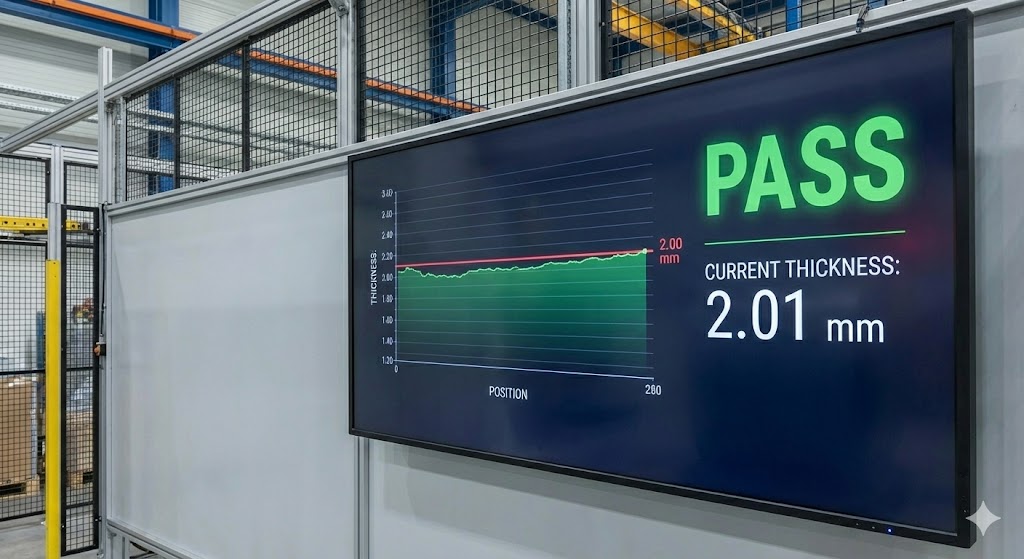
Laser sensors have become indispensable tools across a wide range of industries, offering unparalleled precision, reliability, and versatility. These devices operate by emitting a focused beam of light to detect, measure, or profile objects with exceptional accuracy. One of the primary advantages of laser sensors is their high-resolution measurement capability. Unlike conventional contact sensors, they perform non-contact measurements, eliminating the risk of damaging delicate surfaces or altering the properties of the target material. This feature is particularly valuable in sectors like semiconductor manufacturing, electronics assembly, and precision engineering, where even micron-level deviations can lead to significant quality issues.
Another significant benefit is the speed of response. Laser sensors can detect objects and measure distances at incredibly high speeds, making them ideal for high-throughput production lines and automated systems. In automotive manufacturing, for instance, laser sensors are used for real-time inspection of component dimensions, weld seam quality, and body panel alignment, ensuring consistent product quality while maintaining fast cycle times. The ability to provide instantaneous feedback allows for immediate corrective actions, reducing waste and improving overall operational efficiency.
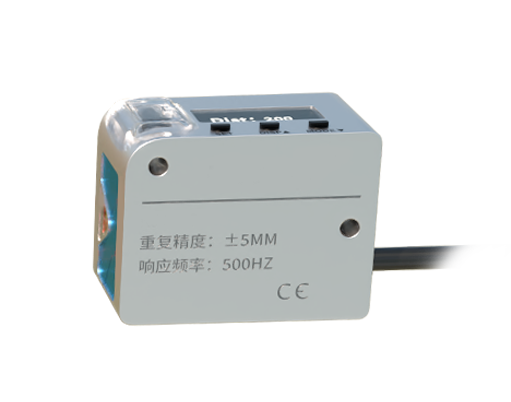
Durability and robustness in harsh environments further enhance the appeal of laser sensors. Many industrial-grade models are designed to withstand extreme temperatures, dust, vibration, and ambient light interference. This resilience ensures stable performance in challenging settings such as metal processing plants, chemical facilities, and outdoor logistics operations. Additionally, advancements in laser technology have led to the development of compact, energy-efficient sensors that integrate seamlessly into existing automation frameworks, supporting the trend toward smart factories and Industry 4.0 initiatives.
The versatility of laser sensors extends to diverse applications, including distance measurement, edge detection, contour profiling, and presence sensing. In logistics and warehousing, they facilitate automated guided vehicle (AGV) navigation and inventory management by accurately identifying object positions and dimensions. In the pharmaceutical industry, laser sensors ensure precise filling levels and packaging integrity, adhering to stringent regulatory standards. Furthermore, their use in safety systems—such as laser scanners for machinery guarding—helps protect personnel by creating invisible protective fields that halt equipment when breached.
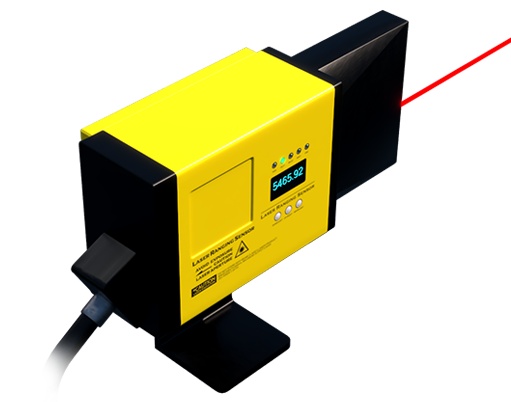
Despite the higher initial investment compared to some traditional sensors, the long-term return on investment (ROI) is compelling. Reduced maintenance needs, lower downtime, enhanced product quality, and increased production speeds contribute to significant cost savings over time. As industries continue to prioritize automation and precision, laser sensors are poised to play an even more critical role in driving innovation and competitiveness. Their ability to deliver accurate, reliable data in real-time empowers engineers and operators to optimize processes, ensure safety, and achieve superior operational outcomes.
In summary, laser sensors offer a combination of precision, speed, durability, and adaptability that is unmatched by many alternative sensing technologies. By enabling non-contact, high-accuracy measurements across various conditions, they support efficiency, quality control, and automation advancements in modern industrial landscapes. As technology evolves, ongoing improvements in laser sensor design and functionality will likely expand their applications, solidifying their status as essential components in contemporary engineering and manufacturing ecosystems.