In the realm of industrial automation, the precise control of electric motors is paramount for efficiency, safety, and productivity. Among the myriad of technologies enabling this precision, proximity sensors stand out as a fundamental and versatile component. These non-contact sensing devices are integral to modern motor control systems, providing critical feedback for position, speed, and direction without physical interaction with moving parts.
A proximity sensor detects the presence or absence of a target object within its sensing range. Common types used in motor control applications include inductive sensors for metallic targets, capacitive sensors for non-metallic materials, and magnetic sensors (like Hall-effect sensors) for detecting magnetic fields. The core principle involves generating an electromagnetic field or beam; when a target enters this field, it causes a change in the sensor's oscillation or signal, which is then converted into an electrical output signal. This signal serves as a direct input to a motor controller or a Programmable Logic Controller (PLC).
The integration of proximity sensors into motor control systems facilitates several key functions. Primarily, they are used for precise positioning. In applications such as conveyor systems, robotic arms, or CNC machines, motors must move loads to exact locations. Proximity sensors act as limit switches or reference point detectors. For instance, a sensor placed at a "home" position provides a zero-reference signal, ensuring the motor starts each cycle from a known, repeatable point. Multiple sensors along a path can define different positions, enabling complex sequential movements.
Secondly, proximity sensors are crucial for speed and rotational control. By mounting a target, such as a gear tooth or a metallic flag, on a motor's rotating shaft, a proximity sensor can generate a pulse train corresponding to the shaft's rotation. This pulse signal is fed into the control system to calculate real-time speed (RPM). In closed-loop control systems, like those using variable frequency drives (VFDs) or servo drives, this feedback is compared with the setpoint speed. Any deviation triggers an immediate corrective adjustment to the motor's power supply, ensuring consistent speed under varying loads. This is vital in processes like winding, extrusion, or pumping.
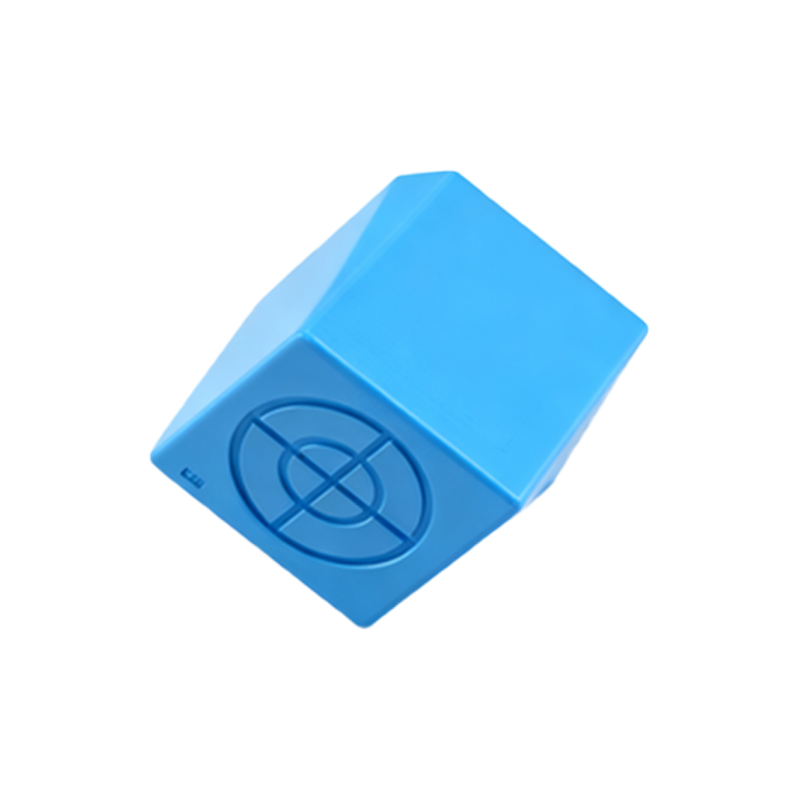
Direction detection is another critical application. Using two sensors slightly offset from each other, the control system can determine the direction of rotation by analyzing the sequence in which the sensors are triggered. This information is essential for reversible motors in applications like automated gates, hoists, or bidirectional conveyors, preventing operational errors and potential damage.
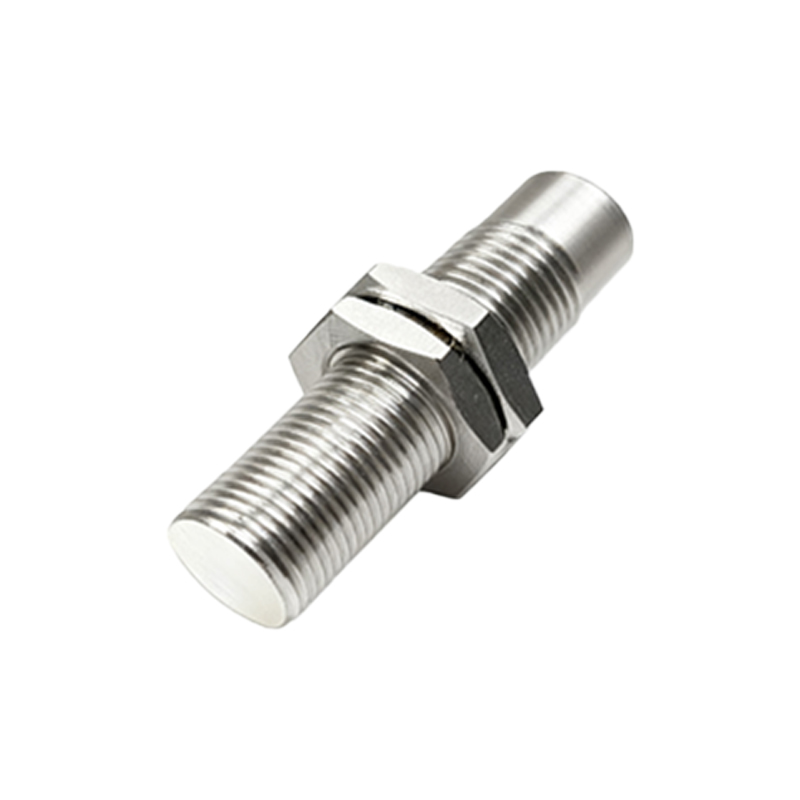
Safety is a paramount concern in motor-driven machinery. Proximity sensors enhance safety by implementing zone control and emergency stopping. Safety-rated sensors can detect if a person or object enters a hazardous area near a moving motor, sending a signal to instantly cut power or initiate a safe stop procedure. They also monitor for abnormal conditions, such as an object jammed in a mechanism, preventing motor overload and equipment failure.
The advantages of using proximity sensors for motor control are significant. Their non-contact nature eliminates mechanical wear and tear associated with physical limit switches, leading to higher reliability and longer service life. They offer fast response times, suitable for high-speed applications. Being largely immune to environmental factors like dust, oil, and moisture (depending on the IP rating), they perform reliably in harsh industrial settings. Furthermore, their solid-state design ensures maintenance-free operation.
Implementation requires careful consideration. Engineers must select the appropriate sensor type (inductive, capacitive, magnetic) based on the target material. The sensing distance, or range, must be specified correctly to ensure reliable detection without false triggers. Output type (PNP/NPN, analog, or IO-Link) must be compatible with the motor controller's input module. Proper mounting and shielding are necessary to avoid electrical interference from motor windings or drive circuits, which can cause erratic signals.
In advanced systems, smart proximity sensors with IO-Link communication provide additional benefits. They can transmit not just a simple on/off signal but also diagnostic data like operating temperature, signal strength, and device health to the controller. This facilitates predictive maintenance, allowing issues to be addressed before they cause motor downtime.
From simple on/off control of a conveyor motor to the complex, synchronized motion in a multi-axis robotic cell, proximity sensors provide the essential "eyes" for the control system. They translate physical world events into actionable electronic data, enabling motors to operate with the intelligence, precision, and safety required by modern industrial automation. As motor control strategies evolve towards greater connectivity and intelligence within Industry 4.0 frameworks, the role of robust and smart proximity sensing will only become more deeply embedded and critical.