In the realm of luxury SUVs, the Land Rover Range Rover stands as a paragon of engineering sophistication, seamlessly blending off-road prowess with on-road refinement. A critical, yet often understated, component contributing to this seamless experience is its advanced suite of proximity sensors. These systems, far from being mere parking aids, represent a deeply integrated network of electronic sentinels that enhance safety, convenience, and overall vehicle integrity. This article delves into the engineering principles, operational modalities, and practical benefits of these sensors from a professional electrical engineering perspective.
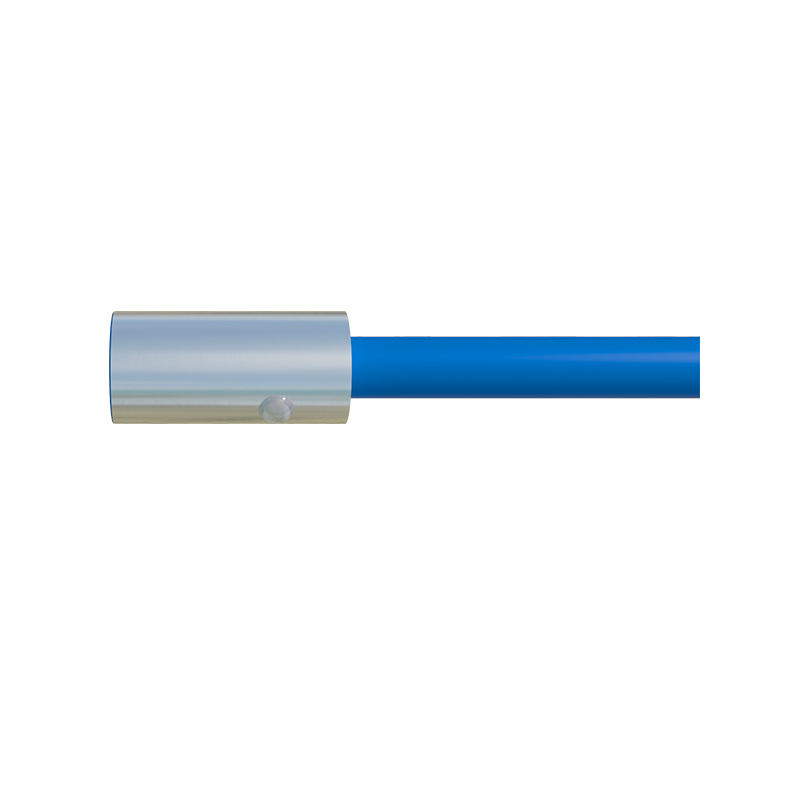
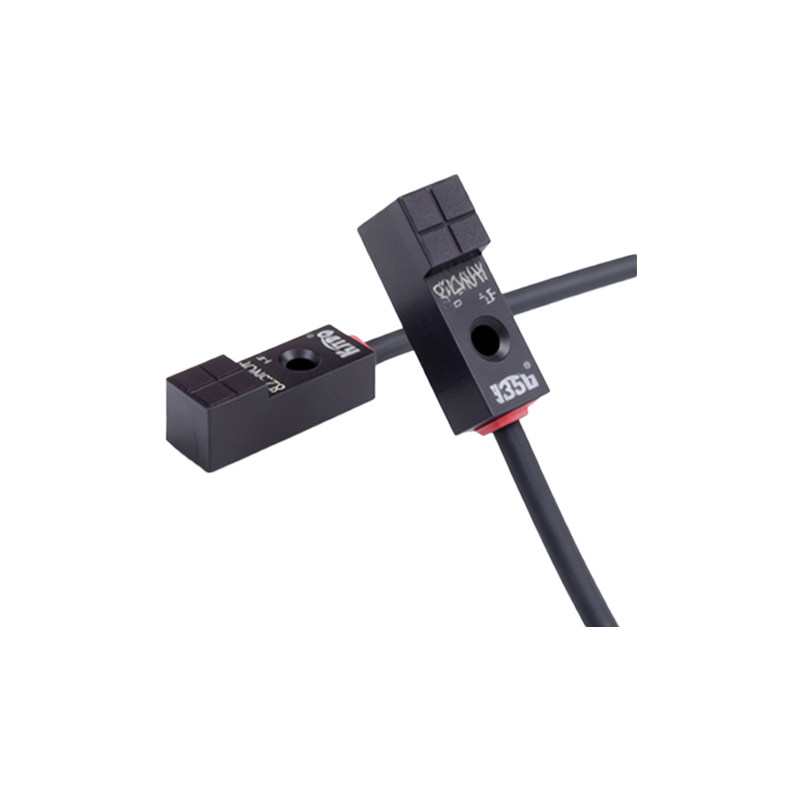
At its core, a proximity sensor in a modern Range Rover is a type of rangefinder. The most common technology employed is ultrasonic sensing. Strategically embedded within the vehicle's bumpers and sometimes body panels, these ultrasonic transducers operate by emitting high-frequency sound waves (typically 40-50 kHz) imperceptible to human hearing. When these waves encounter an obstacle, they are reflected back to the sensor. An onboard electronic control unit (ECU), often a dedicated Parking Aid Module (PAM), precisely calculates the time delay between emission and reception. Using the known speed of sound, the ECU computes the distance to the object with remarkable accuracy. This data is then relayed to the driver through an intuitive multi-modal feedback system.
The driver interface is a masterpiece of human-machine interaction (HMI). Auditory cues begin with intermittent beeps that increase in frequency as the obstacle nears, culminating in a continuous tone at a predefined critical distance—often around 30 centimeters. This is complemented by a visual display on the infotainment touchscreen or the instrument cluster, providing a graphical top-down representation of the vehicle and its surroundings. Color-coding—typically green, amber, and red—provides an immediate, at-a-glance understanding of proximity zones. In higher trims and newer models, this system integrates seamlessly with the 360-degree surround camera system, creating a composite bird's-eye view that virtually eliminates blind spots.
However, the application of proximity sensing extends beyond low-speed maneuvering. Modern Range Rovers incorporate these sensors into more complex Advanced Driver-Assistance Systems (ADAS). For instance, the sensors can act as triggers for Cross Traffic Alert and Rear Collision Monitoring. When reversing out of a parking space, the side sensors monitor the lateral zones for approaching vehicles or pedestrians, providing audible and visual warnings even before the driver has a direct line of sight. Furthermore, the system interfaces with other vehicle domains. In some configurations, the proximity sensors can communicate with the powertrain control module to induce a slight torque reduction or with the electric power steering to provide subtle haptic feedback through the wheel, adding a layer of active safety.
From a diagnostic and service standpoint, these systems are engineered for robustness but require specialized tools for troubleshooting. Common fault codes related to the Parking Aid Module (e.g., in Land Rover's proprietary SDD or JLR Pathfinder diagnostic software) may indicate issues like "Sensor Circuit Short to Ground," "Signal Plausibility Failure," or "Communication Bus Fault." Environmental factors such as accumulated dirt, ice, or damage to the sensor's polymer face can cause false readings or system deactivation. Each sensor is a calibrated unit; replacement typically requires system recalibration to ensure measurement consistency across the sensor array. Technicians must also be mindful of the system's network architecture, as the PAM communicates over the vehicle's High-Speed CAN (Controller Area Network) bus, sharing data with the central gateway, body control module, and infotainment unit.
The evolution of this technology points toward sensor fusion. Next-generation Range Rover models are beginning to integrate ultrasonic data with inputs from short-range radar and camera-based vision systems. This fusion creates a more reliable and comprehensive environmental model, allowing for more advanced functionalities like automated parking assist and low-speed obstacle avoidance. The electrical architecture supporting this is moving towards domain controllers and Ethernet-based communication for higher bandwidth and lower latency.
In conclusion, the proximity sensors on a Land Rover Range Rover are a quintessential example of applied electrical and software engineering enhancing the automotive experience. They transform a simple physical measurement into a rich stream of data that informs multiple vehicle systems and the driver. This network of ultrasonic sentinels is not an accessory but a fundamental pillar of the vehicle's active safety and luxury character, embodying the meticulous attention to detail that defines the Range Rover brand. For engineers and enthusiasts alike, understanding this system reveals the intricate electronic tapestry woven into the fabric of this iconic vehicle.