Material laser sensors have become indispensable components in modern industrial automation, offering unparalleled precision, reliability, and versatility. These sensors operate on the principle of laser triangulation or time-of-flight measurement, emitting a focused laser beam towards a target material. The reflected light is captured by a receiver, and sophisticated onboard electronics calculate critical parameters such as distance, presence, thickness, or profile with micron-level accuracy. Unlike traditional mechanical or ultrasonic sensors, laser sensors provide non-contact measurement, eliminating wear and tear and preventing damage to delicate materials. This capability is crucial in high-speed production lines where physical contact is impractical or undesirable.
The core applications of material laser sensors span across numerous sectors. In automotive manufacturing, they are deployed for precise gap and flush measurement between body panels, ensuring superior build quality. Within the electronics industry, these sensors verify component placement on printed circuit boards (PCBs) and measure the thickness of semiconductor wafers. Packaging lines utilize them for fill-level detection, label positioning, and checking seal integrity. Furthermore, in metal processing, laser sensors accurately gauge material thickness, monitor coil diameter, and control cutting tools. Their ability to function effectively on a wide range of surface types—including shiny, dark, transparent, or textured materials—makes them exceptionally adaptable. Advanced models incorporate algorithms to compensate for challenging surface characteristics, ensuring stable readings under variable conditions.
Selecting the appropriate material laser sensor requires careful consideration of several technical specifications. The measuring range defines the minimum and maximum distances over which the sensor can operate accurately. Resolution indicates the smallest detectable change in position, vital for high-precision tasks. The laser spot size is another critical factor; a smaller spot allows for measurement on very small features or edges. Response time, or the sensor's processing speed, must be fast enough to keep pace with production throughput. Environmental robustness is equally important; industrial-grade sensors feature rugged housings with high Ingress Protection (IP) ratings to withstand dust, moisture, vibration, and electromagnetic interference commonly found in factory settings.
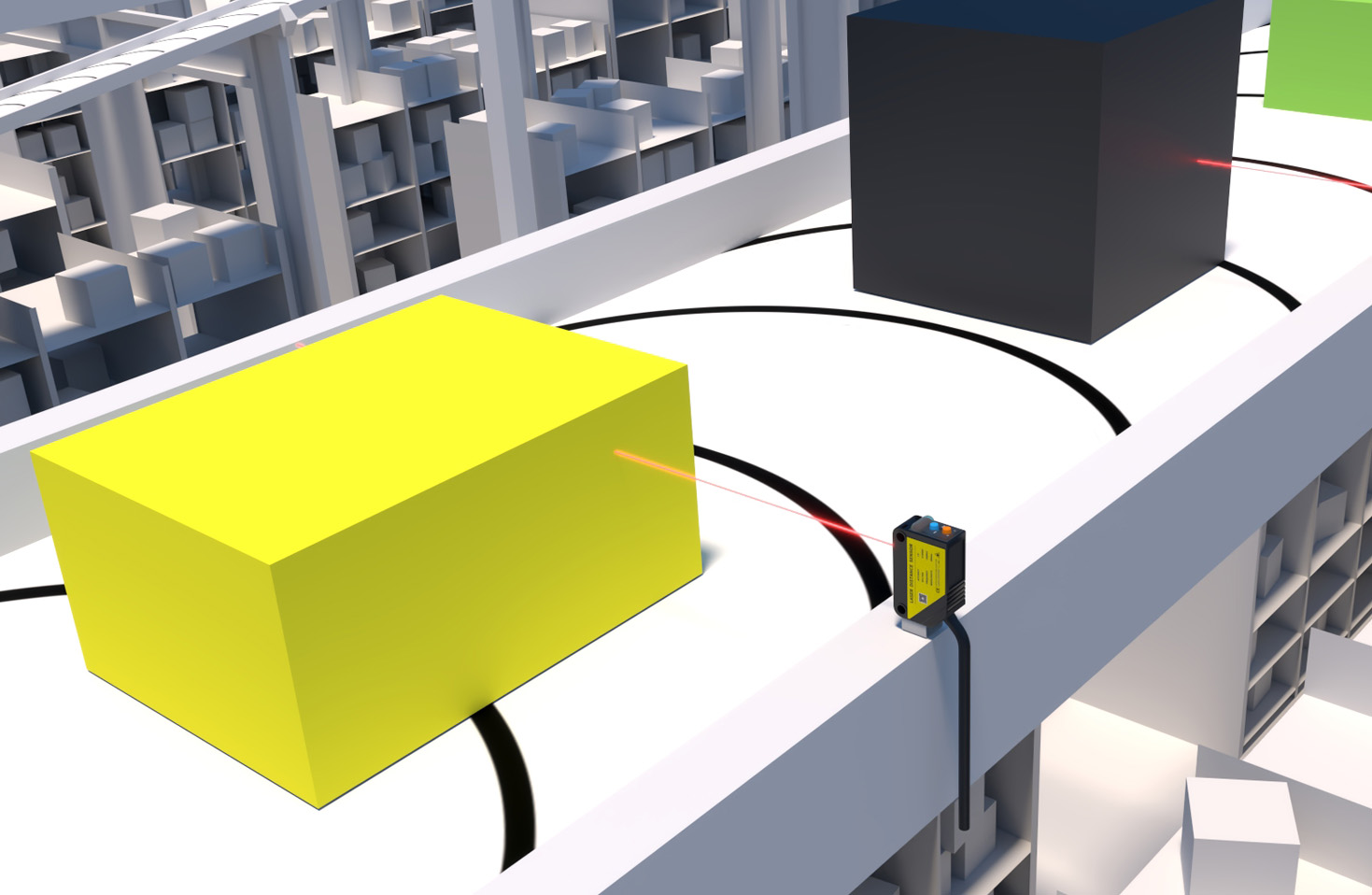
Integration into automated systems is streamlined through various output options and communication protocols. Standard digital outputs (PNP/NPN) and analog outputs (4-20 mA, 0-10 V) allow for direct connection to Programmable Logic Controllers (PLCs). For more complex networking, sensors support industrial fieldbus protocols like PROFINET, EtherNet/IP, and IO-Link. IO-Link, in particular, enables advanced functionalities such as remote parameter configuration, real-time diagnostics, and predictive maintenance data exchange, transforming the sensor from a simple switching device into a smart node within the Industrial Internet of Things (IIoT) ecosystem.
The future trajectory of material laser sensor technology points toward greater intelligence and miniaturization. Integration with artificial intelligence and machine vision is enhancing pattern recognition and anomaly detection capabilities, allowing sensors to make autonomous decisions. Developments in blue laser technology offer improved performance on organic materials like wood or rubber, which traditionally absorb standard red laser light. As Industry 4.0 initiatives advance, the role of these sensors as critical data sources for digital twins and cyber-physical systems will only expand, driving further efficiencies in quality control, logistics, and overall equipment effectiveness (OEE). Their continued evolution solidifies their position as a foundational technology for smart, responsive, and highly efficient manufacturing operations.
