In today's highly automated industrial landscape, proximity sensors are indispensable components. They enable non-contact detection of objects, playing a critical role in manufacturing, packaging, robotics, and automotive assembly lines. Whether you are an engineer designing a new system, a maintenance technician troubleshooting an issue, or a procurement specialist sourcing components, knowing how to find the correct contact information for proximity sensor support is essential. This guide provides a structured approach to obtaining reliable contact details for suppliers, manufacturers, and technical support teams.
The first and most direct source is the manufacturer's official website. Reputable companies like Omron, Schneider Electric, Siemens, Pepperl+Fuchs, and Balluff maintain comprehensive "Contact Us" or "Support" sections. These pages typically list regional office addresses, general inquiry phone numbers, and dedicated technical support hotlines. Often, they provide separate contacts for pre-sales technical consultations and after-sales service, ensuring you reach the right department quickly. It is advisable to have your sensor's model number and application details ready before calling, as this significantly speeds up the support process.
For immediate technical assistance, many global manufacturers offer 24/7 support lines, especially for critical industries. These numbers are usually prominently displayed on their websites. When contacting technical support, be prepared to describe the problem clearly: the sensor's environment, the target material, error indicators, and the symptoms. This preparation leads to more efficient problem resolution. Additionally, most companies now provide extensive online resources, such as downloadable datasheets, application notes, wiring diagrams, and FAQ libraries, which can often answer common questions without a phone call.
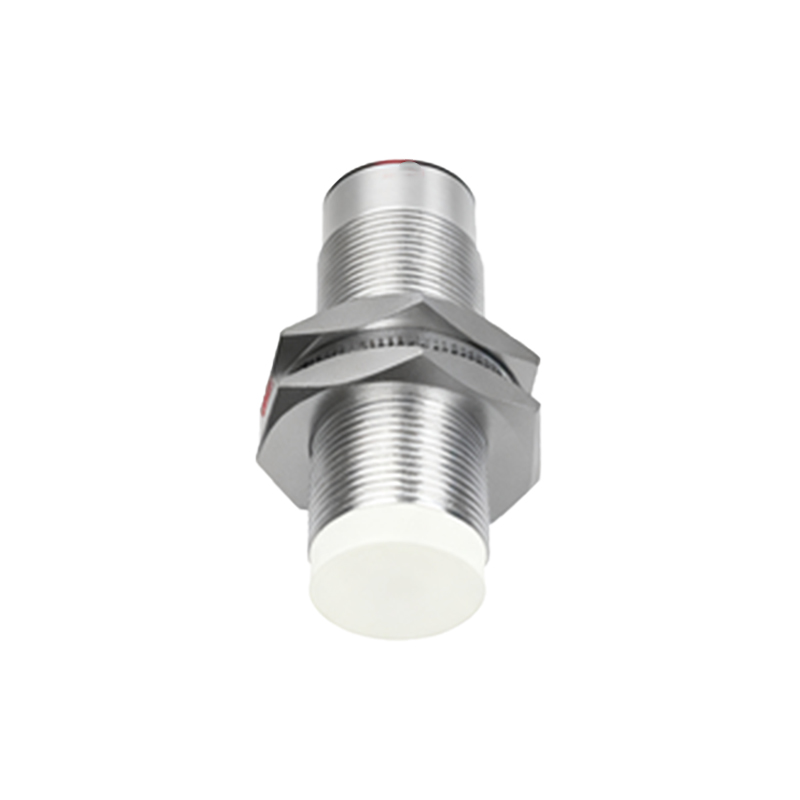
If you are looking for local distributors or sales representatives, manufacturer websites often have a "Where to Buy" or "Find a Distributor" tool. By entering your country or postal code, you can locate authorized partners near you. These local distributors are invaluable contacts. They not only handle sales but also provide localized technical support, quicker delivery, and often have deeper knowledge of regional market applications. Building a relationship with a trusted local supplier can be more beneficial than contacting a distant headquarters for routine inquiries.
In cases where you have a sensor from a lesser-known brand or an integrated system, identifying the original manufacturer can be a challenge. Start by examining the sensor housing for any branding, part numbers, or certification marks. Searching these identifiers online can lead you to the maker's website. For obsolete or discontinued models, specialized industrial automation distributors or independent repair service companies can be excellent contacts. They may have cross-reference charts, compatible replacements, and the expertise to support legacy equipment.
Online professional networks and industry forums have become modern contact points. Platforms like LinkedIn host company pages and profiles of application engineers and product managers. While not a replacement for official support channels, these platforms can sometimes facilitate connections for complex project discussions. Furthermore, dedicated engineering forums often have communities where professionals share experiences and solutions for specific sensor issues, though direct manufacturer contact remains the most authoritative source for confirmation.
When preparing to contact a supplier, clarity is key. Define whether your need is for product selection, pricing, delivery schedules, or technical troubleshooting. For procurement, have your required specifications, quantities, and target timeline ready. For technical issues, gather all relevant system information. This proactive approach respects the support team's time and increases the likelihood of a satisfactory outcome on the first contact. Remember, accurate and accessible contact information is the bridge between sensor technology and its successful application in your operations.