In the realm of industrial automation, precision, reliability, and durability are non-negotiable. Mechanical proximity sensors, often the unsung heroes on factory floors and within complex machinery, play a pivotal role in detecting the presence or absence of an object through physical contact. Unlike their non-contact counterparts, these sensors rely on a mechanical actuator—like a plunger or lever—to trigger an internal electrical switch. Selecting the right brand is crucial for ensuring seamless operations, minimizing downtime, and safeguarding long-term investments. This guide explores leading manufacturers renowned for their engineering excellence, product robustness, and innovation in mechanical proximity sensing technology.
At the forefront stands Omron, a Japanese multinational with a formidable reputation in industrial automation. Omron’s mechanical limit switches, such as those in their D4N and V series, are industry benchmarks. They are celebrated for exceptional precision, high repeat accuracy, and rugged construction designed to withstand harsh environments involving oil, dust, and vibrations. Omron integrates advanced sealing technologies and offers a vast array of actuator styles, head shapes, and contact configurations, providing engineers with unparalleled flexibility for diverse applications, from conveyor systems to robotic end-effectors.
Another titan in the field is Sick AG, a German sensor specialist. Sick’s mechanical sensor portfolio, though part of a broader range of sensing solutions, is engineered with the same meticulous attention to detail. Their products are known for superior mechanical life, often exceeding millions of operating cycles. Sick emphasizes safety and diagnostics, with many switches featuring clear status indicators and robust housings that meet stringent international protection (IP) and safety standards. For applications in logistics, packaging, and heavy machinery where failure is not an option, Sick provides reliable, maintenance-free performance.
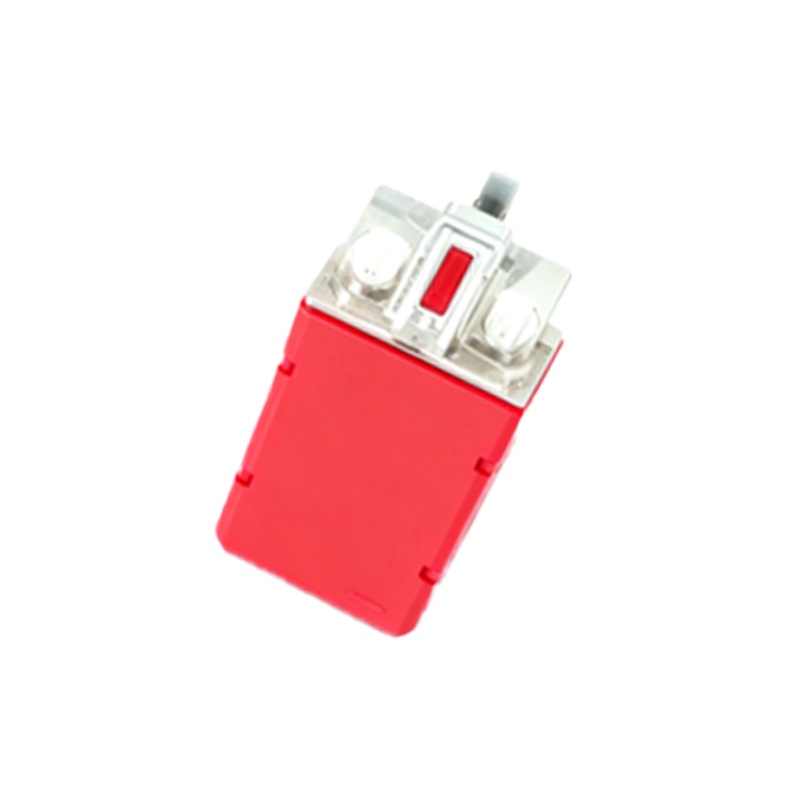
Rockwell Automation (Allen-Bradley) is a dominant force, particularly in North America. Their Bulletin 802T and 802R mechanical limit switches are staples in countless manufacturing plants. Allen-Bradley products are synonymous with integration within larger control ecosystems, like their PlantPAx and Logix platforms. This brand is the go-to choice for facilities running comprehensive Rockwell architecture, as it ensures seamless communication, simplified wiring, and easier troubleshooting. Their sensors are built for industrial toughness, with a focus on easy installation and replacement to reduce maintenance windows.
For engineers seeking extreme durability and versatility, Pepperl+Fuchs, another German powerhouse, offers exceptional solutions. They specialize in sensors for hazardous areas and demanding conditions. Their mechanical proximity switches often feature stainless steel housings, hermetic sealing, and approvals for use in explosive atmospheres (ATEX, IECEx). Pepperl+Fuchs is particularly strong in the chemical, pharmaceutical, and oil & gas industries, where sensor integrity is critical for both process reliability and personnel safety. Their modular design philosophy also allows for customized actuator and contact block combinations.
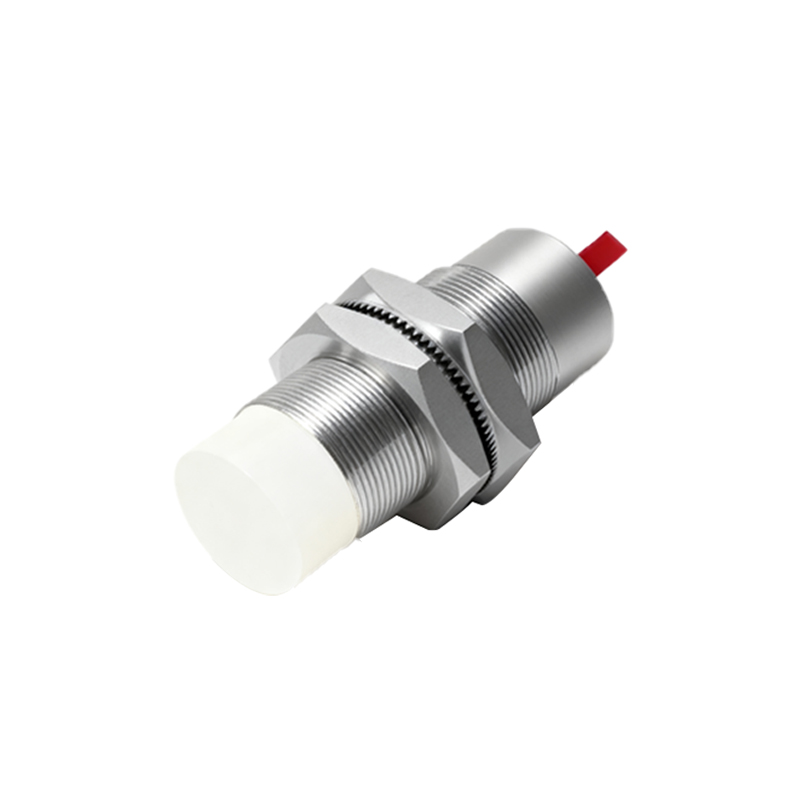
Schneider Electric (Telemecanique Sensors) brings a legacy of French engineering excellence. The XC series of limit switches from Telemecanique is globally recognized for its compact design, reliability, and cost-effectiveness. Schneider excels at providing robust basic switches that deliver consistent performance without unnecessary complexity. They offer a wide variety of operating heads and bodies, making them a popular choice for OEMs (Original Equipment Manufacturers) who need reliable components for integration into their own machines, from agricultural equipment to elevator controls.
Emerging and specialized brands also make significant contributions. Honeywell, with its rich history in sensing and control, produces highly reliable mechanical switches for aerospace, military, and severe-duty industrial applications. Eaton, through its Cutler-Hammer products, provides dependable and economical options for general industrial use. Meanwhile, brands like Bernstein of Germany are renowned for their safety interlock switches and robust mechanical design for machine guarding applications.
Choosing the right brand extends beyond the sensor unit itself. It involves evaluating global support networks, availability of spare parts, technical documentation clarity, and compatibility with existing control systems. A switch from Omron or Sick might represent a premium investment but pays dividends in reduced failure rates. Conversely, for less critical or high-volume applications, the value proposition from Schneider or Eaton might be optimal.
In conclusion, the landscape of mechanical proximity sensor brands is populated by established leaders each with distinct strengths. Omron and Sick set high bars for precision and durability, Rockwell Automation excels in integrated control systems, Pepperl+Fuchs dominates in hazardous environments, and Schneider Electric offers reliable, value-oriented solutions. The optimal choice hinges on a careful analysis of the specific application requirements, environmental challenges, and the broader automation ecosystem. Investing in quality mechanical sensors from these reputable manufacturers is a foundational step toward building resilient, efficient, and productive automated operations.