In the ever-evolving landscape of technology, microsensors stand as silent yet powerful sentinels, transforming how we interact with the world. These miniature devices, often no larger than a grain of sand, are engineered to detect and measure physical, chemical, or biological phenomena with remarkable precision. Their applications span across industries, from healthcare and automotive to environmental monitoring and consumer electronics, making them indispensable components in the push toward smarter, more connected systems.
The core principle behind microsensors lies in their ability to convert real-world signals into measurable electrical data. This is achieved through advanced microfabrication techniques, such as photolithography and etching, which allow for the creation of intricate structures on silicon wafers. For instance, a pressure microsensor might utilize a tiny diaphragm that flexes under force, altering electrical resistance, while a chemical microsensor could employ specialized coatings that react to specific gases. The miniaturization not only reduces costs and energy consumption but also enables integration into compact devices, like wearables or implantable medical tools.
One of the most impactful domains for microsensors is healthcare. Imagine a glucose monitor embedded in a contact lens, continuously tracking blood sugar levels without invasive needles, or a pill-sized sensor that travels through the digestive tract, relaying data to doctors in real-time. These innovations enhance patient care by providing continuous, accurate monitoring, leading to early diagnosis and personalized treatment plans. Similarly, in automotive systems, microsensors contribute to safety and efficiency—accelerometers detect collisions for airbag deployment, while tire-pressure sensors alert drivers to potential hazards, reducing accidents and improving fuel economy.
Environmental sustainability also benefits from these tiny giants. Microsensors deployed in networks can monitor air quality, detecting pollutants like carbon monoxide or particulate matter in urban areas. They are used in agriculture to measure soil moisture and nutrient levels, optimizing irrigation and reducing water waste. By offering real-time data, they empower communities and industries to make informed decisions, mitigating ecological damage and promoting resource conservation.
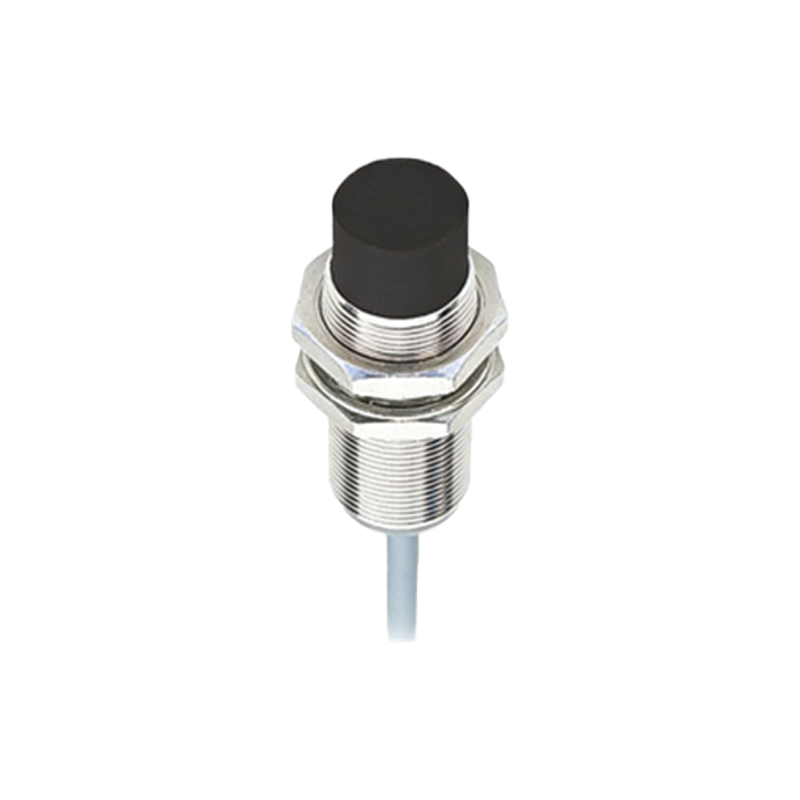
Despite their advantages, challenges persist in the development and deployment of microsensors. Issues such as power management, data security, and long-term reliability in harsh environments require ongoing research. Innovations in energy harvesting—like using ambient light or vibration—aim to create self-sustaining sensors, while advancements in materials science enhance durability. Moreover, the rise of the Internet of Things (IoT) amplifies their potential, as microsensors form the backbone of interconnected smart systems, from smart homes to industrial automation.
Looking ahead, the future of microsensors is poised for exponential growth. Emerging trends include the integration of artificial intelligence for predictive analytics, enabling sensors to not just collect data but also interpret patterns and trigger autonomous responses. In biomedicine, researchers are exploring nano-scale sensors capable of detecting single molecules, opening doors to unprecedented diagnostic capabilities. As fabrication techniques become more accessible, costs will drop, further democratizing their use in everyday life.
In conclusion, microsensors represent a paradigm shift in measurement and monitoring, bridging the gap between the physical and digital realms. Their small size belies their profound impact, driving innovation across sectors and enhancing quality of life. By understanding and embracing these technologies, we step closer to a future where intelligence is seamlessly woven into the fabric of our world, one tiny sensor at a time.