Laser sensor proximity switches have become indispensable components in modern industrial automation, offering unparalleled precision, reliability, and versatility. These devices utilize laser technology to detect the presence, absence, or position of objects without physical contact, making them ideal for applications where hygiene, speed, or accuracy is critical. Unlike traditional inductive or capacitive proximity sensors, laser-based switches operate by emitting a focused beam of light toward a target. The sensor then analyzes the reflected light to determine distance or detect an object within a specified range. This principle allows for extremely high resolution and repeatability, often down to micrometer levels, enabling precise control in manufacturing, packaging, robotics, and quality inspection systems.
One of the key advantages of laser proximity switches is their ability to function effectively over long distances compared to other non-contact sensors. While standard photoelectric sensors may struggle with ranges beyond a few meters, laser variants can reliably detect objects at distances of up to several hundred meters, depending on the model and environmental conditions. This makes them suitable for large-scale operations such as material handling in warehouses, vehicle detection in logistics, or monitoring conveyor systems in mining. Additionally, laser sensors are less susceptible to interference from ambient light, dust, or color variations of the target object, thanks to advanced modulation techniques and narrow beam characteristics. Many models incorporate background suppression technology, which allows them to ignore reflections from surfaces beyond the set sensing range, reducing false triggers and enhancing operational stability.
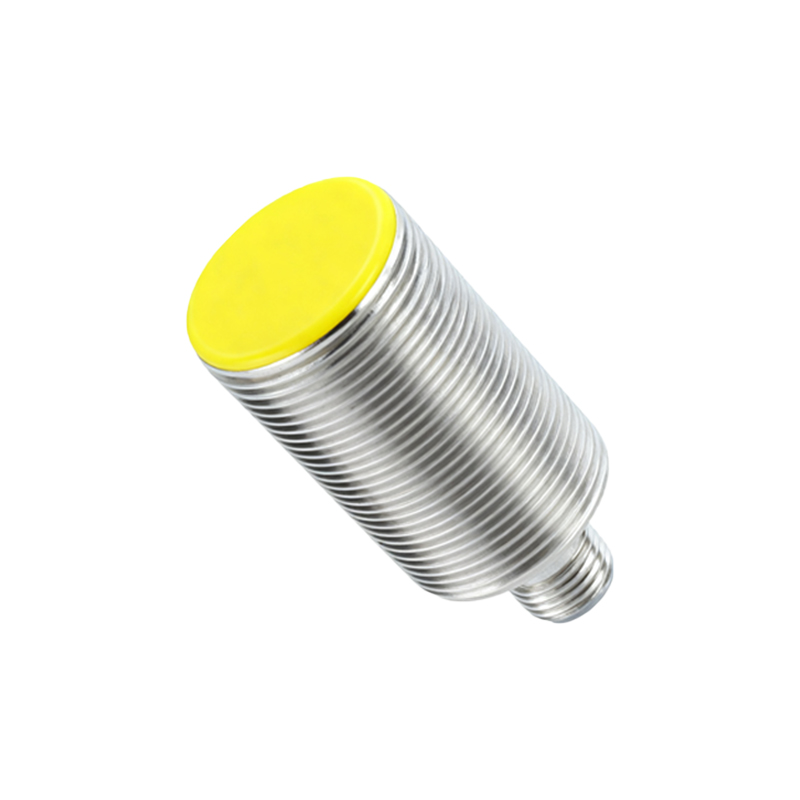
In terms of design and integration, laser proximity switches are available in diverse form factors, including compact cylindrical housings, rectangular units, and ruggedized versions for harsh environments. They typically feature robust enclosures rated IP67 or higher, ensuring resistance to water, oil, vibration, and extreme temperatures. Wiring and configuration have also been simplified with plug-and-play connectors, digital displays, and teach-in functions that enable quick setup via push buttons or software interfaces. Common output options include NPN, PNP, analog (4-20 mA or 0-10 V), and IO-Link for seamless communication with PLCs and industrial networks. This flexibility allows engineers to tailor sensor selection to specific application needs, whether for high-speed counting, precise positioning, edge detection, or thickness measurement.
Despite their benefits, selecting the right laser proximity switch requires careful consideration of factors such as sensing range, response time, beam spot size, and environmental challenges. For instance, in cleanroom settings or food processing plants, sensors with stainless steel housings and smooth surfaces are preferred to prevent contamination. In outdoor applications, protective measures against sunlight or fog may be necessary. Regular maintenance, including lens cleaning and alignment checks, helps sustain optimal performance over time. As Industry 4.0 advances, these sensors are increasingly integrated with smart features like predictive diagnostics and data logging, contributing to efficient, automated systems that minimize downtime and maximize productivity.
Overall, laser sensor proximity switches represent a critical evolution in sensing technology, driving improvements in accuracy, efficiency, and safety across industrial sectors. Their adoption continues to grow as manufacturers seek solutions that enhance process control while reducing mechanical wear and operational costs. By understanding their operational principles and application nuances, engineers can leverage these devices to build more responsive and intelligent automation environments.