In the rapidly evolving landscape of industrial automation, the demand for precision, reliability, and seamless integration has never been higher. At the heart of countless automated systems lies a critical component often overlooked: the proximity sensor. While individual sensors are widely discussed, the true power and stability emerge from a holistic solution—the Original Proximity Sensor Platform. This platform represents more than just a sensor; it is a comprehensive ecosystem designed for optimal performance, longevity, and system-wide harmony.
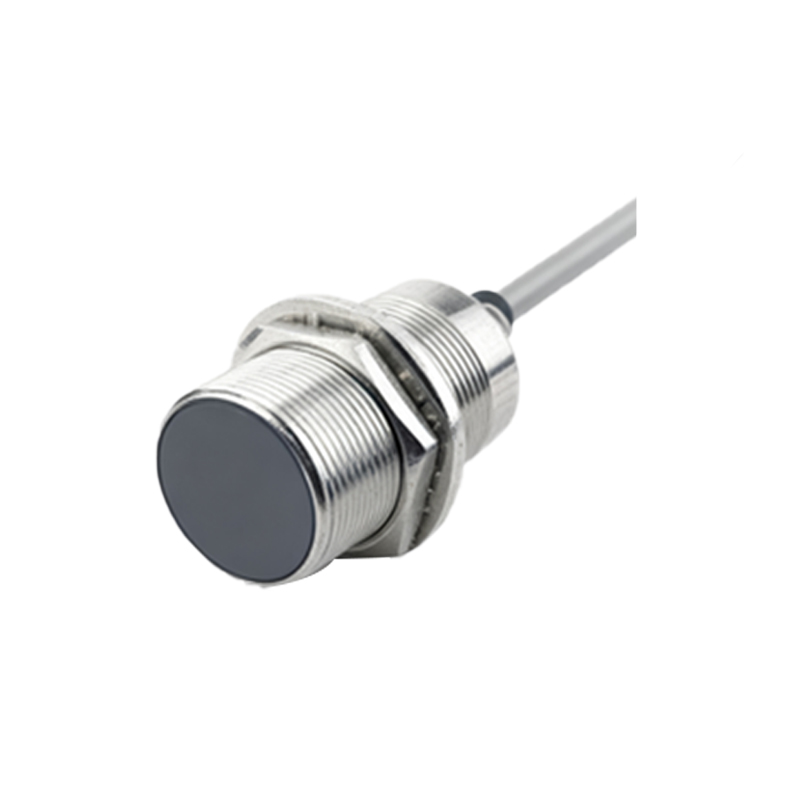
An Original Proximity Sensor Platform is engineered as a unified hardware and software solution. It typically consists of a range of sensor models (inductive, capacitive, ultrasonic, photoelectric), standardized mounting fixtures, dedicated signal conditioners, and proprietary communication protocols or software interfaces. Unlike piecing together components from various manufacturers, an original platform ensures every element is designed to work in perfect concert. This inherent compatibility eliminates guesswork, reduces integration time, and mitigates the risk of signal interference or calibration drift.
The primary advantage of committing to an original platform is unparalleled reliability. Sensors and their associated electronics are subjected to rigorous co-development testing under extreme conditions—temperature fluctuations, electromagnetic noise, vibration, and contamination. This results in a deterministic performance where sensing range, repeat accuracy, and response time are guaranteed parameters, not just optimistic specifications. For applications in automotive assembly lines, food packaging, pharmaceutical manufacturing, or robotic guidance, this reliability translates directly to reduced downtime, fewer false triggers, and higher product quality.
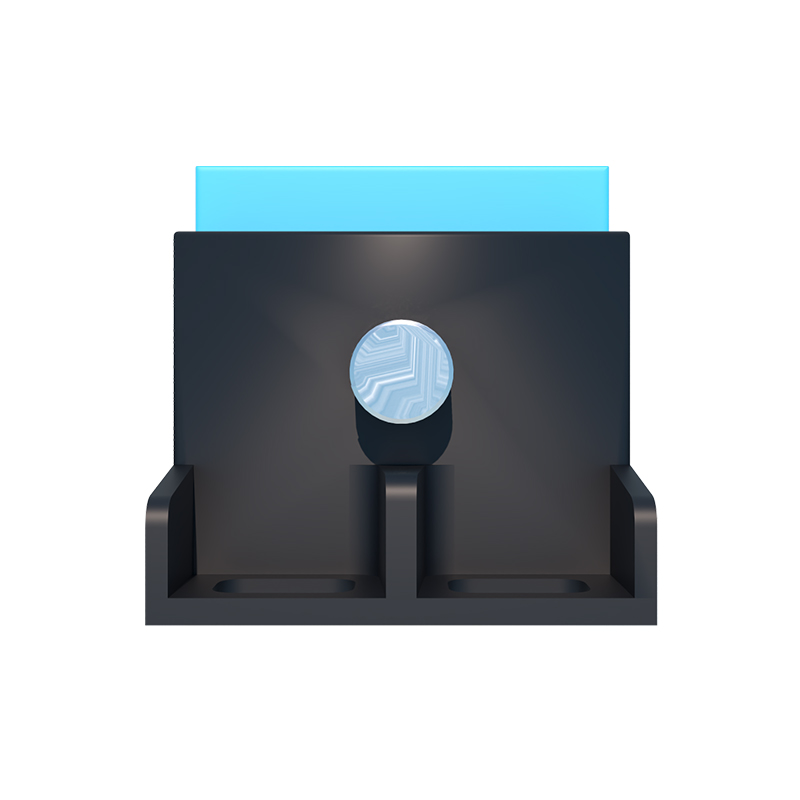
From a technical maintenance and lifecycle perspective, an original platform offers significant long-term benefits. Spare parts are readily available and fully interchangeable. Firmware updates are rolled out systematically to enhance functionality or security across the entire platform. Troubleshooting becomes streamlined through dedicated diagnostic tools that can pinpoint issues within the sensor, the wiring, or the controller interface. This simplifies the training required for maintenance personnel and creates a single point of accountability with the manufacturer for support.
Furthermore, data integrity is a cornerstone of modern Industry 4.0 initiatives. An original proximity sensor platform is often equipped with smart capabilities, such as IO-Link communication. This allows sensors to transmit not just a simple on/off signal, but a wealth of parametric data—operating temperature, signal strength, operating hours, and even predictive maintenance alerts. Having a unified platform ensures this data is structured, consistent, and easily integrated into higher-level SCADA or MES systems, enabling true predictive analytics and process optimization.
While third-party or "clone" sensors may offer a lower initial cost, they often introduce hidden expenses. Compatibility issues can lead to extended engineering hours. Inconsistent performance may cause production errors or machine stoppages. The lack of reliable technical support and firmware paths can orphan a system, forcing a costly premature overhaul. Investing in an original platform is an investment in total cost of ownership (TCO), focusing on sustained productivity and system resilience.
Selecting the right platform requires careful analysis. Engineers must evaluate the sensing technology against the target material (metal, plastic, liquid), the required sensing distance, environmental challenges, and the necessary output type (PNP/NPN, analog, IO-Link). Leading manufacturers in this space provide extensive resources, from detailed datasheets and CAD models to simulation tools and application engineering support, to guide this selection process.
In conclusion, the move towards integrated, intelligent automation necessitates a shift from viewing proximity sensors as disposable commodities to recognizing them as vital nodes within a strategic platform. The Original Proximity Sensor Platform delivers a foundation of guaranteed performance, seamless data flow, and operational peace of mind. It is the invisible, yet indispensable, backbone that empowers machinery to see, decide, and act with unwavering precision, driving efficiency and innovation in the automated world.