In the realm of industrial automation, proximity sensors play a pivotal role in detecting the presence or absence of objects without physical contact. Among various configurations, two-wire proximity sensors stand out for their simplicity and reliability. These sensors are widely utilized in manufacturing, packaging, and material handling systems due to their straightforward installation and cost-effectiveness. Unlike three-wire or four-wire sensors that require separate power and output lines, two-wire models integrate both functions into a single pair of wires, making them an efficient choice for many applications.
Two-wire proximity sensors operate by generating an electromagnetic field. When a target object enters this field, it causes a change in the sensor's oscillation, triggering an output signal. Typically, these sensors are available in two main types: AC (alternating current) and DC (direct current) versions. AC two-wire sensors are commonly used in high-power environments, such as controlling motors or solenoids, while DC variants are preferred for low-power circuits and compatibility with programmable logic controllers (PLCs). The key advantage lies in their wiring simplicity—only two wires are needed to connect the sensor to the power supply and load, reducing installation time and minimizing potential wiring errors.
However, two-wire proximity sensors come with certain considerations. One notable aspect is the voltage drop across the sensor, which can affect performance in low-voltage systems. Engineers must carefully calculate the load current to ensure it falls within the sensor's specified range, as exceeding this can lead to malfunction or damage. Additionally, these sensors may have lower switching frequencies compared to multi-wire alternatives, making them less suitable for high-speed applications. Despite these limitations, advancements in technology have led to improved designs with enhanced sensitivity and reduced leakage current, broadening their applicability.
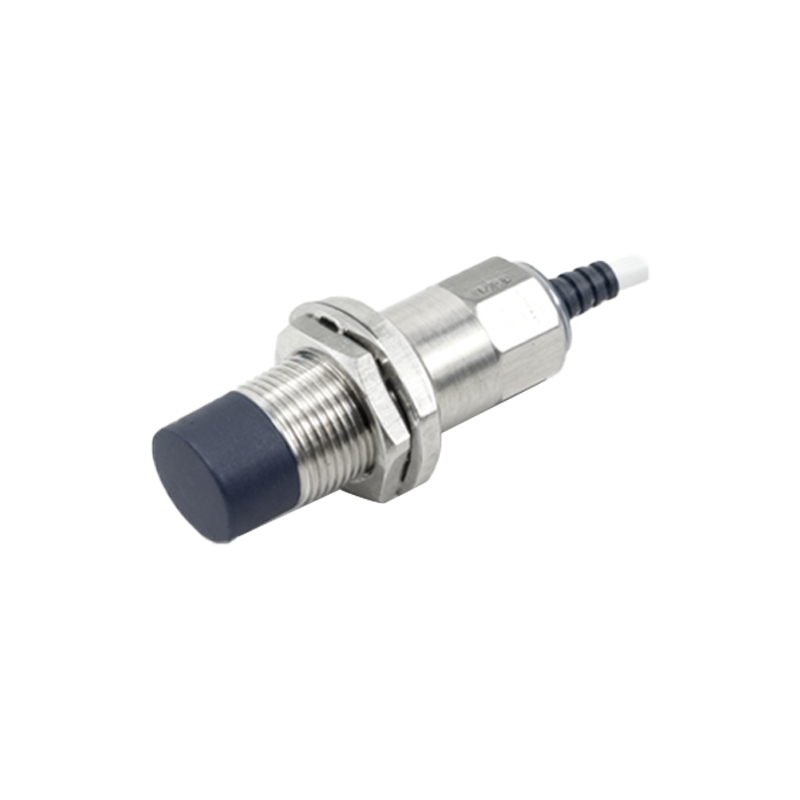
When selecting a two-wire proximity sensor, factors such as sensing distance, material composition (e.g., inductive for metals or capacitive for non-metals), environmental conditions (like temperature and humidity), and output type (normally open or normally closed) must be evaluated. For instance, in harsh industrial settings with dust or moisture, sensors with IP67 or higher ratings are recommended to ensure durability. Regular maintenance, including cleaning and calibration, can extend the sensor's lifespan and maintain accuracy.
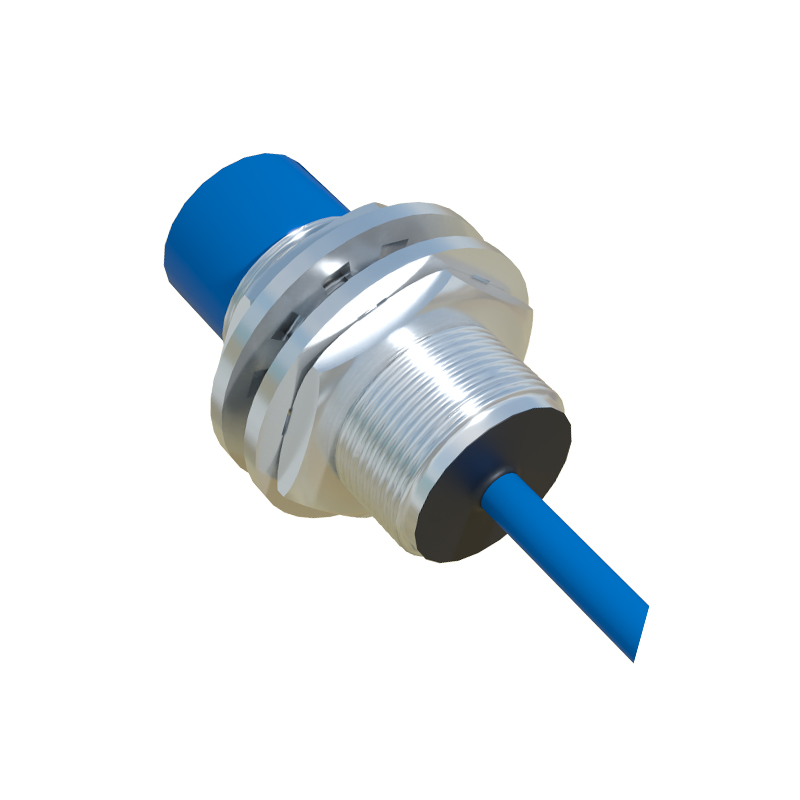
In summary, two-wire proximity sensors offer a practical solution for many automation tasks, balancing ease of use with robust performance. Their integration into modern industrial systems underscores the trend toward streamlined, efficient designs. As automation continues to evolve, these sensors will likely see further innovations, such as smart features for predictive maintenance or IoT connectivity, enhancing their role in Industry 4.0 initiatives. For engineers and technicians, understanding the principles and best practices of two-wire proximity sensors is essential for optimizing system reliability and productivity.