Laser sensor heads are integral components in modern industrial automation, offering precision, reliability, and versatility. These devices operate by emitting a focused laser beam toward a target object. The sensor then detects the reflected or scattered light, analyzing changes in properties such as beam position, intensity, or phase to determine measurements like distance, displacement, thickness, or presence. Unlike conventional sensors, laser sensors provide non-contact measurement, which is crucial for delicate or high-speed applications where physical contact could cause damage or inaccuracies.
A typical laser sensor head consists of several key elements: a laser diode that generates the coherent light, optical lenses for beam focusing and collimation, a photodetector (such as a CCD or PSD) to capture the returning light, and sophisticated signal-processing electronics. The housing is usually ruggedized to withstand harsh industrial environments, featuring IP ratings for dust and water resistance. Common types include triangulation sensors for distance measurement, confocal sensors for high-resolution thickness gauging, and time-of-flight (ToF) sensors for long-range applications. Each type leverages specific optical principles to cater to different measurement challenges.
The advantages of laser sensor heads are numerous. They offer high accuracy, often down to micrometer or even nanometer levels, and fast response times, enabling real-time monitoring in dynamic processes. Their small spot size allows for precise measurement of tiny features or objects. Furthermore, they are largely immune to ambient light interference and can work on a variety of surface materials, though highly reflective or transparent surfaces may require special configurations or filters.
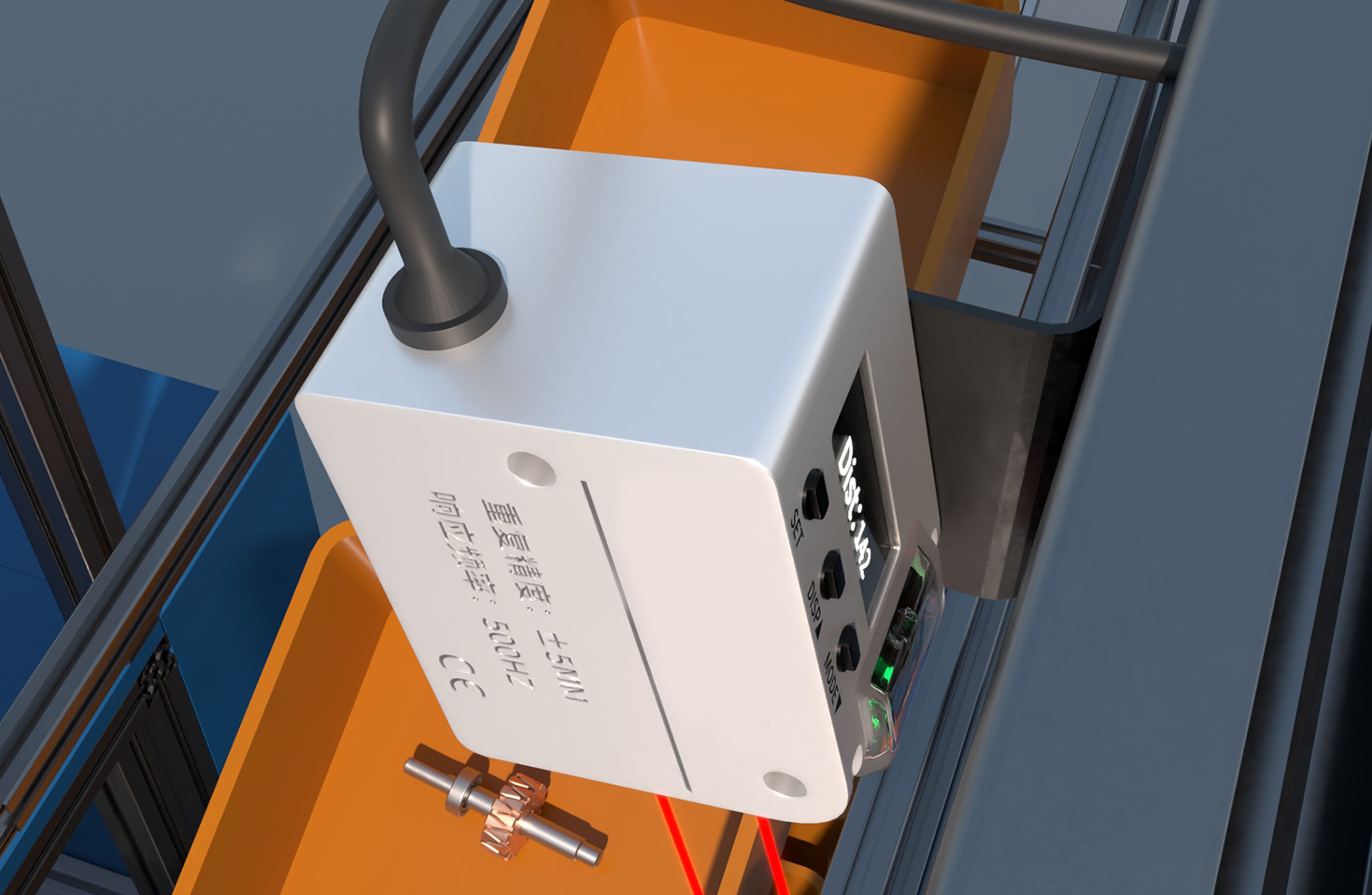
In practical applications, laser sensor heads are ubiquitous. In automotive manufacturing, they are used for precise gap and flush measurement between body panels. In electronics assembly, they verify component placement height and solder paste thickness. In logistics, they facilitate object detection and dimensioning for automated sorting systems. The pharmaceutical industry employs them for fill-level inspection in vials, while the metals industry relies on them for continuous thickness monitoring of rolled sheets. Their role in quality control and process automation is indispensable, directly impacting productivity and product consistency.
Selecting the right laser sensor head requires careful consideration of several parameters. The required measurement range, resolution, and repeatability are primary factors. The environmental conditions—temperature, humidity, vibration, and potential contaminants—dictate the necessary housing and protection. The target object's properties, including color, surface texture, and material, influence the choice of sensor type and wavelength. Compatibility with existing industrial communication protocols (e.g., IO-Link, Ethernet/IP, PROFINET) is also vital for seamless integration into a control system.
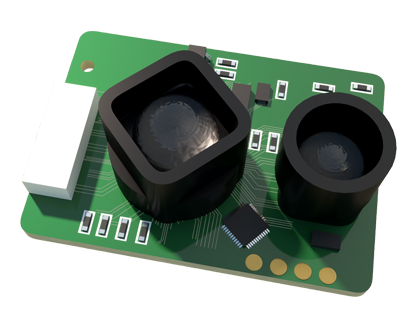
Recent advancements are pushing the boundaries of laser sensing technology. The development of blue laser diodes has improved performance on organic materials like rubber or dark surfaces that traditionally absorb red laser light. Integrated smart features, such as built-in temperature compensation and self-diagnostic functions, enhance long-term stability and reduce maintenance. Furthermore, the miniaturization of components is leading to more compact sensor heads that can be installed in space-constrained locations without sacrificing capability.

Despite their robustness, optimal performance depends on correct installation and maintenance. Proper alignment is critical; even minor misalignment can lead to significant measurement errors. Regular cleaning of the optical window is necessary to prevent dust or oil buildup from attenuating the laser beam. Users should also be aware of laser safety classifications (typically Class 1 or 2 for industrial sensors) and adhere to relevant safety standards to prevent accidental eye exposure.
In conclusion, the laser sensor head is a cornerstone of advanced industrial measurement and inspection. Its ability to deliver precise, non-contact data in real-time makes it a powerful tool for enhancing automation, ensuring quality, and optimizing manufacturing processes. As industries continue to evolve toward greater precision and connectivity, the innovation and application of laser sensor technology will undoubtedly expand, solidifying its critical role in the factory of the future.