In the intricate tapestry of modern technology, where machines interact with the physical world, a silent class of components works tirelessly to bridge the gap between the analog and the digital. Digital sensors and proximity sensors, often unseen and unsung, form the foundational sensory layer for countless applications, from the smartphone in your pocket to the automated assembly lines shaping our industries. Understanding their function, differences, and applications is key to appreciating the invisible intelligence embedded in our daily lives.
At its core, a digital sensor is a device that converts a physical phenomenon—such as temperature, pressure, light, or sound—into a discrete digital signal, typically represented as a binary code (0s and 1s). This output is directly compatible with microprocessors, microcontrollers, and digital systems, enabling straightforward interpretation and processing. The conversion happens through an internal Analog-to-Digital Converter (ADC). For instance, a digital temperature sensor measures ambient heat, processes it through its internal circuitry, and outputs a precise numerical value via a standard digital communication protocol like I2C or SPI. This contrasts with analog sensors, which produce a continuous voltage or current signal that requires external conversion. The primary advantages of digital sensors include enhanced noise immunity, as digital signals are less susceptible to interference over distances; easier integration with modern digital systems; and often, built-in processing for calibration and compensation, leading to higher accuracy and reliability.
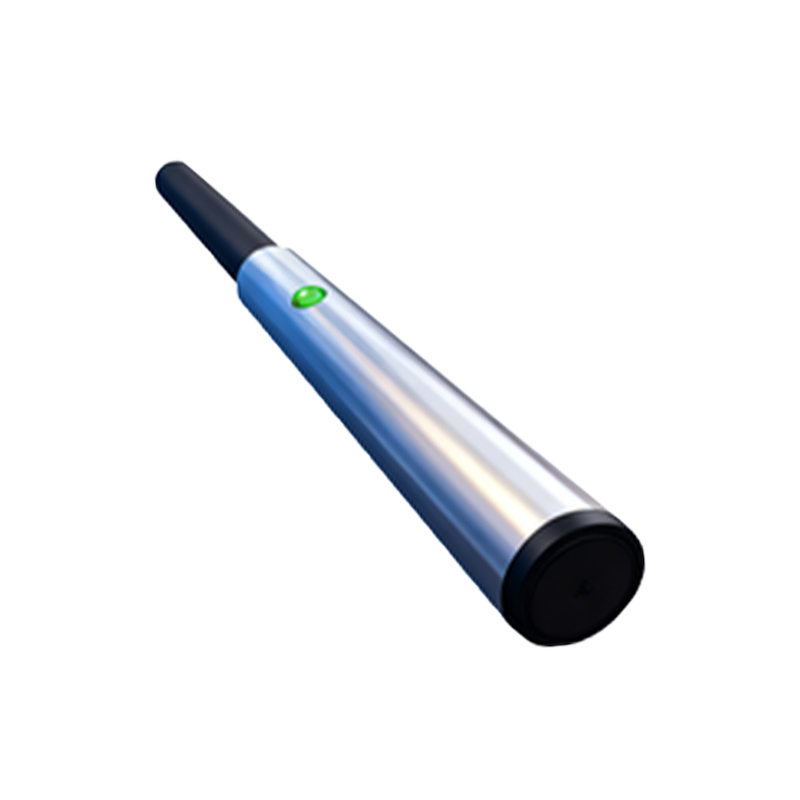
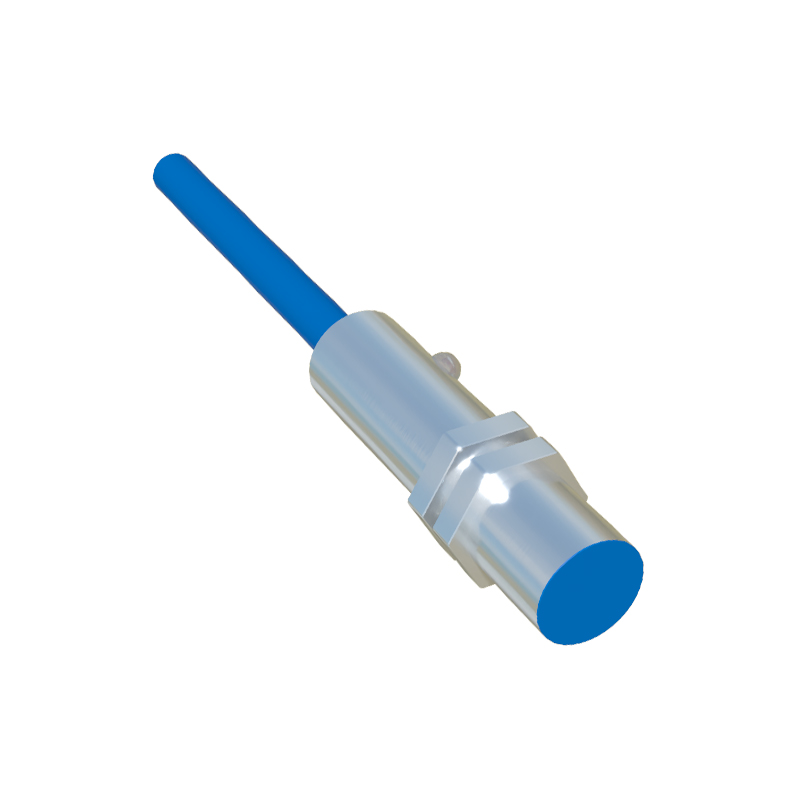
Proximity sensors, on the other hand, are defined by their specific function rather than their output type. A proximity sensor detects the presence or absence of an object within a specified range without any physical contact. They can be analog or digital in their output. Their "sensing" is based on various physical principles, leading to several key types. Inductive proximity sensors are workhorses in industrial automation. They generate an electromagnetic field and detect the eddy currents induced in metallic targets. They are robust, reliable for detecting metals, and completely immune to dust, oil, or other environmental contaminants. Capacitive proximity sensors can detect both metallic and non-metallic materials—liquids, plastics, wood, or granules. They work by sensing changes in capacitance caused by the presence of any material that alters the electrostatic field around the sensor's face. Ultrasonic proximity sensors emit high-frequency sound waves and measure the time taken for an echo to return. They are excellent for detecting objects at greater distances, regardless of color or material, and are used in level sensing, robotics, and parking assistance systems. Photoelectric sensors use a light beam (visible, infrared, or laser). The presence of an object is detected by either the interruption of the beam (through-beam), the reflection to a receiver opposite the emitter (retro-reflective), or the reflection from the object itself (diffuse reflective). They are versatile for detecting a wide array of objects over long ranges.
The intersection of these concepts is where digital output proximity sensors reside. Many modern proximity sensors integrate the sensing element with signal conditioning and an ADC, providing a clean, binary (ON/OFF) or scaled digital output. For example, a digital inductive sensor might output a simple HIGH signal when metal is detected within 5mm and LOW otherwise, ready to be read by a PLC input. This combines the precise, contactless detection capability of proximity sensing with the integration ease and noise resistance of digital technology.
The applications are vast and critical. In automotive systems, digital Hall-effect sensors (a type of proximity sensor) monitor wheel speed for ABS and transmission systems, while capacitive sensors detect seat occupancy for airbag control. In consumer electronics, your smartphone uses a digital proximity sensor to turn off the screen during a call, conserving power and preventing accidental touches. Digital ambient light sensors automatically adjust screen brightness. In manufacturing and robotics, arrays of digital inductive and photoelectric sensors provide precise object positioning, count items on a conveyor, ensure robot arm safety, and verify part placement. They enable the high-speed, error-free operation of automated lines. In smart homes and buildings, digital PIR (Passive Infrared) motion sensors trigger lighting and security systems, while capacitive sensors create touch-sensitive interfaces.
Selecting the right sensor involves a careful analysis of requirements. Key factors include the target material (metal, plastic, liquid), the required sensing distance, the operating environment (presence of dust, moisture, temperature extremes), the needed output type (digital ON/OFF, analog, or a specific protocol), response speed, and physical size constraints. For harsh industrial environments, ruggedized inductive sensors with digital outputs are typical. For detecting transparent bottles on a packaging line, a diffuse photoelectric sensor with a digital relay output would be chosen.
The evolution continues towards greater intelligence, miniaturization, and connectivity. Sensors are increasingly incorporating IoT capabilities, transmitting data directly to the cloud via wireless protocols. The fusion of multiple sensing technologies (e.g., combining a proximity sensor