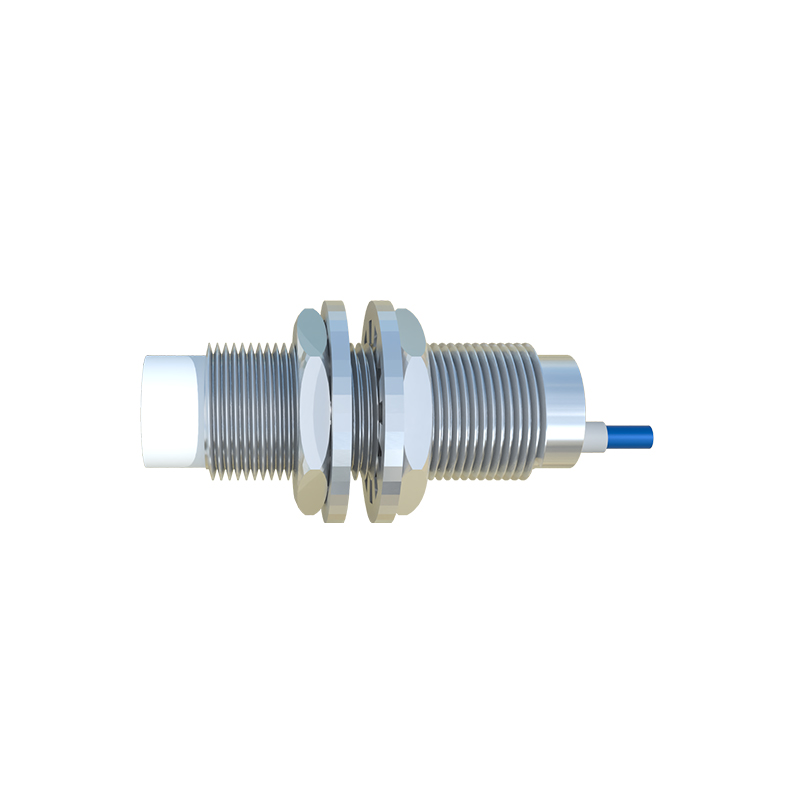
In the realm of industrial automation, robotics, and smart devices, the ability to detect the presence or absence of an object without physical contact is fundamental. This is where proximity sensors come into play, and among the various offerings, the DS series of proximity sensors has established itself as a reliable and versatile solution. These sensors are designed to fulfill a critical role in countless applications, providing non-contact detection that enhances efficiency, safety, and system reliability.
Proximity sensors, by their core principle, detect the presence of a target object within a specified sensing range. The "DS" designation often refers to a specific family or model line from a manufacturer, characterized by a set of common features and performance specifications. While specifications can vary between manufacturers, a typical DS series sensor is likely to be an inductive proximity sensor. This type is exceptionally common in industrial settings for detecting metallic objects. They operate by generating an electromagnetic field. When a metallic target enters this field, it induces eddy currents within the target, which in turn causes a change in the sensor's own oscillation amplitude. This change is detected and converted into a solid-state output signal, typically a switch that turns on or off.
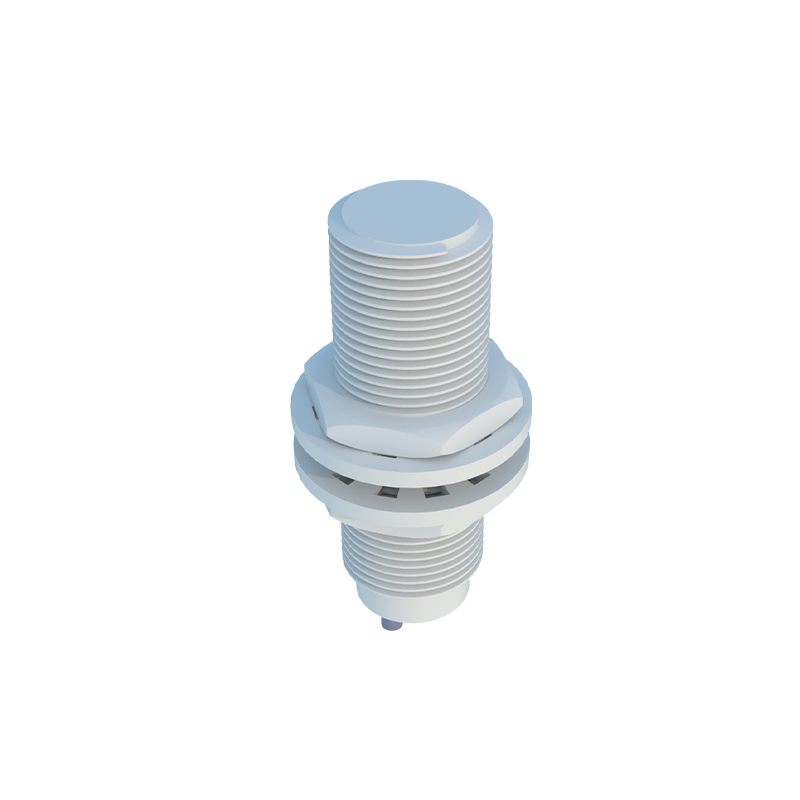
The defining characteristics of a robust DS series proximity sensor often include a compact and rugged housing, usually made of nickel-plated brass or stainless steel, providing high resistance to shock, vibration, and harsh industrial environments like coolants or oils. They offer a defined sensing distance, which is a crucial parameter. This is the nominal distance at which a standard target will be reliably detected. It is important to note that the actual sensing distance can be influenced by the target material, size, and shape. For inductive sensors, ferrous metals like steel are detected at the nominal range, while non-ferrous metals like aluminum or copper may have a reduced sensing range.
Another key feature is the output type. Many DS sensors come in both NPN (sinking) and PNP (sourcing) transistor output configurations, allowing for easy integration into different control system architectures, such as those based on PLCs (Programmable Logic Controllers). Some models also offer analog outputs (4-20mA or 0-10V) that provide a signal proportional to the distance to the target, useful for positioning applications. The wiring is typically straightforward, often utilizing a pre-wired cable or a quick-disconnect connector for easy installation and maintenance.
The application spectrum for DS series proximity sensors is vast. On factory assembly lines, they are used for part detection, counting, and verifying the position of components. In automated machinery, they serve as end-of-travel limit switches to prevent over-travel of actuators. They are integral to robotic systems for object detection and pick-and-place operations. Beyond heavy industry, their principles are applied in consumer electronics; for instance, a smartphone uses a miniature proximity sensor (often optical, not inductive) to turn off the display during a call. However, the industrial DS series excels in tougher roles like monitoring the position of metal parts in CNC machines, detecting the presence of a pallet on a conveyor, or ensuring a safety door is closed on a machine tool.
Selecting the right DS sensor for an application requires careful consideration of several factors. First, identify the target material. For metals, an inductive sensor like the DS is ideal. For other materials like plastic, wood, or liquids, a capacitive proximity sensor from a similar series would be necessary. Second, determine the required sensing distance and ensure the chosen model's nominal range provides a safe margin for reliable operation. Third, consider the environmental conditions: will the sensor be exposed to high temperatures, washdowns, or chemical splashes? Look for an appropriate Ingress Protection (IP) rating. Fourth, match the electrical output (NPN/PNP, analog) and voltage rating (commonly 10-30V DC) to your control system. Finally, the physical size and mounting style (threaded barrel, rectangular) must suit the mechanical constraints of the installation space.
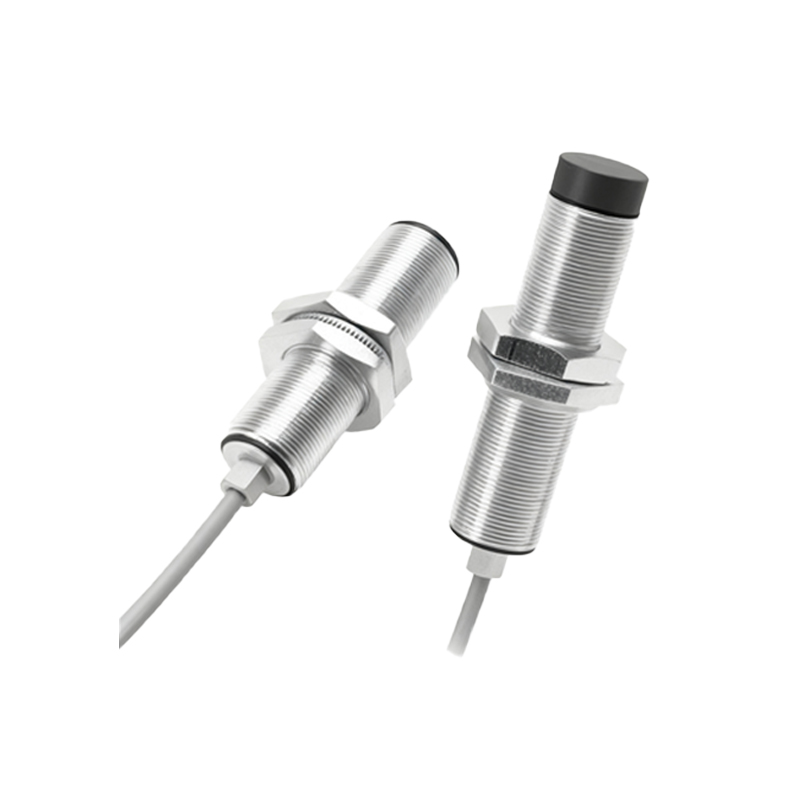
Installation and alignment are also critical for optimal performance. The sensor should be mounted securely to avoid misalignment due to vibration. For inductive sensors, it is important to maintain a clearance from surrounding metal objects (the "flush-mountable" feature of some models mitigates this) to prevent false triggering. Regular maintenance, though minimal, involves checking for physical damage, buildup of debris on the sensing face, and verifying the electrical connections.
In conclusion, the DS series represents a class of workhorse proximity sensors built for durability and precision in demanding environments. Their non-contact operation eliminates mechanical wear, leading to longer service life and reduced downtime. By understanding their operating principle, key features, and application requirements, engineers and technicians can effectively integrate these sensors to create more intelligent, efficient, and safe automated systems. Whether ensuring a robotic arm accurately picks up a part or confirming a