In the realm of computer peripherals, the evolution from mechanical ball mice to optical sensors marked a significant leap, but the advent of laser sensor technology has truly redefined precision and reliability for demanding users. Laser sensor mice utilize an invisible laser diode, typically with a wavelength around 850 nm, to illuminate the tracking surface. Unlike conventional optical sensors that rely on LED light and surface texture, the laser's coherent light penetrates the surface microstructure at a deeper level, capturing exceptionally detailed images for the sensor's image processor. This fundamental difference enables laser mice to achieve dramatically higher resolution, often exceeding 20,000 DPI (dots per inch), and maintain consistent tracking on a vast array of surfaces where optical mice falter—including glossy glass, polished wood, and uneven fabrics.
The core advantage lies in the sensor's ability to process surface data with microscopic accuracy. The laser illuminates minute imperfections and textures invisible to the naked eye, creating a high-contrast image for the navigation engine. This results in unparalleled tracking fidelity, with zero acceleration error and minimal jitter, which is critical for graphic designers, CAD engineers, and competitive gamers. For instance, in CAD applications, a slight cursor deviation can lead to design flaws, while in first-person shooter games, pixel-perfect aim is non-negotiable. Laser sensors provide the sub-micron level precision required for these tasks, translating minute hand movements into exact on-screen responses without smoothing or prediction algorithms that can introduce latency.
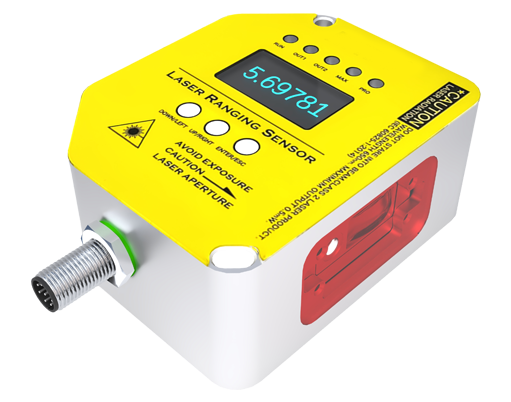
From an engineering perspective, the design of a laser sensor mouse involves sophisticated components: the laser diode, the lens assembly, the CMOS sensor, and the digital signal processor (DSP). The DSP is the brain, analyzing successive images at speeds exceeding 12,000 frames per second to calculate direction and distance. Advanced models incorporate surface calibration routines, allowing users to optimize the sensor's performance for specific materials. Furthermore, modern laser mice integrate with dedicated software for real-time DPI adjustment, lift-off distance (LOD) tuning, and surface quality analysis, offering a level of customization previously unavailable.

Durability and power efficiency are additional benefits. With no moving parts like the old mechanical rollers, laser sensors are less prone to wear and contamination. The efficiency of laser diodes also contributes to longer battery life in wireless models, a crucial factor for professional workflows. However, it is essential to note that extreme precision can sometimes be a double-edged sword; on perfectly smooth, homogeneous surfaces like clear glass, the laser may struggle due to a lack of detectable features. Most manufacturers address this by including textured mouse pads optimized for laser tracking.
In professional environments, the implementation of laser sensor mice has enhanced productivity and accuracy. Financial traders rely on their instantaneous response for swift data manipulation, while video editors benefit from smooth, jitter-free timeline scrubbing. The technology has also permeated industrial applications, such as control rooms and digital signage systems, where reliability under varied conditions is paramount.

Looking forward, the integration of laser sensors with other technologies like wireless charging, gesture recognition, and AI-based adaptive tracking promises further innovation. As computing interfaces evolve, the demand for input devices that offer both extreme precision and robust versatility will only grow. The laser sensor mouse stands as a testament to how focused engineering in a seemingly simple component can profoundly impact user experience across countless disciplines, setting a new standard for what users can expect from their interaction with digital environments.