In the realm of industrial automation and control systems, proximity sensors are indispensable components for detecting the presence or absence of objects without physical contact. Among the various types, strong magnetic proximity switch sensors stand out for their robustness, reliability, and ability to operate in challenging environments. This article delves into the working principles, key features, common applications, and critical selection criteria for these powerful sensing devices.
At its core, a strong magnetic proximity switch sensor operates based on the interaction between a permanent magnet (typically integrated into the target or actuator) and a magnetically sensitive element within the sensor itself. The most common sensing technology used is the Reed Switch or, in more modern versions, Hall Effect or magnetoresistive elements. When a strong magnet approaches within a specified detection range, it causes a change in the state of the internal sensing element. For a Reed Switch, the magnetic field forces the ferromagnetic reeds inside a sealed glass tube to attract each other, closing an electrical circuit. For solid-state Hall Effect sensors, the magnetic field generates a voltage difference, which is processed by integrated electronics to trigger a switching output. The term "strong magnetic" specifically refers to sensors designed to respond reliably to powerful magnetic fields, often from permanent magnets, ensuring a stable and long-range detection capability compared to standard magnetic sensors.
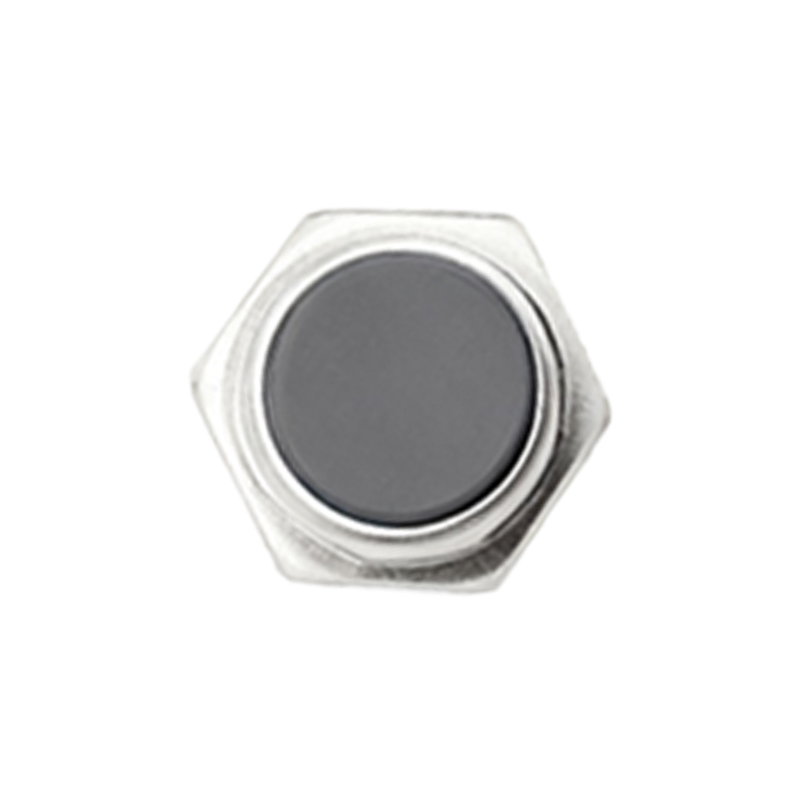
The defining characteristics of strong magnetic proximity sensors contribute significantly to their popularity in harsh industrial settings. First and foremost is their exceptional environmental resilience. The sensing element is typically hermetically sealed, making them immune to contamination from dust, oil, coolants, and moisture. This allows for reliable operation in dirty, wet, or washdown conditions where optical or inductive sensors might fail. Secondly, they offer a non-contact, wear-free sensing solution. Since there is no mechanical linkage or physical touch required for operation, these sensors boast an exceptionally long service life, limited mainly by the lifespan of the electronic components. Furthermore, they are capable of detecting magnetic targets through non-ferromagnetic materials like aluminum, stainless steel (non-magnetic grades), plastic, or glass. This "through-wall" sensing ability opens up unique application possibilities where the sensor needs to be isolated from the process environment for protection.
The application spectrum for strong magnetic proximity switches is vast and spans numerous industries. A classic and widespread use is in pneumatic and hydraulic cylinder position feedback. A strong magnet is embedded in the piston of the cylinder, and sensors mounted externally on the cylinder body detect the piston's end positions (extended/retracted) to provide precise control signals to the PLC. This setup eliminates the need for mechanical lever switches and associated mounting brackets, simplifying design and enhancing reliability. In the automotive manufacturing and assembly sector, these sensors are used for part presence verification, door and hood open/close detection, and safety interlock systems. The material handling and packaging industries employ them for detecting positions on conveyors, counting products, and monitoring the open/closed status of guards and doors. Another critical area is in hazardous or explosive atmospheres. Intrinsically safe versions of these sensors, with appropriate certifications (e.g., ATEX, IECEx), can be used to monitor valves, hatches, and access points without risk of spark ignition.
Selecting the right strong magnetic proximity sensor for a specific application requires careful consideration of several parameters. The sensing distance is paramount. It must be chosen based on the magnet's strength and the required installation gap, always considering a safety margin to account for mechanical tolerances and temperature variations. The output type must match the control system's input requirements. Common outputs include PNP (sourcing), NPN (sinking), NO (Normally Open), NC (Normally Closed), or Namur (for intrinsically safe loops). The electrical specifications such as supply voltage (e.g., 10-30V DC), current rating, and switching frequency must be compatible. The housing material and protection rating (IP or NEMA) are critical for environmental survival. Stainless steel housings with IP67, IP68, or IP69K ratings are standard for demanding applications. Additionally, factors like temperature range, connection method (pre-wired cable or connector), and any required certifications (e.g., SIL, CE, UL) must be evaluated.
In conclusion, strong magnetic proximity switch sensors are a cornerstone technology for reliable, non-contact position sensing in demanding industrial environments. Their principle of magnetic actuation grants them unique advantages in durability, environmental sealing, and flexible mounting. By understanding their operating principles and meticulously matching their specifications—sensing distance, output configuration, housing robustness, and environmental ratings—to the application's demands, engineers and maintenance personnel can ensure optimal system performance, enhanced safety, and reduced downtime. As automation continues to evolve, these robust sensors will remain vital components in building resilient and efficient control systems across