In the demanding environment of modern industrial automation, laser sensors have become indispensable components for precision measurement, object detection, and quality control. Their high accuracy, speed, and reliability are critical for maintaining efficient production lines. However, these sophisticated electro-optical devices are inherently sensitive and can suffer from performance degradation or catastrophic failure if not properly protected. Ensuring their longevity and consistent operation requires a comprehensive understanding of the threats they face and the implementation of robust protective strategies. The primary adversaries of laser sensors in industrial settings are environmental contaminants, mechanical stress, and electromagnetic interference.
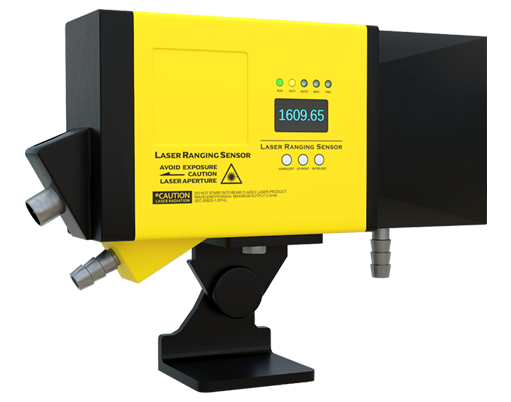
Physical contamination poses a significant risk. Dust, oil mist, coolant fluids, and metal shavings are ubiquitous in manufacturing plants. When these particulates accumulate on the sensor's lens or optical window, they scatter or absorb the laser beam, leading to erroneous readings, reduced range, or complete signal loss. For environments with heavy particulate matter, specifying sensors with an appropriate Ingress Protection (IP) rating is the first line of defense. An IP67-rated housing, for example, offers complete protection against dust ingress and temporary immersion in water. Beyond the housing, installing external protective accessories is often necessary. Purge fittings can be used to create a constant, clean air curtain over the lens, preventing contaminants from settling. For harsh environments like welding or machining, durable protective windows made of materials like coated glass or polycarbonate can shield the delicate optics. These windows must be selected with consideration for their optical properties to minimize signal attenuation.
Mechanical protection is equally crucial. Vibration from heavy machinery can loosen internal components and misalign the precise optical path, while direct physical impact can crack lenses or damage housings. Selecting sensors designed with robust, metal housings and internal damping mechanisms is essential for high-vibration areas. Proper mounting is a critical, yet often overlooked, aspect. Using sturdy brackets and isolating the sensor from vibrating surfaces with anti-vibration mounts can dramatically increase its lifespan. For applications where direct impact is a possibility, such as on robotic arms or near material handling equipment, installing physical guards or bumpers around the sensor provides an essential layer of defense.
The invisible threat of electromagnetic interference (EMI) and radio frequency interference (RFI) can be particularly insidious. Industrial facilities are saturated with EMI from motor drives, welding equipment, and communication systems. This interference can couple into the sensor's signal lines or power supply, causing sporadic errors, data corruption, or resetting. To combat this, always use sensors with built-in EMI/RFI shielding and robust electrical filtering. Employing shielded, twisted-pair cables for all connections and ensuring proper cable grounding are non-negotiable best practices. Routing sensor cables away from high-power lines and variable frequency drives (VFDs) in separate conduits or trays further minimizes the risk of noise pickup.
Electrical protection extends beyond interference. Voltage spikes and transients on the power supply line, often caused by the switching of large inductive loads, can damage the sensor's internal circuitry. Incorporating surge protection devices (SPDs) or isolation transformers in the power supply circuit is a prudent measure. Furthermore, ensuring correct and stable voltage levels as per the sensor's datasheet prevents under-voltage or over-voltage stress. For sensors with digital communication interfaces like IO-Link or Ethernet, using signal conditioners or isolators can protect sensitive electronics from ground loops and potential differences.
Finally, a holistic protection strategy involves regular inspection and maintenance. Even with the best protective measures, periodic checks are necessary. Establish a maintenance schedule to visually inspect protective windows for scratches or coating degradation, clean them with approved methods and materials, check the integrity of seals and gaskets, and verify mounting stability. Monitoring the sensor's performance data, often available via diagnostic functions, can provide early warnings of impending issues, allowing for proactive intervention before a failure causes downtime.

In conclusion, laser sensors are precision instruments that demand deliberate protection. A multi-layered approach combining appropriate product selection (IP rating, housing material), the use of physical accessories (purge systems, protective windows, guards), strict adherence to electrical installation guidelines (shielding, grounding, surge protection), and a disciplined maintenance regimen forms the cornerstone of reliable operation. Investing in these protection measures is not an added cost but a strategic investment that safeguards productivity, ensures measurement integrity, and maximizes the return on investment from these critical automation assets.
