In the realm of industrial automation, proximity sensors play a pivotal role in detecting the presence or absence of objects without physical contact. Among various types, aluminum proximity sensors are specifically designed to detect aluminum and other non-ferrous metals, offering unique advantages in diverse applications. This article delves into the working principles, selection criteria, and practical uses of these sensors, providing insights for engineers and technicians in the electrical and automation industries.
Aluminum proximity sensors operate primarily on the principle of eddy current loss. Unlike standard inductive sensors that detect ferrous metals by changes in magnetic fields, aluminum sensors utilize high-frequency oscillation circuits. When an aluminum target enters the sensing range, eddy currents induced in the metal alter the oscillation amplitude or frequency, triggering an output signal. This mechanism allows for reliable detection of conductive non-ferrous materials, including aluminum alloys, copper, and brass, while typically ignoring ferrous metals like steel or iron. Key specifications include sensing distance, which ranges from a few millimeters to several centimeters, and output types such as NPN, PNP, or analog signals.
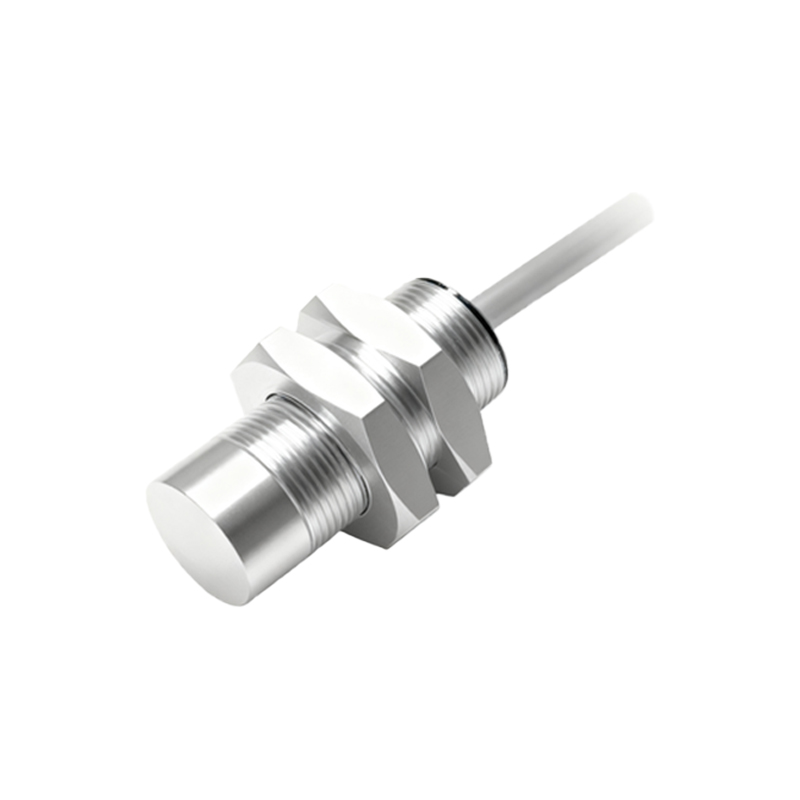
Selecting the right aluminum proximity sensor requires careful consideration of several factors. First, the sensing environment must be evaluated—factors like temperature extremes, humidity, and exposure to chemicals can affect performance. For instance, sensors with IP67 or higher ratings are essential in washdown or outdoor settings. Second, the target material's properties matter: pure aluminum and its alloys vary in conductivity, which may influence detection consistency. Engineers should consult datasheets to ensure compatibility with specific aluminum grades. Third, mounting and alignment are critical; improper installation can reduce effective sensing ranges. Flush-mountable designs are often preferred in tight spaces, whereas non-flush sensors offer longer ranges but require clearance around the sensing face.
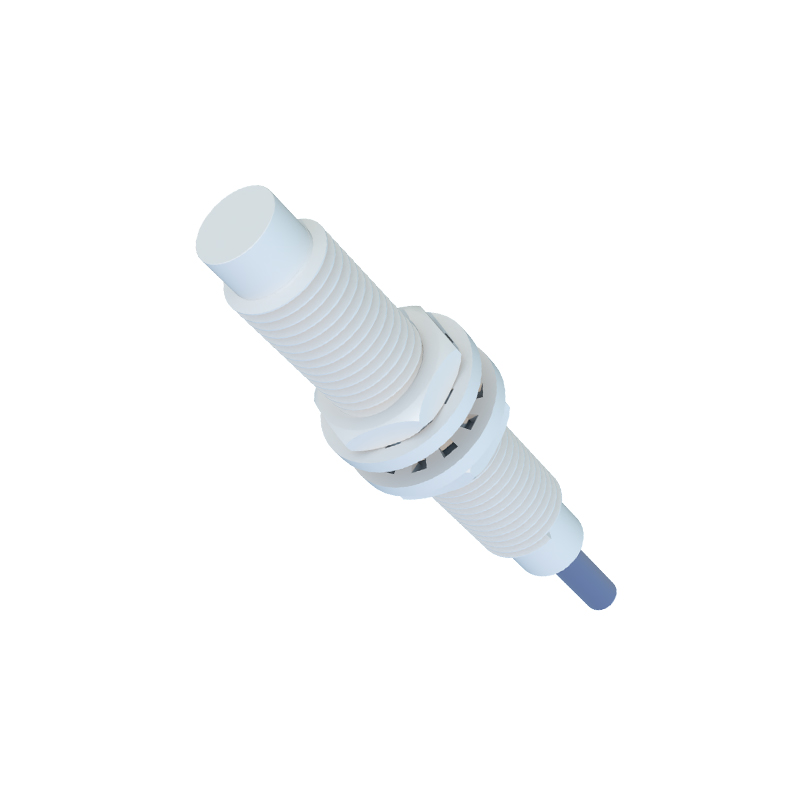
In practice, aluminum proximity sensors are indispensable in industries like automotive manufacturing, packaging, and aerospace. In automotive assembly lines, they detect aluminum components such as engine parts or body panels, ensuring precise positioning for robotic arms. In packaging machinery, sensors monitor aluminum foil seals on containers, verifying product integrity before shipment. Aerospace applications involve quality control, where sensors inspect aluminum aircraft structures for alignment during fabrication. Additionally, these sensors are used in recycling facilities to sort aluminum from other materials, enhancing efficiency in waste management processes.
Despite their benefits, challenges exist. Aluminum sensors can be sensitive to electromagnetic interference (EMI) from nearby motors or welding equipment, necessitating shielded cables or proper grounding. Moreover, detection accuracy may vary with surface finish—anodized or painted aluminum might require calibration or specialized sensor models. Regular maintenance, including cleaning of sensing faces to prevent debris buildup, ensures long-term reliability. As Industry 4.0 advances, smart aluminum sensors with IO-Link connectivity are gaining traction, enabling real-time diagnostics and integration with IoT platforms for predictive maintenance.
In conclusion, aluminum proximity sensors are specialized tools that address the nuances of non-ferrous metal detection. By understanding their operational mechanics and application-specific requirements, engineers can optimize automation systems for enhanced productivity and safety. As technology evolves, these sensors will continue to adapt, offering greater precision and connectivity in the ever-evolving industrial landscape.