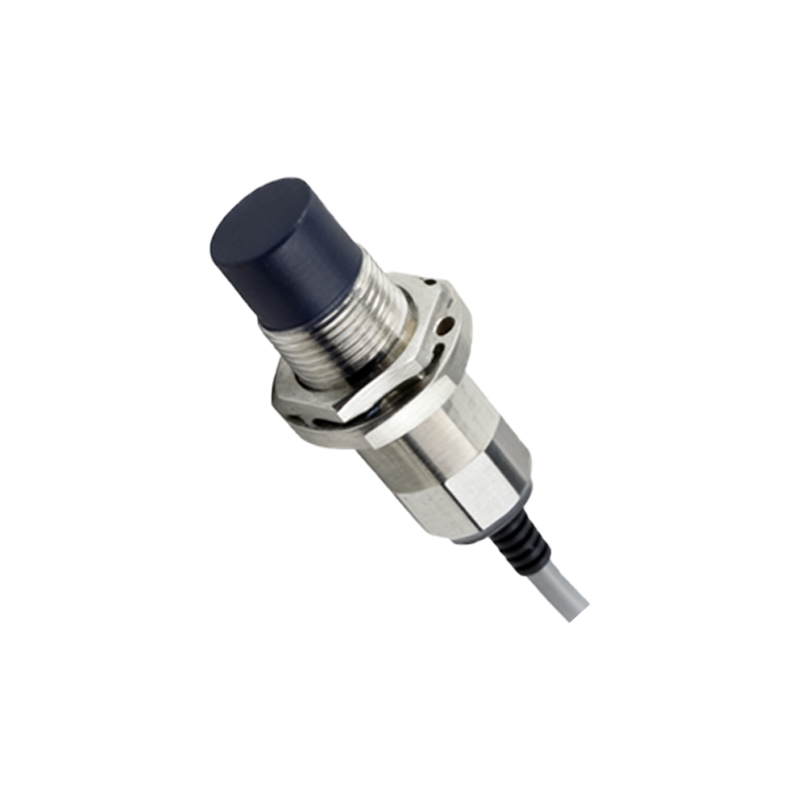
In the rapidly evolving landscape of industrial automation and smart technology, proximity sensors play a pivotal role. Among the various form factors, circular proximity sensors have become a cornerstone due to their robust design, reliable performance, and versatility in diverse applications. These sensors, typically cylindrical, are engineered to detect the presence or absence of objects without physical contact, utilizing technologies such as inductive, capacitive, ultrasonic, or photoelectric principles. The demand for high-precision, durable, and efficient sensing solutions has propelled several companies to the forefront of this niche market, driving innovation and setting new industry standards.
Leading the charge are established global players known for their engineering excellence and extensive product portfolios. Companies like Pepperl+Fuchs, a German-based specialist, have long been synonymous with quality in industrial sensor technology. Their circular inductive proximity sensors are renowned for high switching frequencies, exceptional resistance to environmental factors like dust, moisture, and electromagnetic interference, making them ideal for harsh manufacturing environments, from automotive assembly lines to packaging machinery. Similarly, SICK AG, another German powerhouse, offers a comprehensive range of circular sensors that integrate advanced diagnostics and IO-Link communication, enabling predictive maintenance and seamless integration into Industry 4.0 frameworks. Their sensors are pivotal in logistics automation, material handling, and safety systems.
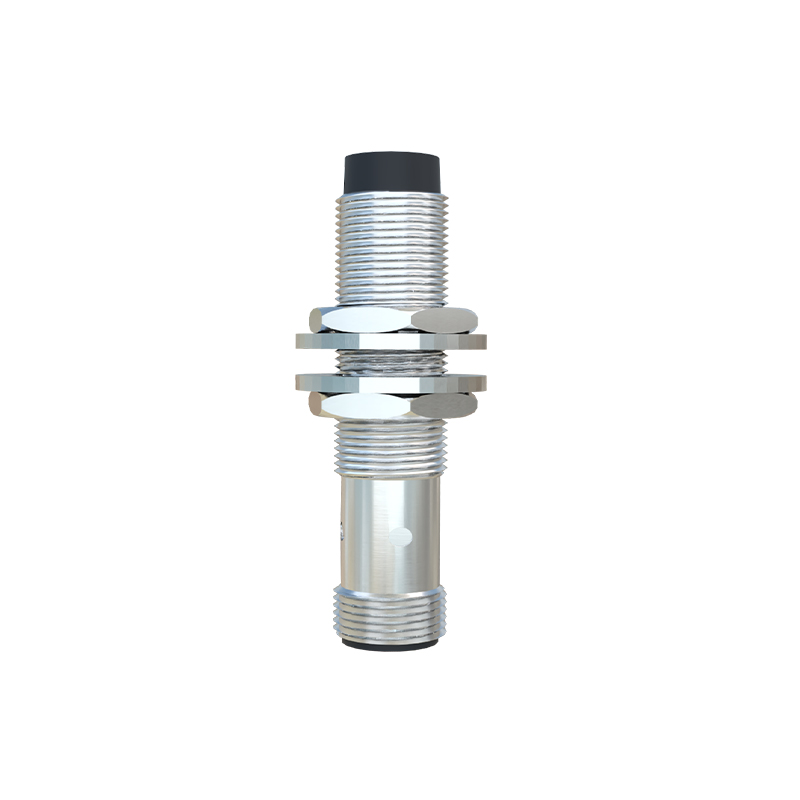
From North America, Banner Engineering stands out with its innovative approach. Their circular photoelectric sensors, for instance, provide long-range detection and precise sensing capabilities even for challenging targets like transparent glass or liquid-filled bottles. The company emphasizes user-friendly features, such as patented alignment indicators and rugged housing designs, which simplify installation and reduce downtime. Equally significant is Omron Corporation from Japan, whose E2E series of circular proximity sensors are celebrated for their compact size, high sensitivity, and all-metal housing options. Omron’s focus on miniaturization and energy efficiency caters to the growing needs of compact machinery and battery-operated devices.
Beyond these giants, specialized firms contribute unique advancements. Turck, for example, offers circular sensors with enhanced flexibility through modular connectors and a wide range of housing materials, including stainless steel for corrosive environments. Their products often feature extended temperature ranges, functioning reliably from freezing cold to extreme heat. Meanwhile, companies like Ifm Electronic focus on smart sensor solutions, where circular proximity sensors are equipped with integrated processors that provide real-time data on operating conditions, wear levels, and potential failures, transforming simple detection devices into intelligent components of the Industrial Internet of Things (IIoT).
The technological evolution within this sector is marked by several key trends. There is a clear shift towards miniaturization, allowing sensors to be installed in increasingly tight spaces without compromising detection range or accuracy. Enhanced connectivity is another critical development; modern circular sensors frequently support digital interfaces like IO-Link, which facilitates parameter setting, remote monitoring, and data exchange with control systems. This connectivity is essential for achieving higher levels of automation and data-driven decision-making. Additionally, improvements in material science have led to sensors with superior resistance to chemicals, extreme temperatures, and mechanical stress, thereby expanding their applicability in sectors such as food and beverage, pharmaceuticals, and outdoor infrastructure.
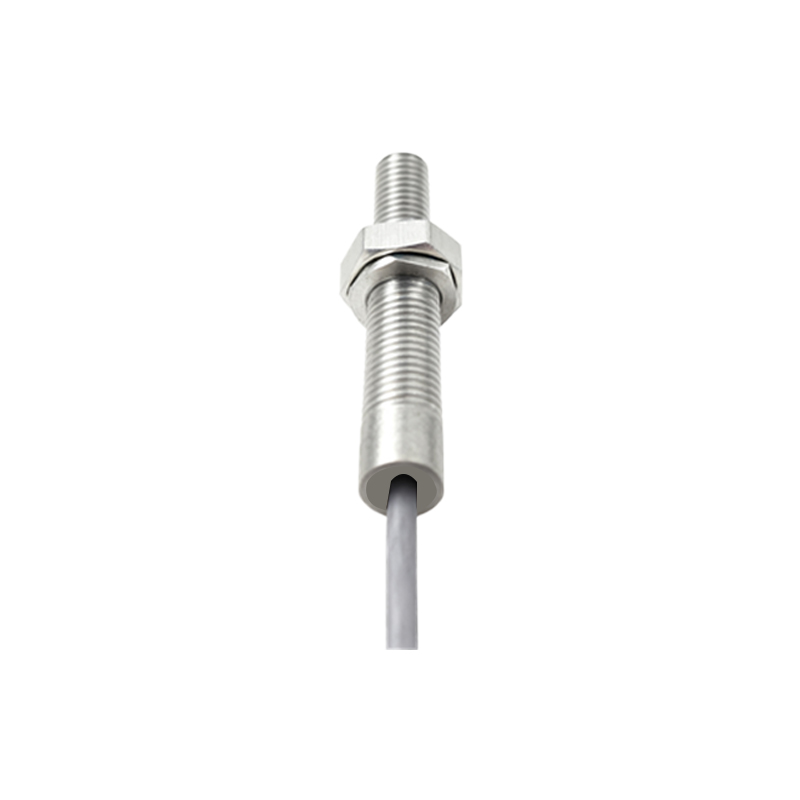
Sustainability and energy efficiency are also becoming central design considerations. Newer models consume less power, contributing to lower operational costs and reduced environmental impact. Furthermore, the ability to detect a wider variety of materials—including non-metallic objects through capacitive variants or specific colors through photoelectric types—adds to the adaptability of circular proximity sensors. This versatility ensures they meet the precise needs of applications ranging from robotic guidance and position verification to liquid level control and safety interlocks.
In conclusion, the market for circular proximity sensors is characterized by intense innovation and competition among leading companies. These organizations are not merely manufacturing components; they are providing integral solutions that enhance productivity, safety, and intelligence in automated systems. As industries worldwide continue to embrace automation and digital transformation, the role of reliable proximity sensing will only grow, with circular sensor companies at the heart of this technological advancement, continuously pushing the boundaries of what is possible in non-contact detection.