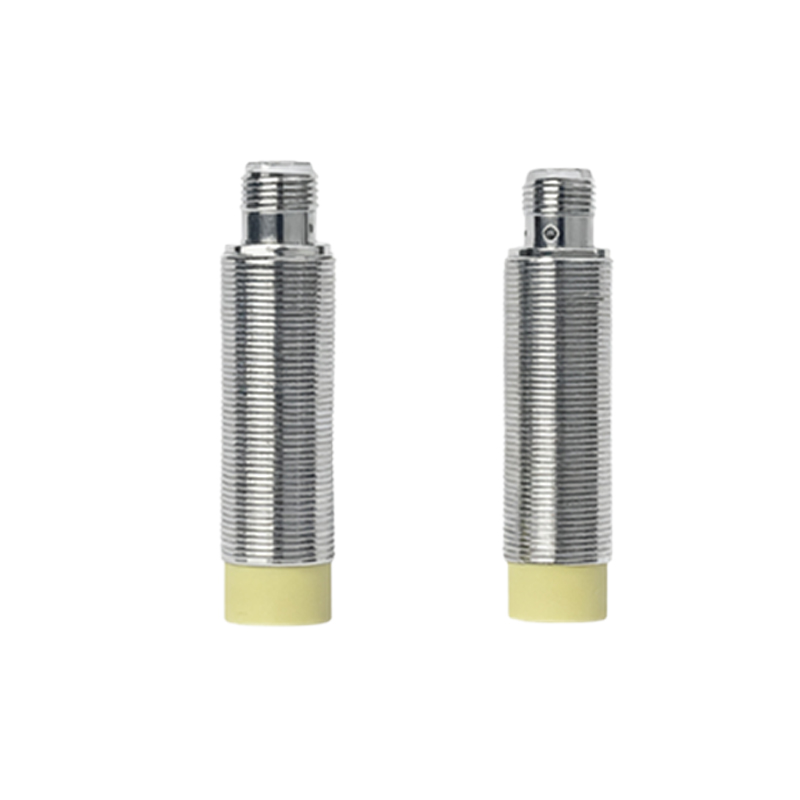
In the realm of industrial automation, proximity sensors serve as critical components for detecting the presence or absence of objects without physical contact. Among various types, shielded proximity sensors stand out for their unique design and robust performance in challenging environments. These sensors, often referred to as "flush-mountable" sensors, incorporate a metal shield around their sensing face, which confines the electromagnetic field and minimizes interference from surrounding metallic objects. This shielding mechanism allows for seamless installation in metal mounting surfaces without compromising detection accuracy, making them indispensable in applications where space constraints and environmental factors are paramount.
The operational principle of shielded proximity sensors is rooted in electromagnetic induction. When an AC current flows through the coil within the sensor, it generates an oscillating magnetic field. The presence of a metallic target within this field induces eddy currents, altering the oscillation amplitude and triggering a switch signal. The shield, typically made of ferrite or similar materials, effectively contains the magnetic field, preventing lateral dispersion and reducing the risk of false triggers from adjacent machinery or structural elements. This design ensures stable sensing distances, even when the sensor is embedded in metal brackets or enclosures, a common scenario in automated assembly lines, robotics, and material handling systems.
Key advantages of shielded proximity sensors include enhanced immunity to electromagnetic interference (EMI) and reduced installation complexity. Unlike unshielded variants, which require precise clearance from metallic surroundings to avoid performance degradation, shielded sensors can be mounted flush with metal surfaces, simplifying mechanical design and maintenance. This feature is particularly beneficial in high-density industrial setups, such as CNC machines, conveyor systems, and packaging equipment, where sensor reliability directly impacts operational efficiency and safety. Additionally, the compact form factor of shielded sensors enables integration into tight spaces, supporting the trend toward miniaturization in modern manufacturing.
When selecting a shielded proximity sensor, engineers must consider factors like sensing range, material compatibility, and environmental ratings. Standard sensing distances typically range from 1 to 20 millimeters, depending on the target material (e.g., steel, aluminum, or copper). It is crucial to note that the effective sensing distance may vary with target composition and size, necessitating careful calibration during deployment. Furthermore, industrial-grade sensors often comply with IP67 or higher ingress protection ratings, ensuring durability against dust, moisture, and chemical exposure in harsh conditions like automotive plants or food processing facilities.
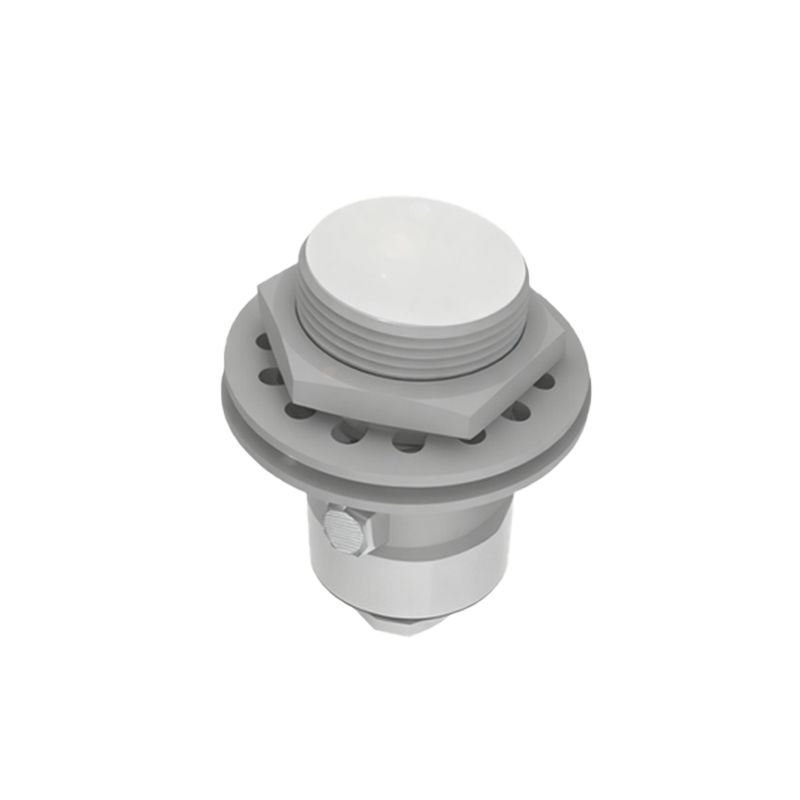
Applications of shielded proximity sensors span diverse sectors, from automotive manufacturing to renewable energy systems. In automotive production lines, they facilitate precise positioning of components during welding or assembly processes, while in renewable energy, they monitor turbine blade movement in wind farms. The sensors' ability to operate reliably in high-vibration and temperature-extreme environments underscores their versatility. As Industry 4.0 advances, integrating these sensors with IoT platforms enables predictive maintenance and real-time data analytics, further optimizing productivity.
Despite their benefits, shielded proximity sensors have limitations. The shielding can slightly reduce the maximum sensing range compared to unshielded models, and they may be less effective for detecting non-metallic objects. However, ongoing innovations in materials science and digital signal processing are addressing these gaps, with newer models offering extended ranges and smart diagnostics. In conclusion, shielded proximity sensors represent a cornerstone of industrial automation, balancing precision, durability, and ease of use. Their continued evolution will play a pivotal role in shaping resilient and intelligent manufacturing ecosystems worldwide.