Proximity sensors are essential components in modern automation and electronics, designed to detect the presence or absence of objects without physical contact. These devices operate by emitting electromagnetic fields, light, or sound waves and analyzing changes in the return signal. The absence of mechanical contact ensures minimal wear, high reliability, and long operational life, making them ideal for harsh environments where dust, moisture, or extreme temperatures are present.
Among the most common types are inductive proximity sensors, which detect metallic objects. They generate an oscillating electromagnetic field, and when a metal target enters this field, it induces eddy currents, causing a change in oscillation amplitude that triggers detection. These sensors are widely used in industrial settings for tasks like counting metal parts, monitoring machine positions, or ensuring safety in automated systems.
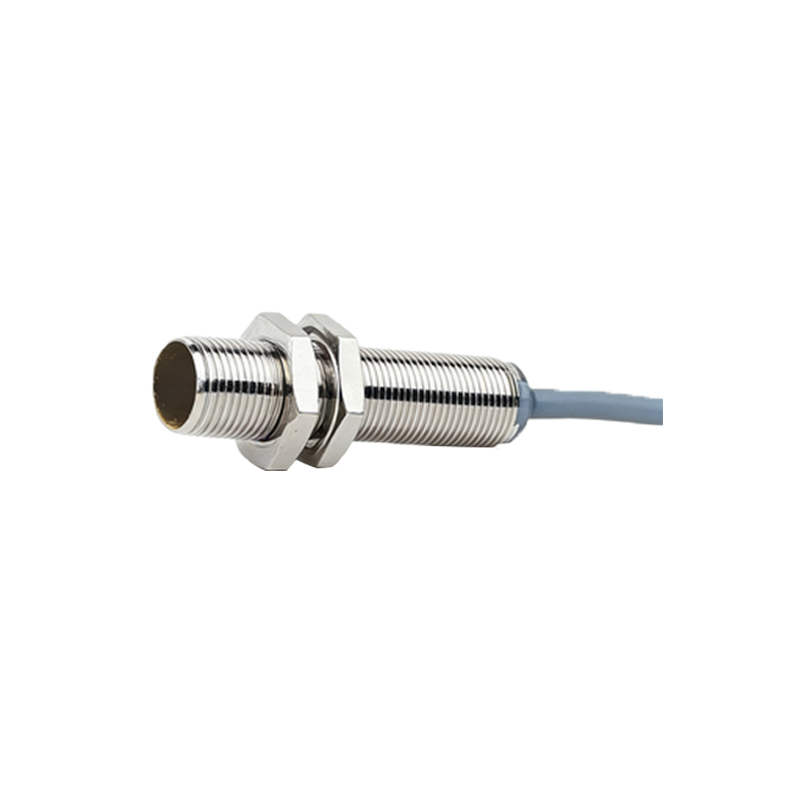
Capacitive proximity sensors, on the other hand, can detect both metallic and non-metallic materials, including liquids, plastics, and wood. They work by measuring changes in capacitance when an object enters an electrostatic field. This versatility makes them suitable for applications such as level detection in tanks, material handling, and touch-sensitive interfaces in consumer electronics.
Ultrasonic proximity sensors utilize sound waves beyond human hearing to measure distance or detect objects. By emitting ultrasonic pulses and calculating the time taken for echoes to return, they can accurately sense objects regardless of color, transparency, or material composition. Common uses include parking assistance systems, robotics navigation, and liquid level monitoring in industrial processes.
Photoelectric proximity sensors rely on light beams, typically infrared, to detect objects. They consist of an emitter and a receiver; when an object interrupts or reflects the light beam, the sensor triggers a response. These sensors excel in long-range detection and are employed in packaging machinery, conveyor systems, and security alarms.
Magnetic proximity sensors detect permanent magnets, often using reed switches or Hall effect technology. They are compact, energy-efficient, and frequently found in automotive applications, door position sensing, and speed measurement devices.
The selection of a proximity sensor depends on factors like target material, detection range, environmental conditions, and cost. For instance, inductive sensors are cost-effective for metal detection but limited in range, while ultrasonic sensors offer greater flexibility but may be influenced by temperature or air turbulence.
In practice, proximity sensors enhance efficiency and safety across industries. In manufacturing, they enable precise control of assembly lines, prevent collisions in robotics, and monitor inventory. In automotive systems, they support features like automatic braking and parking sensors. Consumer electronics, such as smartphones, use proximity sensors to disable touchscreens during calls, conserving power and preventing accidental inputs.
Advancements in technology continue to expand their capabilities, with miniaturization, improved sensitivity, and integration with IoT (Internet of Things) platforms. Smart sensors now provide real-time data analytics, enabling predictive maintenance and optimized operations. As automation and smart devices proliferate, proximity sensors will remain pivotal in enabling seamless, contactless interactions between machines and their environments.
To ensure optimal performance, proper installation and calibration are crucial. Factors like sensor alignment, interference from other electronic devices, and environmental contaminants should be considered during deployment. Regular maintenance, such as cleaning lenses in photoelectric sensors or checking for debris in ultrasonic units, helps sustain accuracy and longevity.
In summary, proximity sensors are versatile tools that bridge the gap between physical objects and electronic systems. By understanding their types and applications, engineers and technicians can leverage these devices to innovate and improve processes in an increasingly automated world.