Selecting the right proximity sensor for an application involves balancing technical requirements with budget constraints. Proximity sensors, which detect the presence or absence of objects without physical contact, come in various technologies including inductive, capacitive, ultrasonic, and photoelectric types. Each type has distinct operational principles, suitable environments, and cost structures.
Inductive sensors are commonly used for detecting metallic objects. They are robust, reliable, and typically cost-effective for industrial metal detection tasks. Prices for basic inductive sensors can start as low as $20 to $50 per unit for standard models, but specialized versions with extended sensing ranges or enhanced durability may range from $80 to $200. Factors influencing price include sensing distance, housing material (e.g., stainless steel vs. plastic), output type (PNP/NPN), and additional features like IO-Link connectivity or high-temperature resistance.
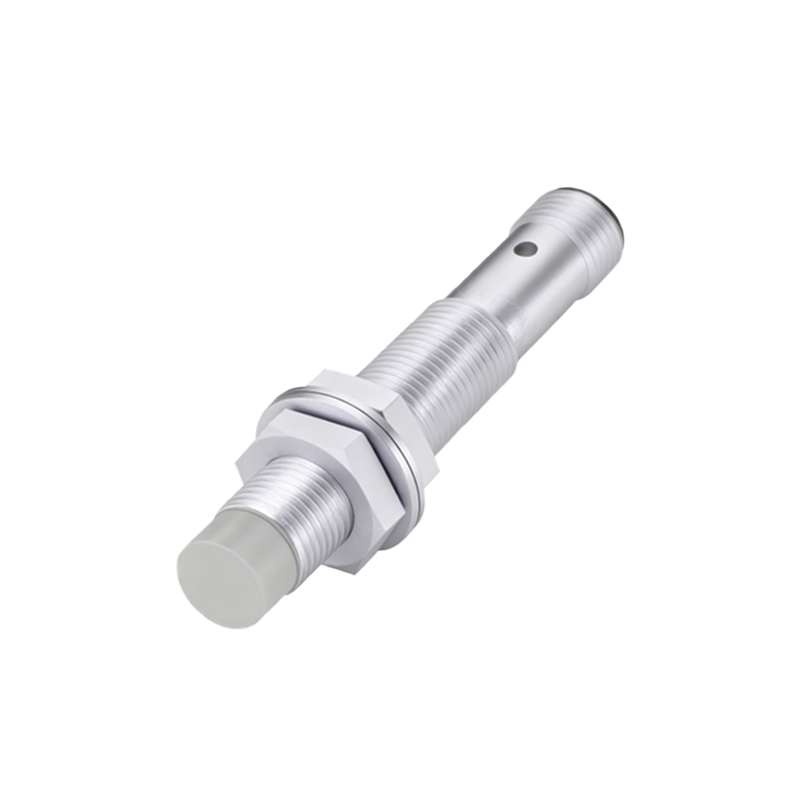
Capacitive sensors can detect both metallic and non-metallic materials, such as liquids, plastics, or wood. These sensors are versatile but often come at a higher price point than inductive ones due to their complex circuitry. Entry-level capacitive sensors might cost between $30 and $70, while advanced models with adjustable sensitivity or specialized coatings can exceed $150. Applications in food processing or chemical industries, where corrosion-resistant materials are needed, further increase costs.
Ultrasonic sensors use sound waves to detect objects over longer distances, regardless of material composition. They are ideal for challenging environments with dust, moisture, or varying surface colors. Pricing varies significantly based on range and precision; basic ultrasonic sensors start around $50 to $100, but high-precision models with analog outputs or background suppression capabilities can cost $200 to $500. Additional expenses may include mounting accessories or calibration tools.
Photoelectric sensors employ light beams to detect objects and are available in through-beam, retro-reflective, and diffuse reflection types. They offer long sensing ranges and fast response times. Costs depend on the technology and features: simple diffuse sensors may be priced from $25 to $60, while through-beam sensors with precise alignment or fiber optic extensions can range from $80 to $300. Environmental factors like outdoor use or cleanroom compliance also impact pricing.
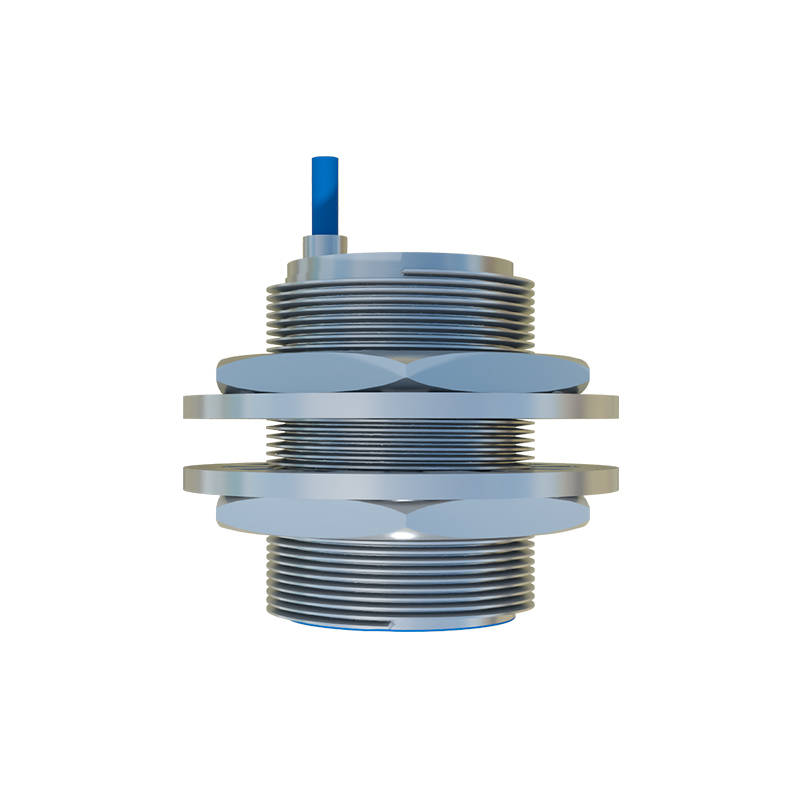
When evaluating proximity sensor costs, consider total ownership expenses beyond the initial purchase. Installation, maintenance, and potential downtime due to sensor failure can add hidden costs. For example, a cheaper sensor might require frequent replacements in harsh conditions, leading to higher long-term expenses. Conversely, investing in a premium sensor with higher ingress protection (IP) ratings or self-diagnostic functions can reduce maintenance and improve system reliability.
To optimize budget, clearly define application requirements: required sensing distance, target material, environmental conditions (temperature, humidity, contaminants), and necessary outputs. Consulting with suppliers or engineers can help identify cost-effective solutions without compromising performance. Many manufacturers offer volume discounts, so purchasing in bulk for large projects can lower per-unit costs. Additionally, consider modular designs that allow easy upgrades or replacements to adapt to future needs.
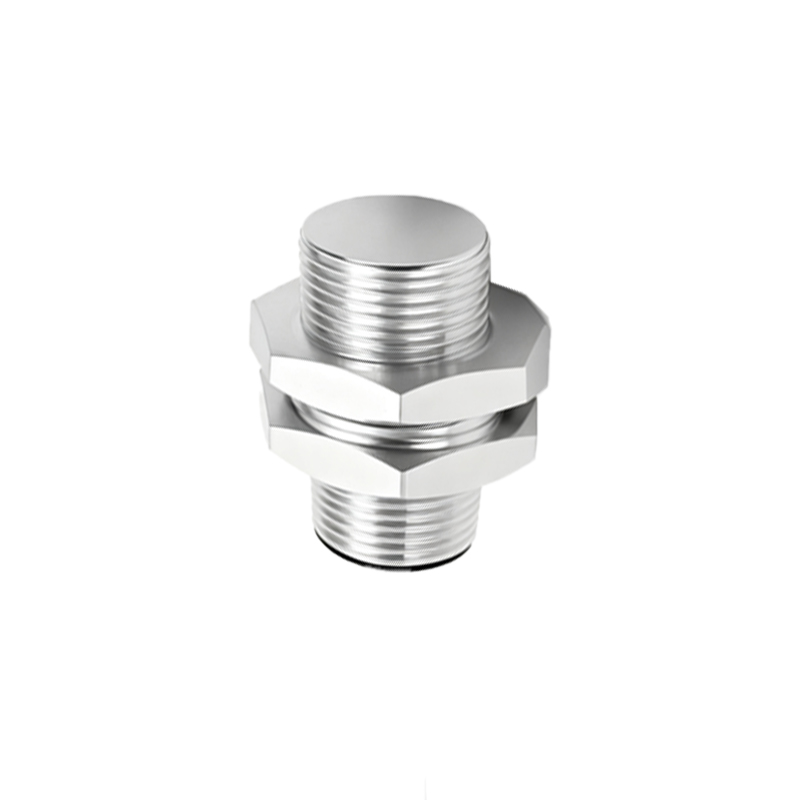
In summary, proximity sensor pricing is influenced by technology, specifications, and application demands. A thorough analysis of both technical and economic factors ensures a selection that meets operational goals while controlling expenditures. By prioritizing key features and understanding market options, buyers can make informed decisions that balance quality, functionality, and cost.