In industrial and scientific applications where operations plunge into the deep freeze, standard sensors falter. Environments like cryogenic storage facilities, aerospace testing chambers, pharmaceutical freeze-drying lines, and polar research stations demand components that not only function but thrive in sub-zero conditions. This is the critical domain of the ultra-low temperature proximity switch sensor, a specialized device engineered for reliable detection and switching tasks where temperatures can drop to -40°C, -60°C, or even lower.
Unlike their conventional counterparts, these sensors are built from the ground up to withstand thermal extremes. The core challenge lies in the physical behavior of materials at ultra-low temperatures. Standard plastics and metals become brittle, lubricants solidify, and electronic components can behave unpredictably. Manufacturers of ultra-low temperature proximity sensors address this through meticulous material science. Housing and sensing faces are constructed from specialized stainless-steel alloys or engineered polymers that retain their toughness and dimensional stability. Internal seals utilize elastomers like fluorocarbon or specialized silicone compounds that remain flexible, preventing ingress of moisture which could freeze and cause catastrophic failure.
The sensing technology itself must be robust. Inductive proximity sensors, commonly used for metal detection, are a popular choice. Their coils are wound and potted with compounds that resist cracking from thermal contraction. The oscillator and signal processing circuitry are designed with components rated for the extended temperature range, ensuring stable switching points without drift. For detecting non-metallic objects in freezing environments, capacitive versions are available, similarly fortified against the cold. The output switching element, often a solid-state transistor, is selected for its cold-weather performance, guaranteeing a crisp signal to the programmable logic controller (PLC) even when ice coats the surrounding machinery.
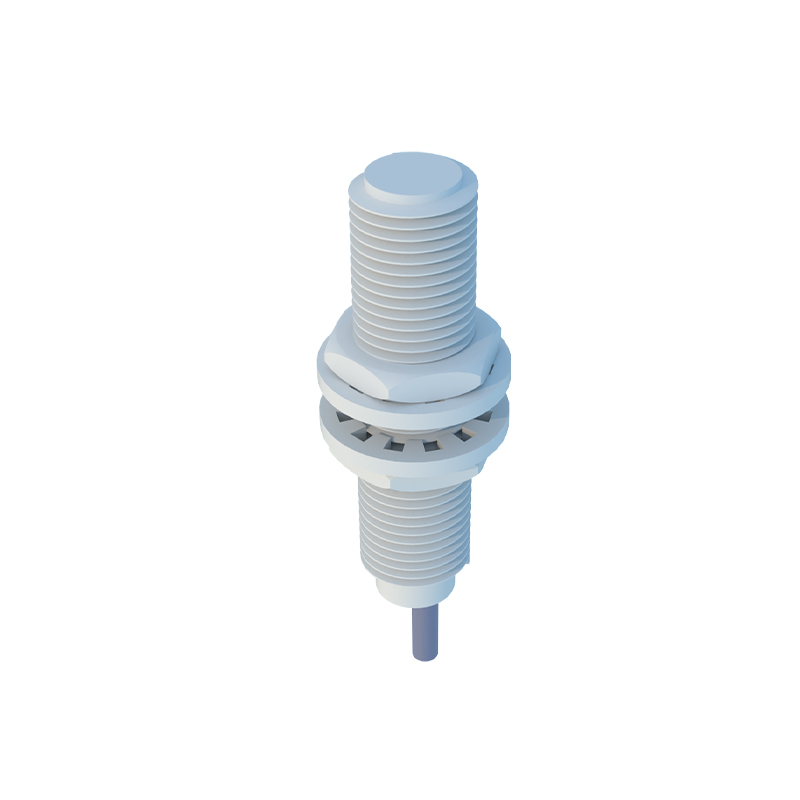
Reliability is the paramount metric. A failure in a liquid nitrogen supply line or a superconducting magnet cooling system is not merely an inconvenience; it can lead to costly spoilage, dangerous situations, or the loss of critical research. Therefore, ultra-low temperature sensors undergo rigorous qualification testing. They are subjected to thermal shock cycles, rapidly moving between ambient and their rated low temperature to test for material fatigue and seal integrity. Long-term endurance tests validate their operational lifespan in a sustained deep freeze. This rigorous validation process is what separates a true ultra-low temperature sensor from a standard sensor with a marginally extended range.
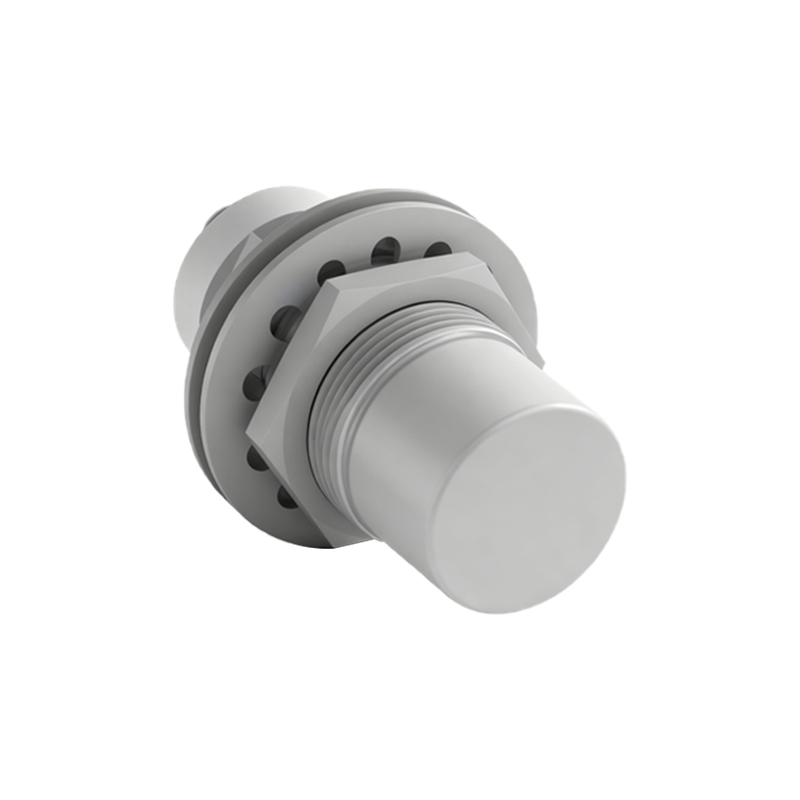
The applications are as demanding as the technology. In the energy sector, they monitor valves and equipment in liquefied natural gas (LNG) facilities, where temperatures hover around -162°C. In biotechnology, they ensure precise positioning in automated sample storage systems within ultra-low temperature freezers, safeguarding valuable vaccines and biological specimens. Food processing lines for frozen goods utilize them to detect product presence on conveyors in blast-freezer tunnels. In physics research, particularly in particle accelerators and quantum computing experiments, these sensors operate reliably near cryogenic fluids like liquid helium, providing essential feedback for system control.
Selecting the right sensor requires careful consideration of several parameters beyond just the temperature rating. The required sensing distance, target material, housing style (cylindrical or rectangular), electrical output type (PNP/NPN, NO/NC), and connection method (pre-wired or quick-disconnect) must all align with the application. Furthermore, certifications for specific industries, such as food-grade approvals or explosion-proof ratings for use in cold, volatile atmospheres, may be necessary.
Installation and maintenance also have nuances in extreme cold. Conduit entries must be properly sealed to prevent "cold leaks" and ice buildup. While the sensors are designed to be resilient, periodic visual inspections for physical damage or ice accumulation are recommended. Understanding that the sensor body will be at ambient temperature is crucial for personnel safety to prevent cold burns.
In conclusion, ultra-low temperature proximity switch sensors represent a fusion of precision engineering and advanced materials science. They are not merely accessories but fundamental enabling components for modern industry and science, allowing for automation, safety, and control in environments once considered too hostile for reliable electronics. As technology pushes into ever-colder frontiers, the evolution of these sensors will continue, providing the essential "sense of touch" for machinery operating at the very limits of temperature.