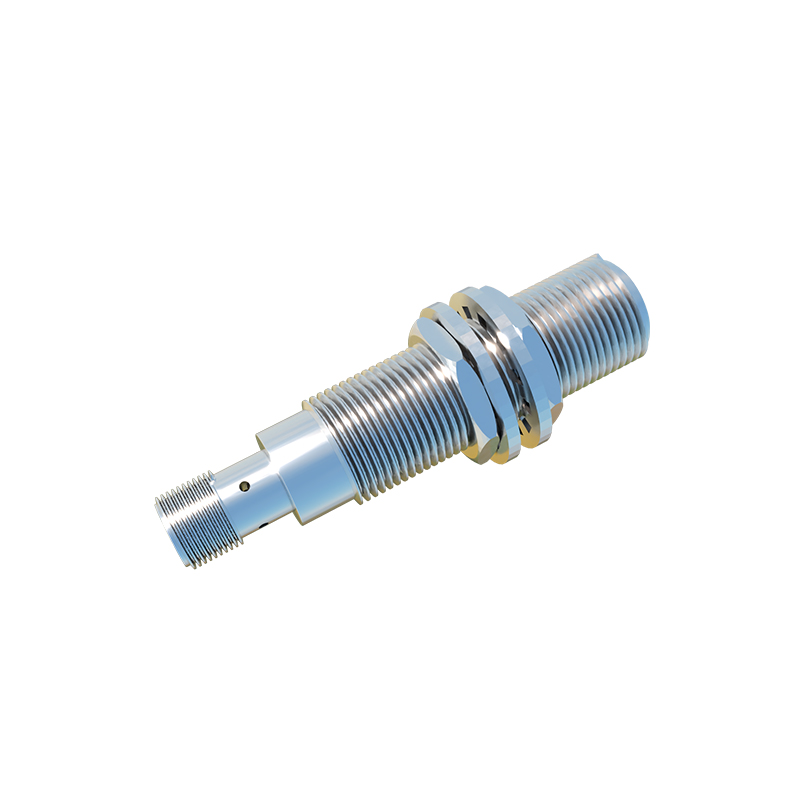
In the demanding world of industrial automation and process control, the ability to reliably detect the presence or absence of an object without physical contact is paramount. This is where proximity sensors excel. However, standard models often fail when faced with extreme conditions, particularly high-pressure environments. High-pressure proximity sensors are specialized devices engineered to deliver consistent, accurate performance where conventional sensors would falter or fail completely. These robust components are indispensable in sectors like oil and gas, hydraulic systems, deep-sea exploration, and high-pressure manufacturing.
The core challenge in high-pressure applications is the immense force exerted on sensor housings and internal components. Standard sensors might suffer from housing deformation, seal failure, or diaphragm rupture, leading to inaccurate readings or catastrophic failure. High-pressure proximity sensors address these issues through meticulous design and material selection. Their housings are typically constructed from high-grade stainless steel, such as 316L or 17-4PH, which offers excellent corrosion resistance and mechanical strength. Critical sealing is achieved using multiple redundant seals, often made from advanced elastomers like FKM (Viton) or FFKM (Kalrez), capable of withstanding both extreme pressure and a wide range of chemical exposures.
From a technological standpoint, these sensors primarily utilize inductive, capacitive, or magnetic operating principles, chosen based on the target material and environmental specifics. Inductive sensors, detecting metallic objects, are common in hydraulic cylinder position sensing. Their sensing face is designed to minimize pressure-induced stress concentrations. Capacitive sensors can detect non-metallic materials and are sometimes used in fluid level detection within pressurized vessels. A key design feature is the pressure-balanced or compensated sensing element, which ensures that the internal electronics are isolated from the external pressure, maintaining calibration and signal integrity.
The performance specifications for high-pressure proximity sensors are significantly more stringent than their standard counterparts. Key ratings include a maximum working pressure (often specified in bar, psi, or MPa), burst pressure (the point of failure), and proof pressure (a test pressure above working limits). For subsea applications, depth ratings correlating to pressure are standard. Temperature ranges are also broader, typically from -40°C to +125°C or higher, accounting for the heat generated in high-pressure systems. Electrical connections are another critical area, featuring hermetically sealed glass-to-metal feedthroughs or high-integrity molded connectors to prevent pressure leaks along wiring conduits.
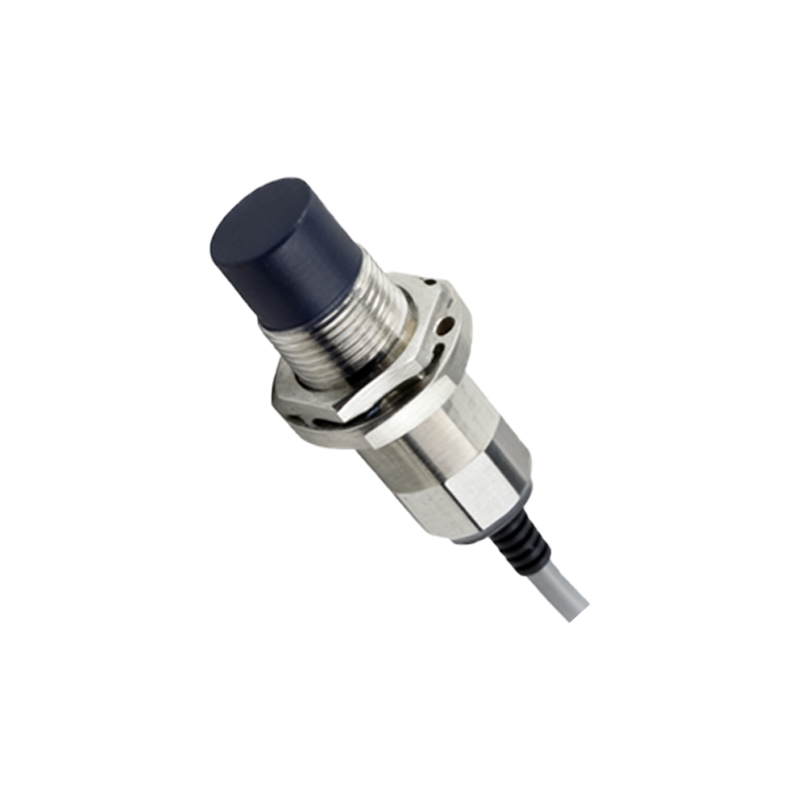
Installation and integration require careful planning. Proper thread specification—such as M12, M18, G1/2, or NPT—with appropriate torque values is crucial to maintain seal integrity without damaging the housing. Mounting in a clean, accessible location, if possible, aids in maintenance. While these sensors are built for durability, regular maintenance checks for seal integrity, housing corrosion, and signal stability are recommended to prevent unplanned downtime. Diagnostic features like IO-Link communication are becoming increasingly common, providing real-time data on sensor health, temperature, and signal strength, enabling predictive maintenance strategies.
The applications are as varied as they are critical. In the oil and gas industry, they monitor valve positions on Christmas trees, detect piston positions in subsea control modules, and ensure safety in high-pressure pumping stations. In industrial hydraulics, they provide precise feedback on cylinder rod position in injection molding machines and heavy press brakes. They are vital in chemical processing for level detection in pressurized reactors and in energy generation for monitoring components within high-pressure steam or gas lines.
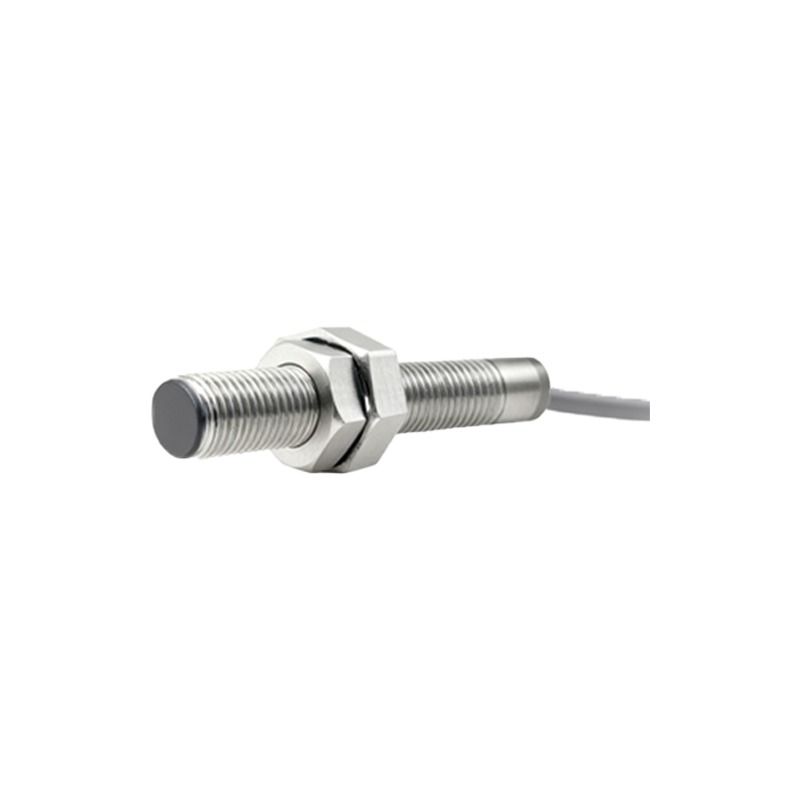
Selecting the right high-pressure proximity sensor involves a detailed analysis of the operating environment. Engineers must consider not only the maximum pressure but also pressure cycles, media compatibility (whether it's seawater, hydraulic oil, or aggressive chemicals), required sensing distance, target material, electrical output type (PNP/NPN, analog, IO-Link), and required safety certifications (e.g., ATEX, IECEx for hazardous areas). Consulting with sensor specialists during the design phase of a system can prevent costly redesigns and operational failures.
In conclusion, high-pressure proximity sensors represent a fusion of precision sensing and rugged engineering. They are not merely accessories but foundational safety and reliability components in systems operating at the limits of pressure. By ensuring accurate, non-contact detection in these punishing conditions, they enable automation, enhance safety, protect valuable assets, and drive efficiency in some of the world's most challenging industrial applications. Their continued evolution, with a focus on higher intelligence, greater durability, and easier integration, will keep pace with the advancing frontiers of engineering and exploration.