In the high-risk environment of coal mining, the integration of advanced laser sensor technology has revolutionized safety protocols and operational efficiency. Laser sensors, known for their precision and reliability, are increasingly deployed in underground mines to monitor critical parameters such as gas concentrations, dust levels, and structural integrity. These devices operate by emitting laser beams that interact with target substances or surfaces, enabling real-time data collection with minimal interference from environmental factors like humidity or temperature fluctuations. For instance, tunable diode laser absorption spectroscopy (TDLAS) sensors are widely used to detect methane and carbon monoxide, key gases that pose explosion risks. By providing continuous monitoring, these sensors allow for early warning systems that can trigger automatic ventilation adjustments or evacuation alerts, significantly reducing the likelihood of catastrophic incidents.
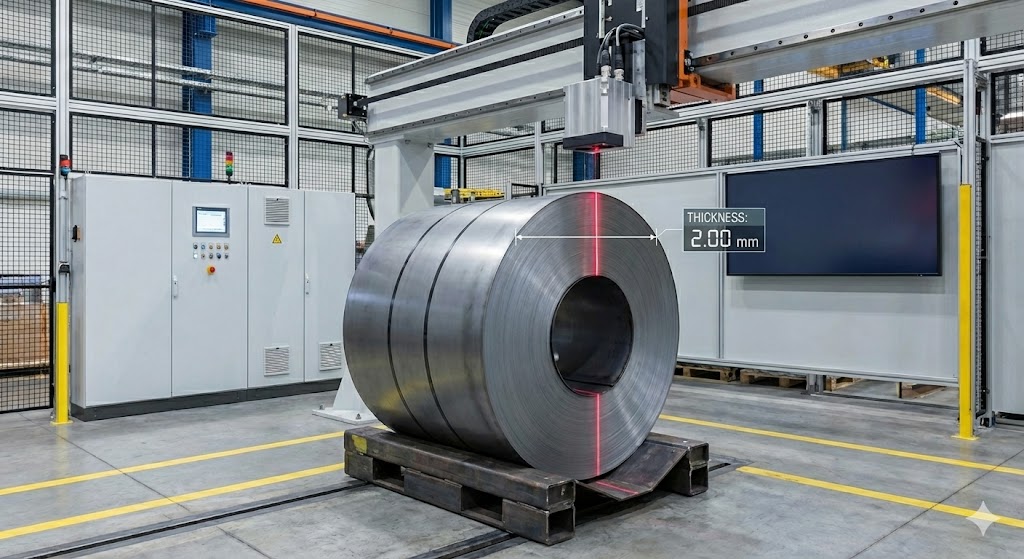
Beyond gas detection, laser sensors play a pivotal role in ensuring equipment safety and optimizing production processes. In longwall mining, laser-based alignment systems ensure that shearers and conveyor belts operate within precise parameters, minimizing wear and tear and preventing costly downtime. Additionally, LiDAR (Light Detection and Ranging) technology is employed for 3D mapping of mine tunnels, aiding in navigation and assessing roof stability to prevent collapses. The non-contact nature of laser sensors makes them ideal for harsh mining conditions, where traditional mechanical sensors might fail due to dust accumulation or physical damage.
The adoption of laser sensors aligns with global trends toward automation and digitalization in mining. Integrated with IoT platforms, these sensors feed data into centralized control systems, enabling predictive maintenance and data-driven decision-making. For example, by analyzing trends in dust particle measurements, mines can optimize water spray systems to suppress dust effectively, improving air quality and worker health. Despite higher initial costs, the long-term benefits—including enhanced safety compliance, reduced operational disruptions, and lower insurance premiums—justify the investment.
However, challenges remain, such as the need for regular calibration and robustness in extreme conditions. Ongoing research focuses on developing more compact, energy-efficient laser sensors with self-diagnostic capabilities. As regulatory standards tighten and technology evolves, laser sensors are poised to become indispensable tools in creating smarter, safer coal mines worldwide, ultimately contributing to sustainable mining practices.