In the realm of industrial automation, proximity sensors are indispensable components, acting as the silent sentinels that detect the presence or absence of objects without physical contact. Selecting the right brand and model is critical for ensuring system reliability, efficiency, and longevity. This guide delves into the landscape of leading proximity sensor manufacturers and their characteristic model series, providing insights for engineers and procurement specialists.
The market is dominated by several established brands, each with its own strengths and technological focus. Sick AG, a German powerhouse, is renowned for its high-precision and innovative sensor solutions. Their IM series inductive sensors are celebrated for robust metal detection in harsh environments, while the W series offers versatile photoelectric sensors with advanced background suppression. Sick's models often feature exceptional ingress protection (IP67/IP69K) and sophisticated diagnostics, making them a premium choice for demanding applications in automotive and material handling.
From Japan, Omron Corporation stands as a titan in factory automation. Omron's E2E and E2A series of cylindrical inductive proximity sensors are industry benchmarks for reliability and compact design. For capacitive sensing, their E2K series excels in detecting non-metallic materials like liquids and plastics. Omron consistently integrates advanced functionalities, such as noise immunity and flexible cabling options, into user-friendly packages, solidifying their position in high-volume manufacturing lines.
Pepperl+Fuchs, another German specialist, excels in application-specific sensor technology, particularly for hazardous areas. Their NBN and NBB series inductive sensors are known for their exceptional switching distance and durability. For intricate sensing tasks, their UC series ultrasonic sensors provide reliable detection regardless of color, transparency, or surface texture. Pepperl+Fuchs is often the go-to brand for process industries, chemical plants, and other environments requiring intrinsic safety certifications (e.g., ATEX, IECEx).
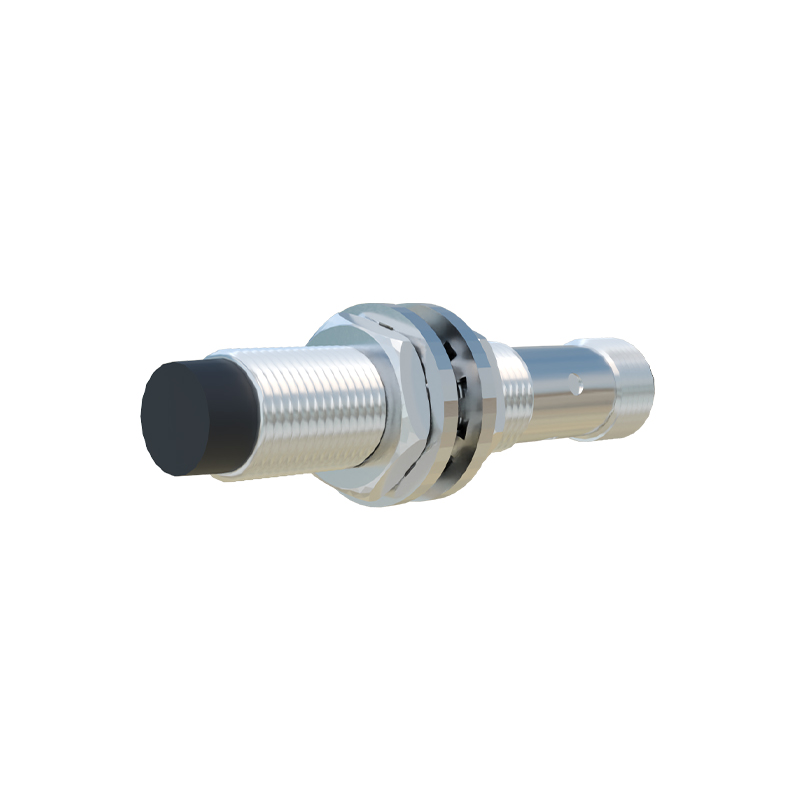
Balluff, with its strong German engineering heritage, offers a vast portfolio known for modularity and smart features. Their BES inductive sensor series provides a wide range of housing styles and electrical outputs. A standout is their RFID system integration, where sensors like the BIS series combine standard detection with data read/write capabilities, paving the way for Industry 4.0 applications. Balluff models frequently emphasize easy mounting and connectivity.
Rockwell Automation (Allen-Bradley) is a key player in the North American market, offering sensors that seamlessly integrate with their broader control ecosystem. Their 871TM series tubular inductive sensors and 42AF multi-function photoelectric sensors are designed for easy configuration and diagnostics within the Rockwell architecture. This deep integration simplifies wiring, programming, and troubleshooting for facilities standardized on Allen-Bradley PLCs and networks.
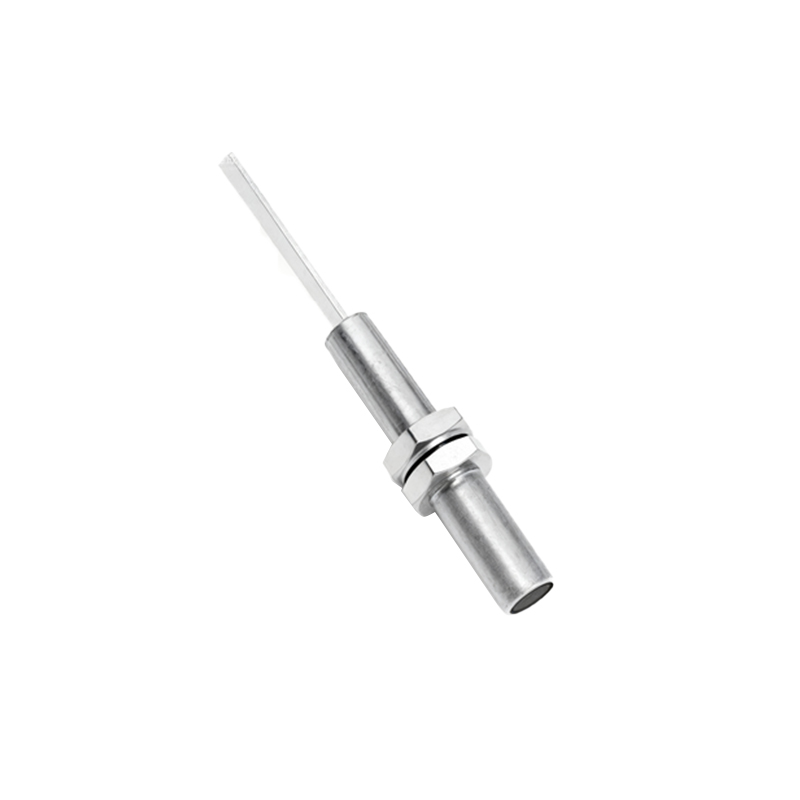
When selecting a model, engineers must evaluate specifications beyond the brand name. Key parameters include:
Sensing Principle: Inductive (metals), Capacitive (metals/non-metals), Ultrasonic, or Photoelectric.
Sensing Distance: The nominal operating range, often derated for different target materials.
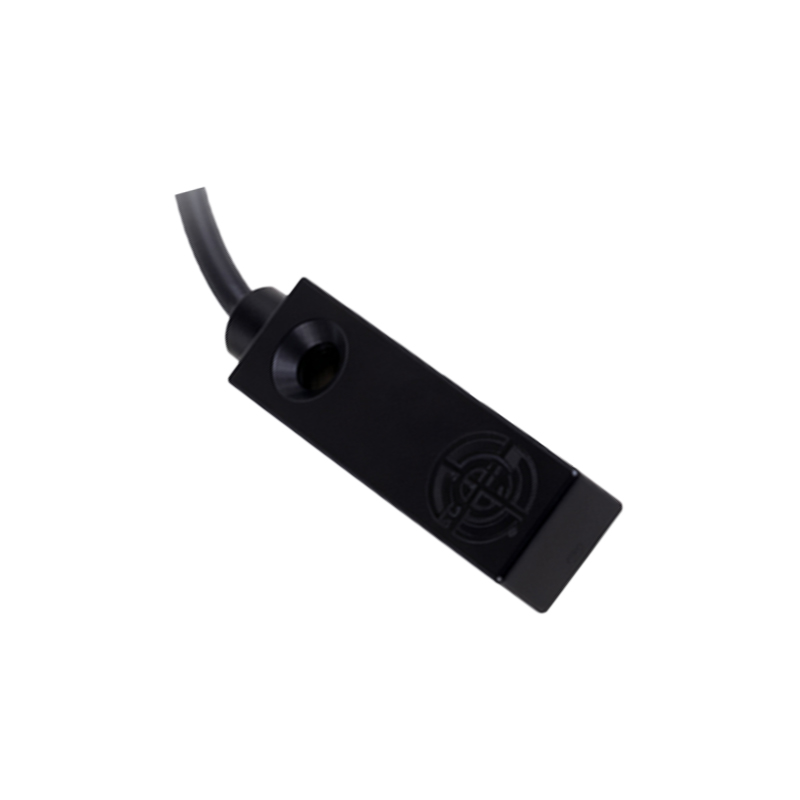
Output Type: PNP/NPN, NO/NC, analog, or IO-Link for digital communication.
Housing Material and Form Factor: Stainless steel, brass, or PBT plastic in cylindrical, rectangular, or ring shapes.
Environmental Ratings: IP rating for dust/water resistance and temperature range.
The trend is unmistakably toward smarter sensors. Models with IO-Link communication, now offered across major brands like Sick (IMC series), Balluff (BES series with IO-Link), and Pepperl+Fuchs, are becoming standard. This protocol enables parameter setting, real-time process data monitoring, and advanced diagnostics directly from the controller, reducing downtime and enabling predictive maintenance.
In conclusion, there is no single "best" brand. The optimal choice hinges on the specific application—be it detecting a metal gear tooth on a high-speed assembly line with an Omron E2E, sensing liquid level through a tank wall with a Pepperl+Fuchs capacitive sensor, or implementing a track-and-trace system with a Balluff RFID-equipped sensor. Understanding the core competencies of each major brand and meticulously matching their model specifications to the operational, environmental, and connectivity requirements of the application is the hallmark of proficient system design. Always consult the latest technical datasheets and consider lifecycle costs, including availability and support, when making your final selection.