In the world of industrial automation and machinery, the ability to detect objects without physical contact is paramount. Among the various technologies enabling this capability, aluminum proximity sensors hold a unique and critical position. These specialized sensors are designed to reliably detect the presence or absence of aluminum and aluminum alloy targets, a task where standard inductive sensors often fall short. Their operation is a sophisticated dance of electromagnetic fields and material properties.
The core principle behind an aluminum proximity sensor is electromagnetic induction. Unlike standard inductive sensors that generate an oscillating electromagnetic field optimized for ferrous metals like steel, aluminum sensors operate at a much higher frequency. This high-frequency field induces stronger eddy currents in conductive but non-ferrous materials, specifically aluminum. The sensor's circuitry is finely tuned to monitor the damping of this oscillating field caused by these eddy currents. When an aluminum target enters the detection zone, the energy loss increases, triggering a change in the sensor's output state. This specialized tuning is what allows them to ignore or be less sensitive to steel, while achieving stable and repeatable detection of aluminum targets.
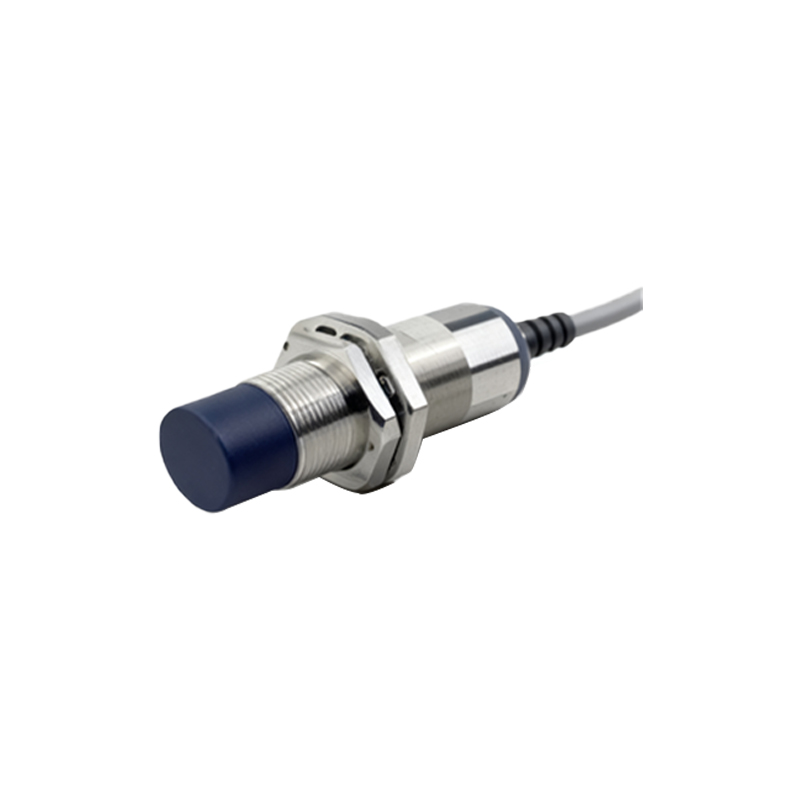
The applications for these sensors are vast and integral to modern manufacturing. In automotive assembly lines, they are indispensable for verifying the presence of aluminum engine blocks, cylinder heads, or wheels before a machining or assembly operation proceeds. Within the aerospace industry, they ensure the precise positioning of aluminum structural components. Packaging lines extensively use them to count aluminum cans or detect foil lids. Robotic welding cells employ them to confirm the correct placement of aluminum workpieces before the welding arc is initiated. Furthermore, they play a crucial role in material handling systems to sort aluminum scrap from other metals, adding efficiency to recycling processes.
Selecting the right aluminum proximity sensor requires careful consideration of several key parameters. First, the sensing distance, often specified as the nominal range for a standard target, must be chosen with the application's mechanical constraints in mind, typically allowing for a reduction factor for aluminum compared to steel. The target size and shape also significantly influence the effective sensing range; smaller targets require closer proximity. Environmental factors are critical. Many industrial sensors are housed in rugged, corrosion-resistant stainless steel bodies with ingress protection ratings like IP67 or IP69K to withstand coolant, washdowns, and dust. The output type—whether NPN (sinking), PNP (sourcing), or analog—must be compatible with the controlling PLC or input module. Finally, form factors range from tubular barrels to rectangular block styles and even ring-shaped sensors for detecting parts passing through their center.
A common challenge is differentiating aluminum from other metals or detecting aluminum in the presence of a steel machine frame. Advanced sensors offer features like increased sensitivity adjustment or background suppression technology to mitigate these effects. For the most demanding applications, such as detecting specific aluminum alloys with varying conductivity, specialized sensors with teach-in functionality allow the user to "program" the sensor to the exact target material at installation.
Installation and maintenance are straightforward but vital for optimal performance. Ensuring a stable power supply within the sensor's specified voltage range is essential. Metallic mounting surfaces can influence the electromagnetic field, so non-ferrous mounting brackets or maintaining the recommended clearance around the sensor's sensing face is advised. Regular cleaning of the sensing face to remove contaminants like metal chips or oil film ensures consistent detection reliability. While these sensors are known for their longevity due to their solid-state design, periodic functional checks are recommended as part of preventive maintenance.
In conclusion, aluminum proximity sensors are not merely variants of standard inductive sensors; they are purpose-engineered solutions for a specific material challenge. Their ability to provide non-contact, wear-free detection of aluminum components enhances system reliability, increases production speed, and reduces downtime across countless industries. From ensuring quality control in precision manufacturing to enabling automation in material sorting, these sensors are a fundamental component in the seamless and intelligent operation of modern industrial equipment. Understanding their operating principle, key selection criteria, and application best practices is crucial for engineers and technicians aiming to implement robust and efficient automated systems.