In today's fast-paced industrial and technological landscape, speed and accuracy are non-negotiable. The 10s proximity sensor represents a significant leap forward in detection technology, designed to deliver reliable object sensing within a remarkable ten-second framework for setup and response cycles. This isn't just about detecting presence; it's about enabling smarter, more efficient automation where every second counts.
Unlike traditional sensors that may have longer initialization or response times, the 10s proximity sensor is engineered for applications demanding rapid cycle times. The core principle remains based on electromagnetic fields, infrared light, or ultrasonic waves, depending on the model. However, advanced circuitry and optimized algorithms allow it to power up, calibrate, and begin providing stable detection signals in an extremely short duration. This "10s" capability can refer to both the swift integration into a system and its high-speed operational response, minimizing dead time in production lines or automated processes.
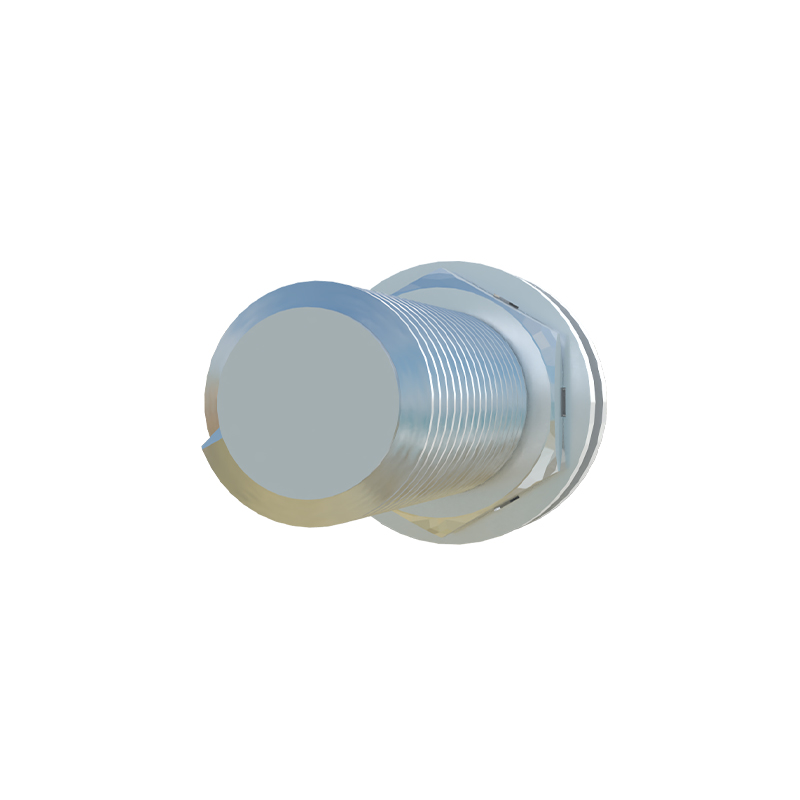
The applications for such a sensor are vast and critical. Imagine a high-speed bottling plant where containers move along a conveyor at blistering speeds. A slow sensor could cause missed detections, leading to jams or incorrect filling. A 10s proximity sensor ensures each bottle is identified and counted accurately without slowing down the line. In automated assembly robotics, these sensors provide near-instantaneous feedback on component presence, allowing for precise and rapid pick-and-place operations. They are equally vital in packaging machinery, material handling systems, and anywhere else where throughput is directly tied to sensor performance.
Choosing the right 10s proximity sensor requires careful consideration of several factors. First, the sensing technology: inductive sensors are perfect for detecting metallic objects, capacitive sensors can handle non-metals like liquids or plastics, and photoelectric sensors offer longer ranges for various materials. Second, the sensing range must match the application's physical constraints. Third, environmental robustness is key; many industrial-grade models feature rugged housings with high IP ratings for resistance to dust, water, oils, and coolant sprays. Output type (PNP/NPN analog or digital) and connection methods also play a crucial role in ensuring compatibility with existing control systems like PLCs.
Installation and alignment are straightforward but essential for optimal performance. Mounting the sensor securely to minimize vibration, ensuring the correct distance from the target object, and avoiding sensing interference from background materials are standard best practices. Many modern 10s sensors come with built-in LED indicators for easy status monitoring, showing power-on and detection states, which simplifies setup and troubleshooting.
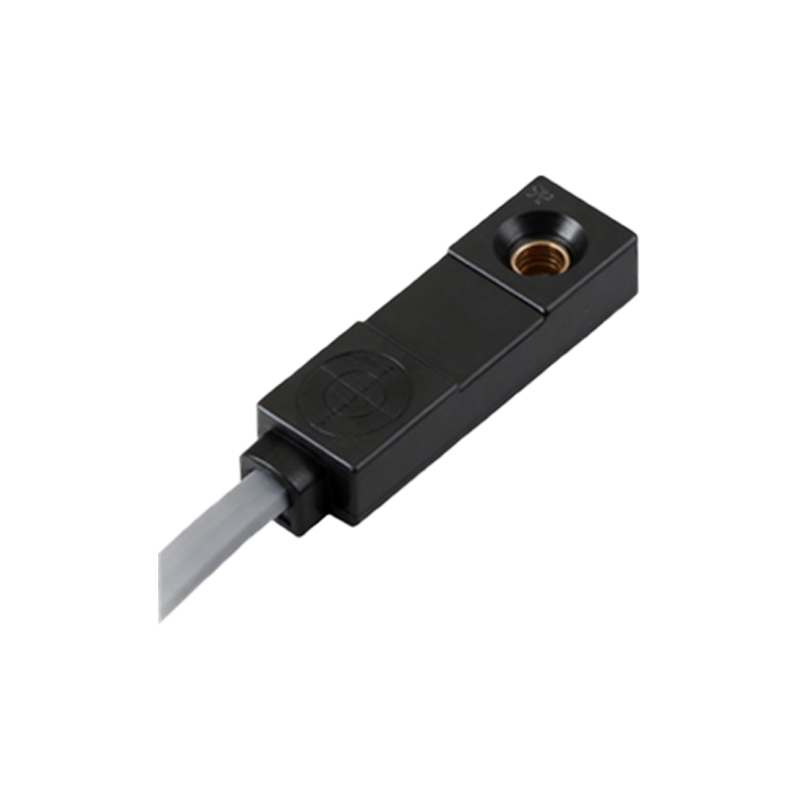
The benefits of integrating these sensors extend beyond mere speed. They enhance overall system reliability, reduce downtime caused by sensor lag or failure, and contribute to higher product quality through consistent and accurate detection. Their durability in harsh conditions translates to lower maintenance costs and longer service life, offering a strong return on investment. Furthermore, their fast response enables the development of more complex and responsive automated systems, pushing the boundaries of what's possible in manufacturing and beyond.
In conclusion, the 10s proximity sensor is more than a component; it is a catalyst for efficiency. By delivering unparalleled speed and dependable accuracy, it addresses the core demands of modern industry. Whether optimizing an existing line or designing a new automated solution, specifying a sensor with this rapid capability is a strategic decision that drives productivity, quality, and competitive advantage. As automation continues to evolve, the role of such high-performance detection devices will only become more central to operational success.