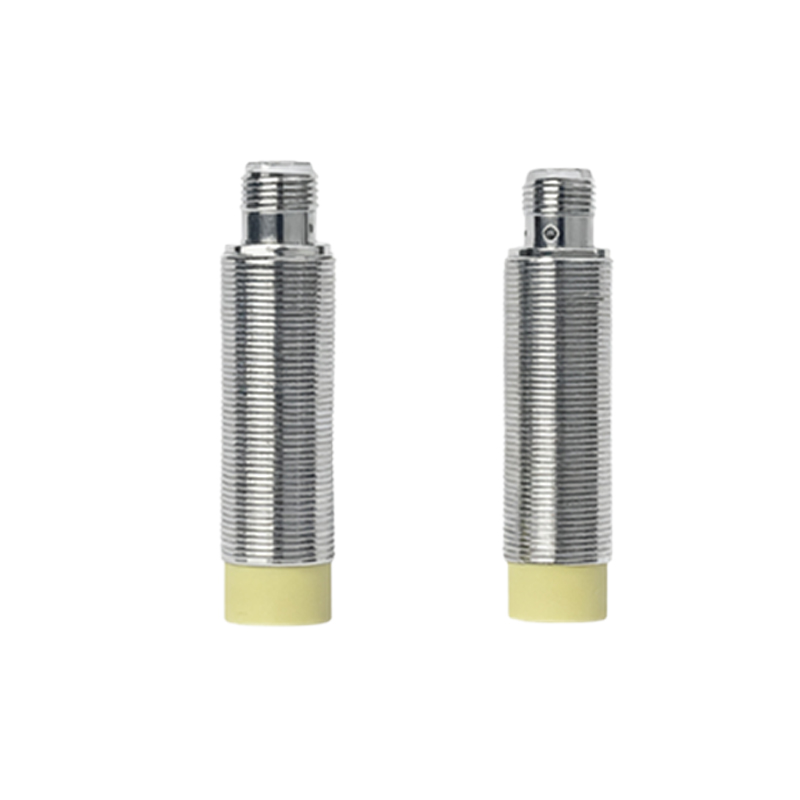
The global landscape for semiconductor proximity sensors is undergoing a significant transformation, driven by relentless demand from diverse industries and complex supply chain dynamics. These sensors, which detect the presence or absence of objects without physical contact using technologies like infrared, ultrasonic, and capacitive sensing, are fundamental components in modern automation, consumer electronics, and automotive systems. Understanding the current state of their supply is crucial for manufacturers and integrators alike.
A primary driver of demand is the accelerated adoption of industrial automation and the Internet of Things (IoT). In smart factories, proximity sensors are indispensable for tasks such as object detection on conveyor belts, robotic arm positioning, and machine safety interlocks. The push for Industry 4.0, with its emphasis on data collection and process optimization, has exponentially increased the sensor count per manufacturing unit. Similarly, the proliferation of IoT devices, from smart home appliances to asset tracking systems, relies heavily on compact, low-power proximity sensors. This surge from multiple fronts has placed unprecedented pressure on the semiconductor supply chain dedicated to these components.
The automotive sector represents another colossal consumer, with the trend toward electric vehicles (EVs) and advanced driver-assistance systems (ADAS) acting as a major catalyst. Modern vehicles incorporate dozens of proximity sensors for functions like parking assistance, blind-spot detection, and touchless user interfaces. The semiconductor content per vehicle continues to climb, and proximity sensors are a key part of this equation. The stringent reliability and safety standards required for automotive-grade semiconductors further complicate the supply picture, as not all foundries are qualified for such production.
On the supply side, the ecosystem is characterized by a concentration of specialized manufacturers and a dependence on advanced fabrication facilities. Leading semiconductor companies design and produce sensor ICs that integrate the sensing element, signal conditioning, and digital interface onto a single chip. The production of these integrated circuits requires access to mature, yet precise, semiconductor process nodes. Recent years have exposed vulnerabilities in this chain, including shortages of raw semiconductor wafers, capacity constraints at foundries, and logistical bottlenecks. While the frantic shortage period has partially eased, allocation for certain sensor types remains tight, and lead times are often extended compared to historical norms.
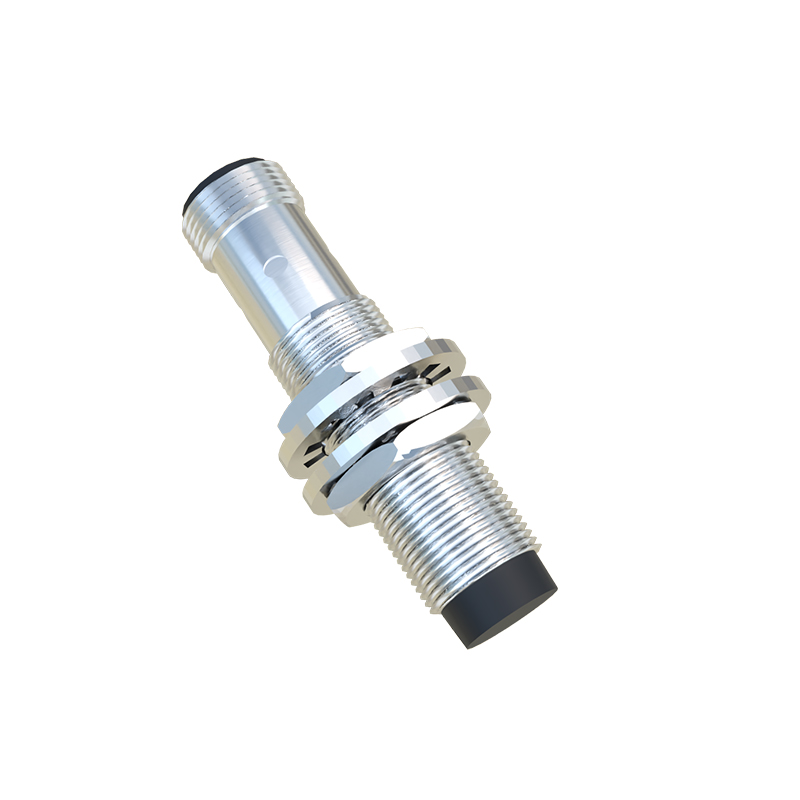
Material availability and geopolitical factors add further layers of complexity. The manufacturing of specific sensor types, particularly those using rare-earth elements or specialized compound semiconductors, can be susceptible to raw material price volatility and trade policies. Export controls and regional tensions have prompted companies to reevaluate their supply chain strategies, fostering a trend towards diversification and regionalization. Some manufacturers are developing dual-source strategies or investing in supplier partnerships to mitigate geographic risks.
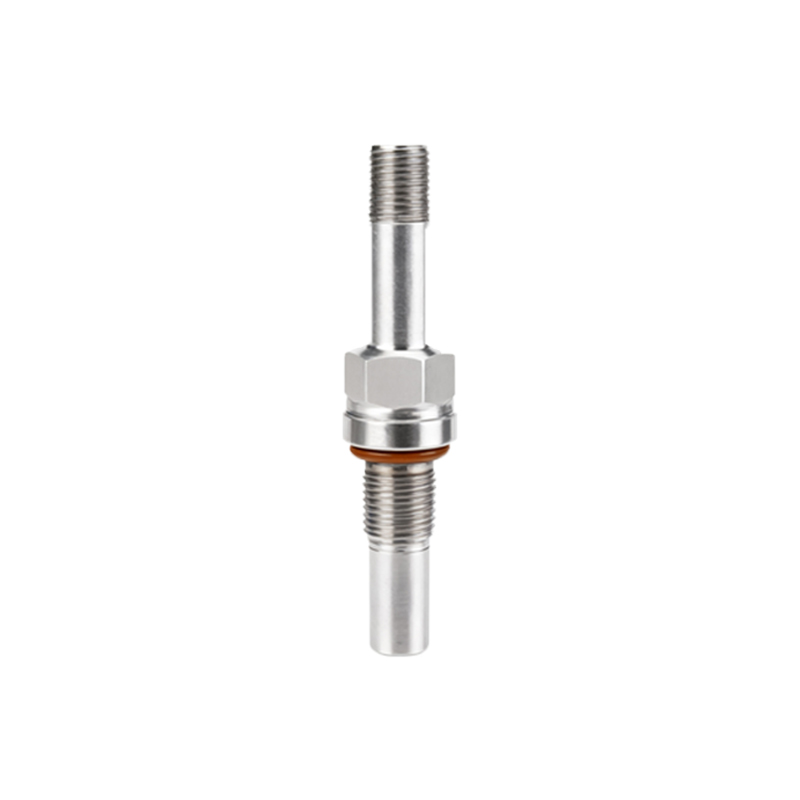
Technological innovation is simultaneously shaping both supply and demand. The development of sensors with higher accuracy, lower power consumption, and smaller form factors creates new market opportunities but also requires continuous investment in research and development. Suppliers that can integrate additional functionalities, such as ambient light sensing or gesture recognition, into a single package gain a competitive edge. However, this innovation cycle demands consistent capital expenditure, which can be challenging during periods of economic uncertainty or margin pressure.
Looking forward, the market for semiconductor proximity sensors is projected to maintain robust growth. Key to stabilizing supply will be increased capital investment in fabrication capacity for analog and mixed-signal chips, stronger collaborative planning between sensor suppliers and their end customers, and the adoption of more resilient, data-driven supply chain models. Companies that proactively manage their component sourcing, engage in long-term agreements with trusted suppliers, and design for flexibility will be best positioned to navigate the evolving landscape. Ultimately, the reliable supply of these essential sensors is not merely a procurement concern but a foundational element for the continued advancement of automation, mobility, and smart technology worldwide.