In the realm of industrial automation, robotics, and smart devices, proximity sensors stand as silent yet indispensable sentinels. These sophisticated electronic devices detect the presence or absence of objects within a specified range without any physical contact. Their operation hinges on various physical principles, primarily electromagnetic fields, light, or sound, enabling them to "see" and interact with their environment. The most prevalent types include inductive, capacitive, ultrasonic, and photoelectric sensors, each tailored for specific materials and applications. Inductive sensors, for instance, excel in detecting metallic objects by generating an electromagnetic field, while capacitive sensors can sense both metallic and non-metallic materials by measuring changes in capacitance. Ultrasonic sensors use sound waves, making them ideal for distance measurement and liquid level detection, whereas photoelectric sensors rely on light beams to detect objects, even transparent ones.
The integration of proximity sensors has revolutionized manufacturing lines. They ensure precise positioning of components on conveyor belts, count products with unerring accuracy, and prevent collisions in automated guided vehicles (AGVs). In the automotive industry, they are pivotal in assembly robots, enabling seamless welding, painting, and part installation. Beyond production, these sensors enhance safety by monitoring machine guards, ensuring operators are at a safe distance before machinery activates—a critical function in compliance with international safety standards like ISO 13849.
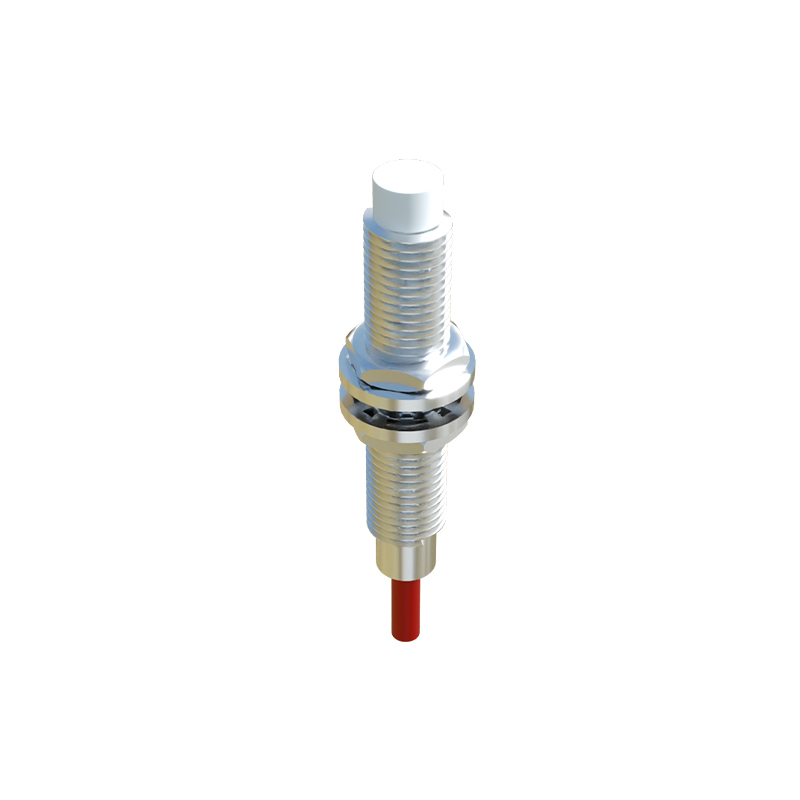
In consumer electronics, proximity sensors have become ubiquitous. Smartphones utilize them to disable touchscreens during calls, preventing accidental inputs, while automatic faucets and soap dispensers in public restrooms rely on them for hygiene and water conservation. The advent of the Internet of Things (IoT) and Industry 4.0 has further amplified their role. Modern proximity sensors are now equipped with digital interfaces (e.g., IO-Link) that facilitate real-time data exchange, predictive maintenance, and seamless integration into networked control systems. This connectivity allows for remote monitoring and diagnostics, reducing downtime and optimizing operational efficiency.
Selecting the appropriate proximity sensor demands careful consideration of several factors: the target material, required sensing distance, environmental conditions (such as temperature, humidity, and potential contaminants), and output type (e.g., NPN/PNP for DC sensors). Engineers must also account for installation constraints and electrical compatibility with existing control units. For harsh environments, sensors with high ingress protection (IP) ratings are essential to withstand dust, moisture, and mechanical stress.
Looking ahead, advancements in miniaturization and smart sensing are pushing boundaries. Micro-electromechanical systems (MEMS) technology is enabling smaller, more energy-efficient sensors, while innovations in artificial intelligence allow sensors to not only detect presence but also classify objects based on material or shape. These developments promise even greater precision and autonomy in applications ranging from collaborative robots (cobots) working alongside humans to autonomous vehicles navigating complex terrains.
In essence, proximity sensors are the foundational eyes of automated systems, bridging the physical and digital worlds. Their continuous evolution drives progress across industries, making processes safer, more efficient, and intelligently responsive. As automation deepens, these unassuming components will remain at the forefront, enabling smarter interactions between machines and their environments.