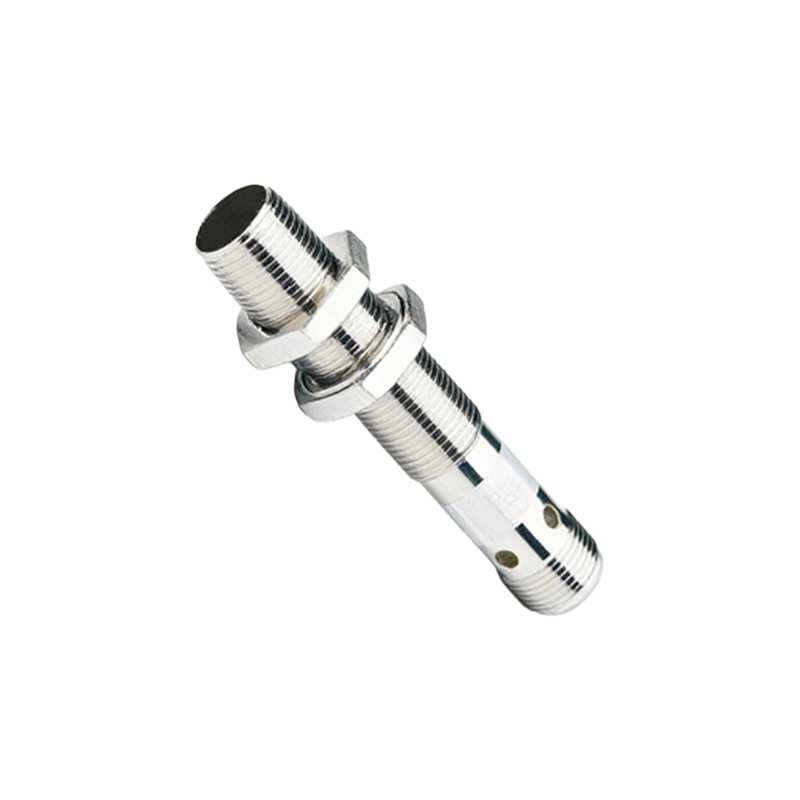
In the realm of modern electrical engineering, proximity sensors have emerged as a pivotal technology for automating and optimizing lighting control systems. These sensors, which detect the presence or absence of objects without physical contact, are widely employed in residential, commercial, and industrial settings to enhance energy efficiency, safety, and user convenience. By leveraging principles such as electromagnetic fields, infrared radiation, or ultrasonic waves, proximity sensors can trigger lighting adjustments based on human movement or environmental changes, thereby revolutionizing how we interact with illuminated spaces.
The core mechanism involves a proximity sensor continuously monitoring a designated area. When an object, typically a person, enters the sensor's detection range, it sends an electrical signal to a connected control unit. This unit then activates the lighting fixtures, ensuring immediate illumination. Conversely, once the area is vacated and no motion is detected after a preset delay, the sensor signals the control unit to turn off the lights, minimizing unnecessary energy consumption. This automated process eliminates reliance on manual switches, reducing human error and promoting sustainable practices.
Various types of proximity sensors are utilized in lighting control, each with distinct advantages. Inductive sensors, ideal for industrial environments, detect metallic objects and are often used in machinery lighting for safety. Capacitive sensors can sense non-metallic materials like human bodies, making them suitable for restrooms or smart homes. Infrared (IR) sensors, common in occupancy-based systems, respond to heat emissions from people, while ultrasonic sensors use sound waves to detect movement, even in challenging conditions like dust-filled areas. The selection depends on factors such as detection range, environmental interference, and cost-effectiveness.
Integration with advanced control systems further amplifies the benefits. Proximity sensors can be linked to programmable logic controllers (PLCs) or building management systems (BMS), allowing for sophisticated scenarios like dimming lights based on ambient daylight or scheduling operations for peak efficiency. In smart buildings, these sensors contribute to IoT networks, enabling real-time data analytics and remote monitoring. For instance, in office spaces, lights can automatically adjust brightness when employees approach their desks, fostering a productive and comfortable atmosphere while cutting electricity bills by up to 30-50%.
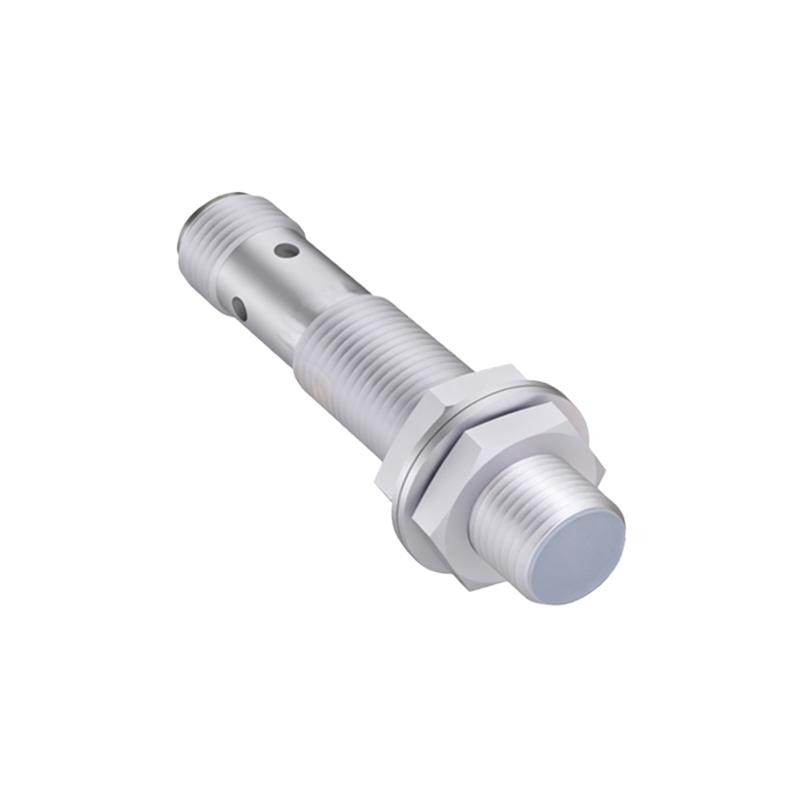
From an engineering perspective, implementing proximity sensor-based lighting requires careful calibration. Key considerations include sensor placement to avoid false triggers, adjusting sensitivity thresholds, and ensuring compatibility with existing electrical infrastructure. Regular maintenance, such as cleaning lens surfaces and checking wiring connections, is essential to sustain performance. Moreover, adherence to industry standards like IEC 60947 for sensor safety and IEEE protocols for interoperability ensures reliability and scalability in diverse applications.
In conclusion, proximity sensors represent a transformative tool in electrical engineering for lighting control. By automating responses to human presence, they not only conserve energy but also enhance operational safety and user experience. As technology evolves, innovations like AI-powered sensors and wireless integration promise even greater efficiencies, solidifying their role in the future of intelligent lighting solutions.